
Introduction
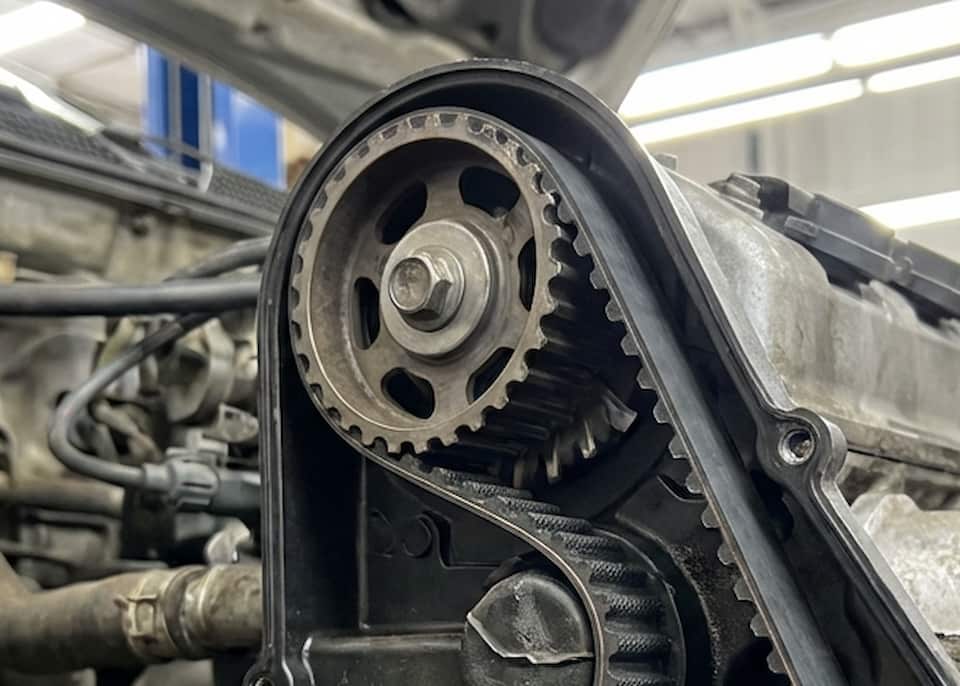
The timing belt is one of the most important parts of many engines, yet it is easy for drivers to forget about it because it is usually hidden behind covers. Unlike tyres or brake pads, you cannot easily see its condition during everyday driving.
The timing belt keeps key engine parts moving in the correct sequence. If it fails, the engine can stop suddenly and, in some vehicles, suffer serious internal damage. That is why timing belt replacement should be planned according to the manufacturer’s schedule rather than waiting for warning signs.
For Newcastle drivers using their vehicles for commuting, family transport, work, or weekend travel, timing belt failure can be inconvenient and costly.
What the Timing Belt Does
The timing belt synchronises the crankshaft and camshaft so the engine’s valves and pistons move at the correct time.
If the belt slips, stretches, cracks, or breaks, the engine timing can be affected. In some engines, this can cause internal parts to collide.
Because the timing belt plays such a critical role, it is treated as a scheduled maintenance item.
Why Timing Belts Wear Out
Timing belts are usually made from reinforced rubber. Over time, heat, age, tension, oil contamination, and normal engine operation can cause the belt to weaken.
Even if a car has low kilometres, the belt can still age. This is why service schedules often include both time and kilometre intervals.
Ignoring the time interval can be risky, especially if the car is older or its service history is unclear.
Warning Signs Are Not Always Obvious
A timing belt may not show clear symptoms before it fails. Some drivers may notice ticking noises, rough running, misfires, difficulty starting, or oil leaks near the timing cover, but many failures happen without much warning.
This is why waiting for symptoms is not recommended.
Checking the service history is usually the best way to know whether replacement is due.
Why Failure Can Be Expensive
If the timing belt breaks, the engine may stop immediately. In interference engines, valves and pistons can collide, causing major damage.
This can turn a routine maintenance job into a much larger repair.
Preventive replacement is usually far less stressful than dealing with sudden failure.
Related Parts May Need Attention
Timing belt replacement may involve checking or replacing related components such as tensioners, idler pulleys, seals, and the water pump, depending on the vehicle.
Replacing related parts at the same time can help reduce the chance of future labour costs if those parts fail later.
The correct approach depends on the vehicle make, model, engine type, and service schedule.
Buying a Used Car With Unknown History
If you buy a used car and there is no clear record of timing belt replacement, it is worth checking immediately.
A missing service record does not mean the belt has failed, but it does create uncertainty. Drivers should not rely on guesswork when the timing belt interval is unknown.
When to Book Replacement
Drivers should check the logbook, owner’s manual, or service records to confirm the timing belt interval.
If the vehicle is due or overdue, booking Timing Belt Replacement Newcastle can help ensure the belt is replaced before failure becomes a risk.
How to Stay on Schedule
Keep service records, ask about timing belt history when buying a used car, follow manufacturer intervals, and do not delay replacement once the vehicle is due.
If oil leaks are found near the timing belt area, they should also be checked because oil contamination can affect belt condition.
FAQs
Can I see if my timing belt is worn?
Usually not easily. The belt is often hidden behind covers, so inspection may require mechanical access.
What happens if a timing belt breaks?
The engine may stop suddenly. In some engines, internal damage can occur.
Should timing belts be replaced by kilometres or age?
Both matter. Follow the manufacturer’s recommended time and kilometre interval.
Is a timing belt the same as a timing chain?
No. Some vehicles use timing belts, while others use chains. They have different maintenance requirements.
Conclusion
Timing belt replacement should be treated as planned maintenance, not an emergency repair. Because warning signs may be limited, the service schedule is the safest guide.
Replacing the timing belt on time can help Newcastle drivers avoid unexpected breakdowns and serious engine damage.
