
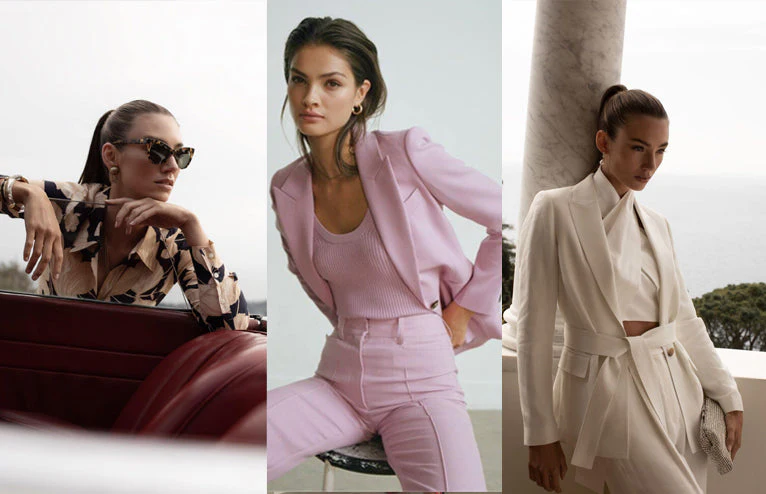
Fashion is more than clothing—it reflects personality, confidence, and lifestyle. One of the biggest questions shoppers face is whether luxury fashion brands are truly worth their premium prices or if affordable fashion brands offer similar value without draining the budget. While luxury labels promise exceptional craftsmanship, exclusivity, and prestige, affordable brands focus on accessibility, trendy designs, and value for money.
The truth is that neither category is automatically better. The right choice depends on your priorities, shopping habits, lifestyle, and long-term goals. Some shoppers appreciate timeless investment pieces that last decades, while others prefer refreshing their wardrobes with seasonal trends.
This guide compares luxury and affordable fashion brands in terms of quality, style, durability, pricing, sustainability, resale value, and overall worth to help you make smarter purchasing decisions.
Understanding Luxury Fashion Brands
Luxury fashion brands represent premium craftsmanship, heritage, and exclusivity. These companies often use superior materials, skilled artisans, and meticulous production processes that contribute to higher prices.
Luxury brands usually release limited collections, maintain strict quality standards, and build a strong identity around prestige and timeless design. Many have histories spanning decades or even centuries, making their products symbols of status and elegance.
Luxury fashion typically includes:
- Designer handbags
- Premium leather shoes
- Tailored suits
- High-end dresses
- Luxury watches
- Fine accessories
- Premium outerwear
These items are often designed to remain stylish for years instead of following short-lived trends.
Understanding Affordable Fashion Brands
Affordable fashion brands aim to provide stylish clothing at prices that fit everyday budgets. Advances in manufacturing and global supply chains allow these companies to produce fashionable clothing quickly and efficiently.
Affordable fashion has become increasingly sophisticated. Many brands now offer impressive quality considering their price point, making stylish wardrobes accessible to millions of consumers.
Affordable fashion commonly includes:
- Everyday basics
- Casual wear
- Office clothing
- Seasonal collections
- Budget-friendly footwear
- Accessories
- Trend-driven styles
While prices remain low, quality can vary significantly between brands.
Comparing Material Quality
Material quality is often the biggest difference between luxury and affordable fashion.
Luxury brands frequently use premium fabrics such as:
- Full-grain leather
- Cashmere
- Silk
- Merino wool
- Egyptian cotton
- High-quality linen
These materials feel better, age gracefully, and usually withstand years of use when properly maintained.
Affordable brands typically rely on:
- Cotton blends
- Polyester
- Acrylic
- Synthetic leather
- Rayon
- Standard denim
Modern synthetic fabrics have improved considerably, but they often cannot match the comfort, breathability, or lifespan of premium natural materials.
Construction and Craftsmanship
Luxury garments receive extensive attention during production.
Features often include:
- Reinforced stitching
- Hand-finished details
- Strong seams
- High-quality zippers
- Premium buttons
- Careful pattern alignment
Each piece may undergo multiple quality inspections before reaching stores.
Affordable clothing generally uses automated manufacturing processes that prioritize efficiency. While many pieces are well-made, production speed sometimes leads to loose threads, uneven stitching, or lower-quality hardware.
This difference becomes more noticeable after repeated washing and regular wear.
Design Philosophy
Luxury fashion focuses on timeless elegance.
Many luxury collections emphasize:
- Clean silhouettes
- Classic colors
- Minimal branding
- Tailored fits
- Long-lasting appeal
These pieces often remain fashionable for years, making them versatile wardrobe investments.
Affordable fashion emphasizes current trends.
Brands quickly introduce:
- Trending colors
- Seasonal prints
- Celebrity-inspired styles
- Social media trends
- Fast-changing collections
This approach allows consumers to experiment without spending large amounts.
Price Comparison
The pricing gap between luxury and affordable fashion is substantial.
Affordable clothing may cost:
- T-shirts: $10–40
- Jeans: $30–100
- Sneakers: $40–150
- Jackets: $60–250
Luxury alternatives may range from:
- T-shirts: $200–700
- Jeans: $300–1,000
- Sneakers: $500–1,500
- Jackets: $1,000–5,000+
The price difference reflects not only production costs but also branding, marketing, exclusivity, and retail experience.
Durability and Longevity
Luxury fashion often lasts much longer.
A well-made leather handbag, wool coat, or tailored blazer can remain in excellent condition for decades with proper care.
Affordable clothing generally has a shorter lifespan due to:
- Lighter fabrics
- Lower-grade hardware
- Mass production
- Frequent washing damage
However, this doesn’t mean affordable clothing is disposable. Many mid-range brands produce garments that last several years when maintained properly.
Cost Per Wear
One useful way to judge value is cost per wear.
Imagine buying:
Luxury coat:
- Price: $1,200
- Worn 400 times
- Cost per wear: $3
Affordable coat:
- Price: $150
- Worn 40 times
- Cost per wear: $3.75
Although the luxury coat costs much more initially, frequent use may make it a better long-term investment.
This calculation varies depending on how often you wear each item.
Style Versatility
Luxury brands usually prioritize timeless styling that pairs easily with existing wardrobes.
Examples include:
- Neutral coats
- Leather loafers
- White shirts
- Tailored trousers
- Black handbags
Affordable brands often introduce statement pieces that may lose popularity after one or two seasons.
If you enjoy experimenting with trends, affordable fashion provides greater flexibility.
Brand Prestige
Luxury fashion offers something beyond physical products.
Many consumers value:
- Heritage
- Exclusivity
- Prestige
- Designer recognition
- Craftsmanship reputation
Owning luxury items may provide emotional satisfaction that affordable brands cannot replicate.
However, prestige alone should never justify spending beyond your financial comfort.
Sustainability
Luxury brands increasingly promote responsible manufacturing.
Some invest in:
- Ethical sourcing
- Artisan craftsmanship
- Repair services
- Longer-lasting products
- Lower production volumes
Affordable fashion has historically been criticized for fast-fashion practices, including excessive waste and overproduction.
Fortunately, many budget-friendly brands now offer:
- Organic cotton
- Recycled materials
- Clothing recycling programs
- More transparent supply chains
Consumers should evaluate each brand individually rather than assuming all luxury brands are sustainable or all affordable brands are not.
Resale Value
Luxury fashion generally performs much better in the resale market.
Well-maintained designer handbags, watches, and limited-edition sneakers may retain significant value or even appreciate over time.
Affordable clothing rarely has meaningful resale value unless it becomes collectible or extremely limited.
If resale potential matters, luxury purchases often provide greater financial flexibility.
Maintenance Costs
Luxury items usually require extra care.
Examples include:
- Professional dry cleaning
- Leather conditioning
- Specialized storage
- Professional repairs
These maintenance expenses add to overall ownership costs.
Affordable clothing is generally easier and less expensive to maintain, often being machine washable and inexpensive to replace.
Shopping Experience
Luxury shopping often includes premium customer service.
Benefits may include:
- Personal styling assistance
- Elegant store environments
- Beautiful packaging
- Extended consultations
- Exclusive events
Affordable retailers prioritize convenience, offering:
- Frequent promotions
- Online shopping
- Large inventories
- Quick availability
- Budget-friendly pricing
The overall experience differs significantly depending on customer expectations.
Best Situations for Buying Luxury
Luxury purchases make sense when buying items you expect to use for many years.
Ideal investments include:
- Leather handbags
- Winter coats
- Tailored suits
- Quality shoes
- Watches
- Formal accessories
These pieces often justify higher prices because they remain relevant and durable over time.
Best Situations for Buying Affordable Fashion
Affordable fashion is an excellent choice for:
- Seasonal trends
- Vacation clothing
- Workout wear
- Children’s clothing
- Experimenting with styles
- Casual basics
- College wardrobes
Since fashion trends change rapidly, spending less on trendy pieces often makes financial sense.
Building a Smart Wardrobe
Many style experts recommend combining both categories rather than choosing only one.
A balanced wardrobe may include:
Luxury investments:
- Leather boots
- Wool coat
- Handbag
- Suit
- Belt
Affordable purchases:
- T-shirts
- Jeans
- Sweaters
- Seasonal tops
- Fashion accessories
This approach maximizes value while keeping your wardrobe current.
Common Myths
Luxury always means better quality
Not necessarily. Some luxury products rely heavily on branding, and their quality may not justify the premium price.
Affordable clothing never lasts
False. Many budget-friendly brands now produce durable clothing with excellent construction.
Luxury fashion is only about status
Many buyers choose luxury for craftsmanship, durability, and timeless design rather than prestige alone.
Expensive clothes guarantee better style
Style depends more on fit, coordination, confidence, and personal taste than on price tags.
How to Decide Which Is Right for You
Ask yourself several questions before making a purchase.
Do you want:
- Long-lasting investment pieces?
- The latest fashion trends?
- Budget-friendly shopping?
- Better resale value?
- Premium materials?
- Frequent wardrobe updates?
Your answers will help determine whether luxury or affordable fashion better fits your lifestyle.
If your budget is limited, prioritize quality over brand names. A well-made affordable jacket can outperform an overpriced designer piece that offers little beyond its logo.
Tips for Shopping Smarter
Regardless of price range, follow these practical tips:
- Check fabric composition before buying.
- Examine stitching and seams.
- Read customer reviews.
- Focus on timeless pieces first.
- Avoid impulse purchases.
- Buy fewer, higher-quality items whenever possible.
- Properly care for every garment.
- Compare cost per wear instead of purchase price alone.
- Wait for seasonal sales on premium items.
- Build a versatile wardrobe around neutral colors.
These habits improve value regardless of where you shop.
Frequently Asked Questions
Are luxury fashion brands worth the money?
They can be worthwhile if you value exceptional craftsmanship, premium materials, durability, and long-term use. However, not every luxury product justifies its price, so research before buying.
Can affordable fashion be high quality?
Yes. Many affordable brands now produce clothing with impressive quality, especially for wardrobe basics and everyday essentials.
Which lasts longer, luxury or affordable clothing?
In general, luxury garments last longer because they use higher-quality materials and construction techniques. Proper care also plays a major role in longevity.
Is luxury fashion a good investment?
Certain items, such as iconic handbags, watches, and limited-edition accessories, may retain or even increase in value. Most clothing, however, should be viewed as a personal purchase rather than a financial investment.
Should beginners buy luxury fashion?
Beginners often benefit more from building a strong wardrobe foundation with affordable, versatile pieces before investing in a few carefully chosen luxury items.
Final Thoughts
The debate between luxury and affordable fashion has no universal winner because value means different things to different people. Luxury brands often deliver superior craftsmanship, premium materials, timeless design, and stronger resale potential, making them excellent choices for long-term investment pieces. Affordable brands, on the other hand, offer accessibility, trend-focused collections, and remarkable value for shoppers who enjoy variety or need practical everyday clothing.
Rather than choosing one side exclusively, the smartest approach is to combine both. Invest in high-quality essentials you’ll wear for years, and rely on affordable fashion to experiment with trends and refresh your wardrobe without overspending. By focusing on quality, versatility, proper care, and thoughtful purchasing decisions, you can build a stylish wardrobe that fits your budget while delivering lasting satisfaction.
