
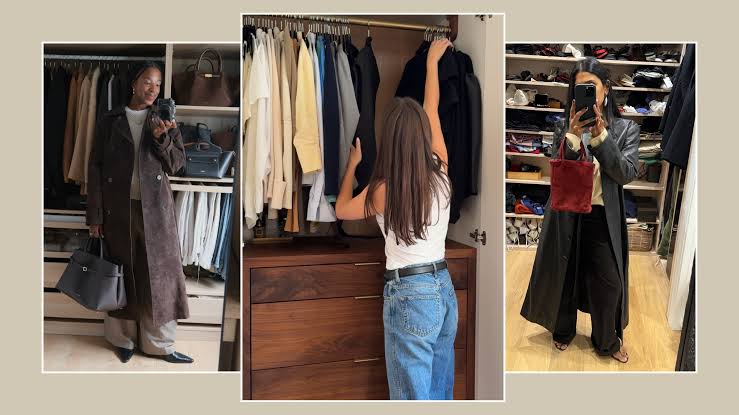
A full closet doesn’t always mean you have something to wear. Many people own dozens of outfits but still struggle every morning to decide what to put on. The reason is simple: too many items that don’t work well together create confusion rather than convenience. A capsule wardrobe solves this problem by focusing on quality, versatility, and personal style instead of quantity.
In 2026, capsule wardrobes continue to grow in popularity as people embrace smarter shopping habits, sustainable fashion, and minimalist living. Whether you’re a student, working professional, stay-at-home parent, or someone who simply wants to simplify daily life, building a capsule wardrobe can save money, reduce stress, and help you feel more confident.
What Is a Capsule Wardrobe?
A capsule wardrobe is a carefully selected collection of clothing that mixes and matches effortlessly. Instead of filling your closet with trendy items you’ll only wear once, you invest in timeless pieces that can create dozens of outfits.
Most capsule wardrobes contain between 30 and 50 clothing items, excluding underwear, sleepwear, gym clothes, and special occasion outfits. However, there are no strict rules. The ideal number depends on your lifestyle, work requirements, and personal preferences.
The goal isn’t owning fewer clothes just for the sake of minimalism. It’s about owning the right clothes that you genuinely enjoy wearing.
Why Capsule Wardrobes Are More Popular Than Ever
Fashion trends come and go, but practicality never goes out of style. Rising clothing costs, growing environmental awareness, and busy lifestyles have encouraged people to rethink their shopping habits.
A capsule wardrobe offers several advantages:
- Saves money by reducing impulse purchases
- Makes getting dressed quicker
- Keeps closets organized
- Encourages thoughtful shopping
- Reduces fashion waste
- Helps define your personal style
- Makes packing for travel much easier
Instead of chasing every new trend, you build a wardrobe that works for your everyday life.
Step 1: Empty and Evaluate Your Closet
Before buying anything new, take inventory of what you already own.
Remove every clothing item from your wardrobe and separate them into categories such as:
- Tops
- Pants
- Jeans
- Dresses
- Jackets
- Sweaters
- Shoes
- Accessories
Now ask yourself a few simple questions for each item:
- Have I worn this during the last year?
- Does it fit comfortably?
- Is it still in good condition?
- Does it match several other pieces?
- Does it reflect my current style?
Donate, sell, or recycle anything that no longer serves you.
Many people discover they already own the foundation of a great capsule wardrobe.
Step 2: Define Your Personal Style
A successful capsule wardrobe reflects your lifestyle rather than fashion influencers.
Think about your weekly routine.
Do you spend most days:
- Working in an office?
- Working remotely?
- Attending university?
- Caring for children?
- Traveling frequently?
- Going to formal events?
Your clothing should match your daily activities.
Look for inspiration online, create a mood board, or save outfit photos you naturally gravitate toward. Over time, patterns begin to appear. Maybe you prefer neutral colors, classic tailoring, relaxed casual wear, or modern minimalist fashion.
Your wardrobe should feel like you.
Step 3: Choose a Color Palette
One reason capsule wardrobes work so well is color coordination.
Start with neutral base colors such as:
- Black
- White
- Gray
- Navy
- Beige
- Brown
- Olive
Then select two or three accent colors you enjoy wearing.
Examples include:
- Burgundy
- Forest green
- Soft blue
- Mustard
- Dusty pink
- Rust
When most of your clothing shares a coordinated palette, nearly everything pairs together naturally.
Step 4: Invest in Quality Basics
Basics form the backbone of every capsule wardrobe.
Focus on timeless essentials like:
Tops
- Plain white T-shirts
- Black T-shirts
- Neutral long-sleeve shirts
- Oxford button-down shirts
- Lightweight knit tops
Bottoms
- Dark jeans
- Straight-leg jeans
- Tailored trousers
- Black pants
- Neutral shorts
Outerwear
- Denim jacket
- Lightweight blazer
- Trench coat
- Wool coat
- Everyday casual jacket
Dresses
If dresses suit your lifestyle, choose simple styles that can be dressed up or down.
Shoes
A practical collection may include:
- White sneakers
- Comfortable flats
- Ankle boots
- Dress shoes
- Sandals
Prioritize comfort because uncomfortable shoes rarely get worn.
Step 5: Build Around Every Season
A capsule wardrobe doesn’t mean wearing the same outfit all year.
Instead, keep a core collection and rotate seasonal pieces.
Spring
Spring calls for lightweight layers.
Include:
- Cardigans
- Light jackets
- Long-sleeve shirts
- Loafers
- Midi skirts
- Lightweight dresses
Summer
Choose breathable fabrics such as cotton and linen.
Essentials include:
- Shorts
- Tank tops
- Linen shirts
- Sandals
- Lightweight dresses
- Breathable sneakers
Autumn
Layering becomes important.
Add:
- Sweaters
- Denim jackets
- Boots
- Scarves
- Long pants
- Corduroy pieces
Winter
Focus on warmth without sacrificing versatility.
Include:
- Wool coats
- Thick knit sweaters
- Thermal layers
- Waterproof boots
- Gloves
- Warm scarves
Store off-season clothing to keep your wardrobe organized.
Step 6: Shop Intentionally
One of the biggest mindset changes is learning to shop with purpose.
Before purchasing anything, ask:
- Can I wear this at least 30 times?
- Does it work with five or more items I already own?
- Is it replacing something worn out?
- Is it comfortable?
- Will I still like it next year?
If the answer is no, leave it behind.
This simple habit dramatically reduces unnecessary purchases.
Building a Capsule Wardrobe on a Budget
A stylish wardrobe doesn’t require luxury brands.
Here’s how to save money:
Buy Second-Hand
Thrift stores, resale websites, and vintage shops often carry high-quality clothing at affordable prices.
Shop During Sales
Purchase winter coats at the end of winter and summer clothing after summer ends.
Planning ahead saves significant money.
Focus on Cost Per Wear
A $100 jacket worn 200 times costs less per use than a $20 trendy shirt worn twice.
Quality often proves cheaper over time.
Repair Instead of Replace
Simple sewing skills can extend the life of your clothing.
Replacing buttons, fixing hems, or repairing small tears costs far less than buying new garments.
Fabrics Worth Investing In
Material quality affects comfort, durability, and appearance.
Some excellent choices include:
Cotton
Breathable, comfortable, and suitable for everyday wear.
Linen
Perfect for warmer climates because it stays cool and lightweight.
Wool
Excellent insulation during colder months.
Cashmere
Soft, luxurious, and long-lasting when properly maintained.
Denim
Durable and timeless for casual wardrobes.
Leather
Ideal for shoes, belts, and jackets that improve with age.
Avoid extremely cheap synthetic fabrics that lose shape after only a few washes.
Capsule Wardrobe Essentials for Women
While personal preferences vary, many women benefit from owning:
- White T-shirt
- Black T-shirt
- Neutral blouse
- Dark jeans
- Black trousers
- Midi skirt
- Little black dress
- Denim jacket
- Blazer
- Cardigan
- Wool coat
- White sneakers
- Ballet flats
- Ankle boots
- Crossbody bag
- Structured handbag
- Neutral belt
These pieces create dozens of combinations.
Capsule Wardrobe Essentials for Men
A practical men’s wardrobe often includes:
- White crew-neck T-shirts
- Black T-shirts
- Polo shirts
- Oxford shirts
- Chinos
- Dark denim jeans
- Tailored trousers
- Navy blazer
- Casual jacket
- Wool coat
- Crew-neck sweaters
- White sneakers
- Leather loafers
- Chelsea boots
- Brown belt
- Black belt
Classic clothing remains fashionable year after year.
Accessories That Make Every Outfit Better
Accessories add personality without overcrowding your closet.
Useful additions include:
- Quality watch
- Sunglasses
- Leather belt
- Silk scarf
- Simple jewelry
- Structured handbag
- Neutral backpack
- Tote bag
Choose accessories that complement multiple outfits.
Common Capsule Wardrobe Mistakes
Many beginners make similar mistakes when creating their first capsule wardrobe.
Buying Everything at Once
Replacing your entire closet immediately is expensive and unnecessary.
Build gradually over several months.
Choosing Trends Over Basics
Fashion trends disappear quickly.
Timeless clothing stays relevant much longer.
Ignoring Your Lifestyle
A wardrobe filled with office clothes won’t help if you work from home.
Always prioritize how you actually live.
Keeping Clothes Out of Guilt
Expensive items that never get worn still create clutter.
If something doesn’t fit your life anymore, let it go.
Sacrificing Personality
Minimal doesn’t have to mean boring.
Include colors, textures, and accessories that express your individuality.
How to Keep Your Capsule Wardrobe Organized
Organization helps your wardrobe stay functional.
Some useful habits include:
- Fold sweaters instead of hanging them.
- Hang shirts by category.
- Store shoes neatly on shelves.
- Rotate seasonal clothing.
- Donate items you haven’t worn in a year.
- Wash garments according to care instructions.
- Repair damaged pieces promptly.
Regular maintenance prevents clutter from returning.
Sample Capsule Wardrobe Checklist
Here is an example of a balanced wardrobe suitable for many lifestyles:
- 6 T-shirts
- 4 button-down shirts or blouses
- 4 sweaters
- 2 cardigans
- 2 jackets
- 1 winter coat
- 3 jeans
- 2 trousers
- 2 skirts or shorts
- 2 dresses (optional)
- 5 pairs of shoes
- 3 bags
- Several accessories
Adjust the numbers according to your needs rather than following someone else’s rules.
Sustainability Benefits
The fashion industry produces enormous amounts of textile waste every year.
A capsule wardrobe supports sustainability by encouraging:
- Buying fewer garments
- Choosing better quality
- Extending clothing lifespan
- Repairing instead of replacing
- Supporting second-hand shopping
- Reducing impulse buying
Even small changes can make a meaningful difference over time.
Is a Capsule Wardrobe Right for Everyone?
A capsule wardrobe isn’t about strict limitations. It’s about making your wardrobe work better for you.
Some people enjoy owning 25 pieces, while others feel comfortable with 60. Parents, athletes, professionals, and creatives all have different clothing needs.
The key is intentional ownership rather than arbitrary numbers.
If your current wardrobe feels overwhelming, disorganized, or expensive to maintain, adopting capsule wardrobe principles can significantly improve your daily routine.
Final Thoughts
Building a capsule wardrobe in 2026 is less about following rigid fashion rules and more about creating a closet that fits your lifestyle, budget, and personality. By focusing on versatile essentials, quality fabrics, and thoughtful shopping habits, you can enjoy a wardrobe that offers endless outfit possibilities without overflowing shelves.
Start by evaluating what you already own, identify the pieces you truly love, and gradually fill any gaps with timeless essentials. There’s no need to rush or spend a fortune. Over time, your collection will become more cohesive, easier to manage, and better suited to your everyday life.
A carefully planned capsule wardrobe proves that style isn’t measured by the number of clothes you own. It’s reflected in how confidently and comfortably you wear the pieces that truly belong in your closet.
