
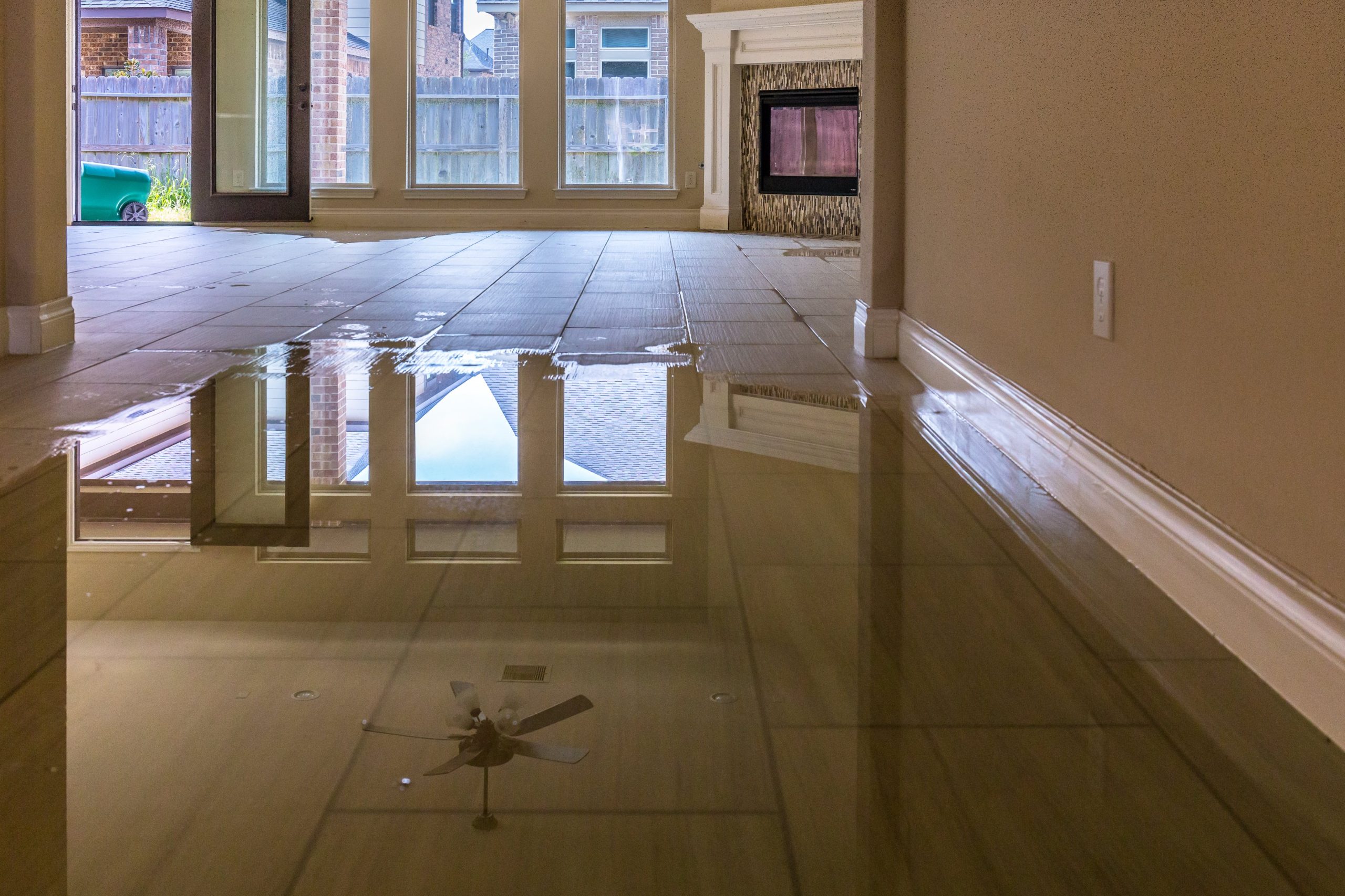
Water damage can happen when you least expect it. A burst pipe, overflowing washing machine, roof leak, heavy rainfall, or flash flood can quickly turn a comfortable home into a stressful situation. What starts as a small leak can spread behind walls, under flooring, and into insulation, causing structural damage and creating the perfect environment for mold growth.
The good news is that quick action can significantly reduce the extent of the damage and lower restoration costs. Understanding what to do immediately after discovering water damage can protect your home, belongings, and health.
This guide explains everything homeowners need to know about water damage restoration, including emergency response steps, repair costs, insurance claims, mold prevention, and answers to common questions.
Understanding Water Damage
Water damage occurs when unwanted water enters a building and affects its structure, finishes, or contents. The severity depends on the amount of water, how long it remains, and whether the water is clean or contaminated.
Common causes include:
- Burst or leaking pipes
- Roof leaks
- Appliance failures
- Overflowing toilets or sinks
- HVAC system leaks
- Heavy storms
- Basement flooding
- Sewer backups
- Foundation cracks
- Poor drainage around the home
Even a slow leak can cause serious problems if it goes unnoticed for weeks or months.
Categories of Water Damage
Restoration professionals classify water into three categories.
Category 1: Clean Water
This water comes from relatively clean sources such as:
- Broken water supply lines
- Rainwater entering through a roof
- Overflowing sinks without contamination
Although considered clean initially, it can become contaminated if left standing.
Category 2: Gray Water
Gray water contains contaminants that may cause illness.
Examples include:
- Washing machine discharge
- Dishwasher leaks
- Toilet overflow without solid waste
Protective equipment is recommended when cleaning gray water.
Category 3: Black Water
Black water is highly contaminated and dangerous.
Common sources include:
- Sewage backups
- Floodwater from rivers
- Storm surges
- Standing water with bacteria
Professional restoration is essential for black water damage.
Emergency Steps After Discovering Water Damage
The first few hours are the most important during any water damage emergency.
1. Ensure Everyone’s Safety
If flooding is extensive:
- Turn off electricity if it is safe to do so.
- Avoid walking through standing water near electrical outlets.
- Shut off gas if you suspect damage.
- Evacuate if structural damage is visible.
Never enter floodwater that may contain electrical hazards.
2. Stop the Water Source
If possible, stop additional water from entering the property.
Examples include:
- Closing the main water valve
- Repairing a burst pipe temporarily
- Covering a roof leak with a tarp
- Turning off leaking appliances
Stopping the source prevents further damage.
3. Document Everything
Before cleanup begins:
Take photographs of:
- Damaged rooms
- Furniture
- Flooring
- Walls
- Ceilings
- Appliances
- Personal belongings
Record videos if possible.
This documentation is valuable when filing insurance claims.
4. Contact Your Insurance Company
Notify your insurance provider immediately.
Many insurers require prompt reporting and may recommend approved restoration companies.
Keep all receipts for emergency repairs.
5. Remove Standing Water
The longer water sits, the greater the damage.
Use:
- Wet vacuums
- Pumps
- Buckets
- Mops
For severe flooding, professional extraction equipment is usually required.
6. Begin Drying the Property
Open windows if weather permits.
Use:
- Fans
- Dehumidifiers
- Air movers
Drying should begin within 24 hours whenever possible.
7. Remove Wet Items
Take out:
- Rugs
- Carpets
- Upholstered furniture
- Wet clothing
- Books
- Electronics
Move salvageable belongings to a dry area.
Why Immediate Restoration Matters
Waiting too long can lead to additional problems.
Delayed restoration may cause:
- Mold growth
- Rotting wood
- Drywall deterioration
- Foundation damage
- Warped flooring
- Electrical hazards
- Insulation failure
- Unpleasant odors
In many cases, restoring water damage within the first 24 to 48 hours significantly reduces repair expenses.
The Water Damage Restoration Process
Professional restoration companies follow a structured process.
Inspection
Technicians inspect the entire property using:
- Moisture meters
- Thermal imaging cameras
- Hygrometers
Hidden moisture behind walls and floors is identified.
Water Extraction
Industrial pumps remove standing water quickly.
Powerful extraction equipment speeds up the drying process.
Drying and Dehumidification
High-capacity air movers circulate air while commercial dehumidifiers remove moisture from the building.
Drying may take several days depending on:
- Water volume
- Humidity
- Temperature
- Building materials
Cleaning and Sanitizing
Surfaces are cleaned using antimicrobial products.
Contents may also be cleaned and deodorized.
Mold Prevention
Antimicrobial treatments reduce the chance of mold growth.
Professionals monitor moisture until materials reach safe levels.
Repairs and Reconstruction
Depending on damage, repairs may include:
- Drywall replacement
- Flooring installation
- Painting
- Cabinet repairs
- Ceiling restoration
- Trim replacement
- Structural repairs
Some restoration companies also provide complete rebuilding services.
Average Water Damage Repair Costs
Repair costs vary based on the extent of damage and the affected materials.
Small leak repairs with minimal restoration may cost between $300 and $1,500.
Moderate water damage involving drywall, flooring, and drying often ranges from $2,000 to $7,000.
Major flooding requiring demolition, mold treatment, and reconstruction can exceed $10,000 to $30,000 or more.
Several factors influence pricing:
- Size of affected area
- Type of water contamination
- Structural damage
- Mold growth
- Material replacement
- Emergency service fees
- Geographic location
- Labor rates
Acting quickly often results in lower restoration costs.
Does Homeowners Insurance Cover Water Damage?
Insurance coverage depends on the source of the water.
Usually Covered
Most policies cover sudden and accidental water damage caused by:
- Burst pipes
- Appliance failures
- Accidental plumbing leaks
- Water heater failures
Coverage generally includes repairs to damaged portions of the home and sometimes personal belongings.
Usually Not Covered
Many policies exclude:
- Flood damage
- Gradual leaks
- Poor maintenance
- Groundwater seepage
- Mold resulting from neglected repairs
Flood damage usually requires separate flood insurance.
Always review your policy carefully.
Tips for Filing a Successful Insurance Claim
A well-prepared claim can speed up reimbursement.
Follow these recommendations:
- Report damage immediately.
- Take clear photographs.
- Keep damaged items until instructed otherwise.
- Save all receipts.
- Record conversations with adjusters.
- Create a list of damaged belongings.
- Request copies of inspection reports.
Professional restoration companies often assist homeowners during the claims process.
Mold Prevention After Water Damage
Mold can begin growing surprisingly fast in damp environments.
Prevention is much easier and less expensive than mold removal.
Remove Moisture Quickly
Complete drying should begin immediately after water removal.
Professional drying equipment reaches hidden moisture inside walls and floors.
Keep Humidity Low
Indoor humidity should remain below 50%.
Use dehumidifiers until the building is completely dry.
Remove Unsalvageable Materials
Items that cannot be thoroughly dried should be discarded.
Examples include:
- Wet insulation
- Severely damaged drywall
- Saturated carpeting
- Water-damaged ceiling tiles
Improve Ventilation
Increase airflow by opening windows and using fans whenever weather conditions allow.
Bathrooms, kitchens, and basements should have proper ventilation.
Inspect Hidden Areas
Moisture often remains behind:
- Cabinets
- Baseboards
- Drywall
- Flooring
- Crawl spaces
Professional moisture testing ensures complete drying.
Signs That Mold May Already Be Growing
Watch for these warning signs after water damage:
- Musty odors
- Black or green spots on walls
- Peeling paint
- Persistent dampness
- Allergy symptoms indoors
- Visible discoloration around baseboards
Early mold remediation prevents larger problems.
Can You Handle Water Damage Yourself?
Minor water damage from a small clean-water leak may be manageable if addressed immediately.
DIY restoration is generally suitable when:
- Water affects a small area.
- Clean water is involved.
- No structural damage exists.
- Drying can begin immediately.
Professional restoration is recommended when:
- Floodwater enters the home.
- Sewage contamination exists.
- Multiple rooms are affected.
- Mold is visible.
- Water remains trapped inside walls.
- Hardwood floors have buckled.
- Ceilings sag.
- Electrical systems may be compromised.
Professional equipment removes moisture far more effectively than household fans.
How to Prevent Future Water Damage
Preventive maintenance saves money over the long term.
Consider these strategies:
Inspect plumbing annually.
Replace aging water supply hoses.
Install leak detection devices.
Maintain gutters and downspouts.
Clean roof drains regularly.
Seal foundation cracks.
Ensure proper grading around the home.
Install a sump pump if your basement is prone to flooding.
Replace damaged roofing materials promptly.
Insulate exposed pipes during winter.
Regular inspections can identify small issues before they become expensive repairs.
Choosing a Water Damage Restoration Company
Hiring the right restoration company makes a major difference in both repair quality and recovery time.
Look for companies that offer:
- 24/7 emergency response
- Licensed and insured technicians
- Water extraction equipment
- Moisture detection technology
- Mold remediation services
- Insurance claim assistance
- Written estimates
- Positive customer reviews
- Experience with residential and commercial restoration
Ask whether the company guarantees its work and provides follow-up inspections.
Final Thoughts
Water damage can escalate rapidly, turning a simple leak into a major restoration project if left untreated. Responding quickly, removing water immediately, drying the affected areas thoroughly, and documenting the damage for insurance purposes can significantly reduce both repair costs and long-term complications.
Whether the issue involves a burst pipe, roof leak, appliance failure, or flooding, understanding the restoration process helps homeowners make informed decisions during a stressful time. Preventive maintenance, routine inspections, and prompt repairs remain the best defenses against future water damage, protecting both your property’s value and the health of everyone living inside.
