
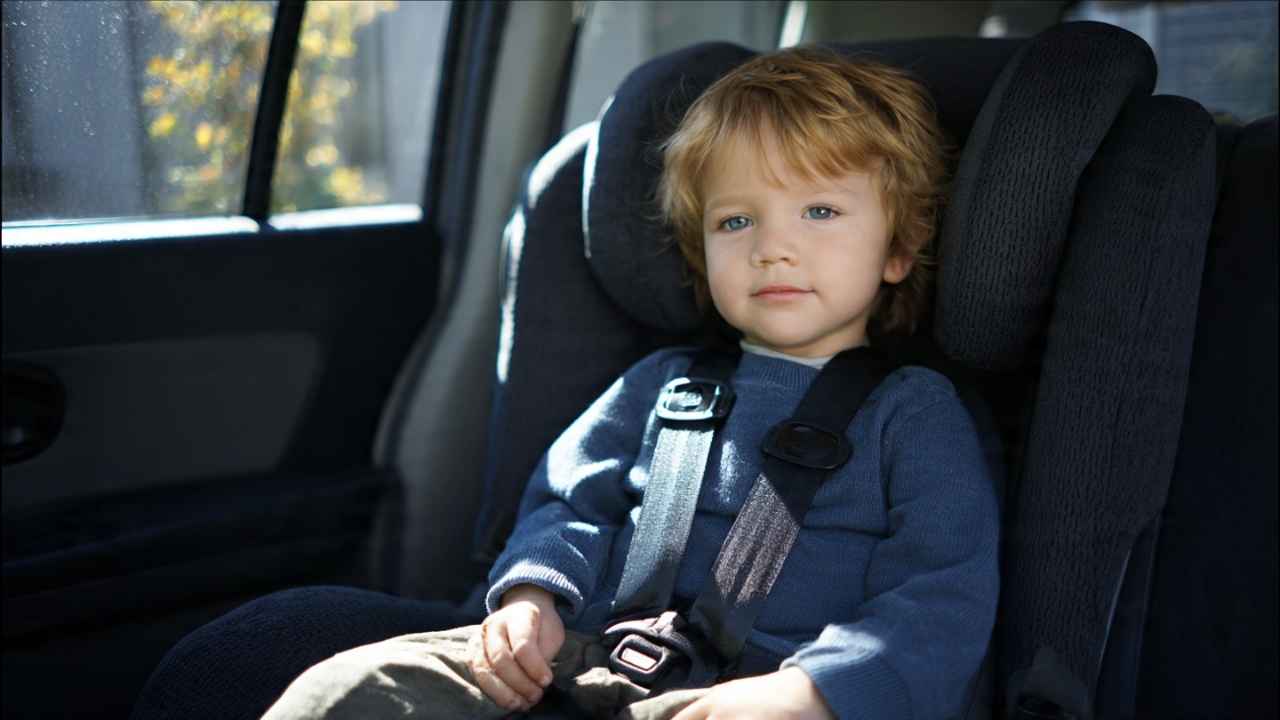
As a parent traveling across the vast landscapes of Texas, I’ve realized how crucial child passenger safety is during every road trip. Understanding Texas car seat laws ensures that your little ones stay protected in infant car seats, toddler car seats, and booster seat requirements. From rear-facing car seats for newborns to forward-facing car seats for older children, following child restraint system guidelines can prevent serious injuries and support car accident prevention.
I’ve personally seen how seat belt use by drivers influences child safety seat compliance, reflecting the strong link highlighted in NHTSA statistics. Ensuring proper seat belt fit, following weight and height limits, and checking seat installation or car seat manual instructions is vital for collision safety. Whether it’s belt-positioning booster seats, seat harness straps, or chest clip positioning, every detail matters. Staying informed about Texas traffic safety, vehicle safety laws, and child passenger laws not only avoids a misdemeanor fine but also guarantees maximum child protection during family road trips.
What Are the Texas Car Seat Laws?
If you’re a parent or caregiver in Texas, you know the heart-stopping fear of a fender-bender with a little one in the back seat. I’ve spent years ensuring my own kids were buckled in properly, and I can tell you Texas takes child passenger safety seriously. The law states that any child under eight years old must be secured in a car seat whenever they ride in a vehicle.
There’s one exception: if your child is taller than 4 feet 9 inches, they can use a standard seat belt, but I’ve always found it safer to keep them in a booster until the belt truly fits snugly. Violating these rules can lead to a misdemeanor charge with fines ranging from $25 to $250, and that’s not even counting the risk to your child.
Texas law isn’t just about compliance it’s about practical safety for real-world scenarios, from short school drop-offs to long road trips across the highways of Dallas and Austin.
Types of Car Seats and When to Transition
Rear-Facing
When my first child was born, the sheer weight of responsibility hit me the moment we strapped them into their rear-facing infant seat. These seats are not just a legal requirement — they protect a baby’s fragile neck, spine, and head in a crash.
Children should remain rear-facing until at least age two or until they reach the maximum height and weight limits set by the car seat manufacturer. This is crucial because even a small bump can cause serious injury if the child is in the wrong position. For families living in Houston or San Antonio, where city traffic can be unpredictable, I’ve seen rear-facing seats truly prevent injury in low-speed accidents.
Forward-Facing
Once your child outgrows the rear-facing limits, it’s time for a forward-facing harness seat. I remember adjusting the harness straps and chest clip for my toddler and realizing how precise it needed to be the clip must be armpit level, and the straps snug, without twists.
Texas law encourages this transition after age two or after the child exceeds rear-facing limits. My experience has taught me that patience is key rushing to a forward-facing seat too early reduces protection. For families traveling across the Texas Hill Country, a correctly installed forward-facing seat provides peace of mind on winding roads.
Booster Seats
The next step is a belt-positioning booster seat, which helps the standard seat belt fit safely across your child’s hips and shoulders. Most children in Texas remain in boosters until around 8–12 years old or 4 feet 9 inches tall.
I’ve learned through trial and error that booster seats are not just for comfort they prevent serious abdominal injuries in a collision. When I guided my kids in the booster, I ensured the lap belt rested snugly across the hips, and the shoulder belt lay across the chest, never under the arm.
Common Mistakes and How to Avoid Them
Incorrect Installation
Nearly everyone thinks they’ve installed a car seat correctly, but my experience at multiple community car seat safety checks showed that even attentive parents can get it wrong. A seat that moves more than an inch at the belt path is a risk. I recommend checking the manufacturer’s manual meticulously and practicing installation until you’re confident.
Rushing Transitions
One mistake I’ve seen repeatedly and made myself is moving children to the next seat type too early. Whether it’s switching from rear-facing to forward-facing or forward-facing to a booster, staying within the manufacturer’s weight and height limits is essential. Early transitions reduce layers of protection, which can be dangerous even at slow speeds.
Improper Seat Belt Fit
Even after following all the rules, a poor belt fit can nullify the safety benefits. A proper fit means the lap belt lies across the upper thighs and the shoulder belt sits across the chest. Never tuck the belt under the arm or behind the back I’ve learned this after noticing how quickly kids slouch during long drives.
What Are the Texas Car Seat Laws?
As a parent navigating the busy streets of Houston and Dallas, I quickly realized that Texas car seat laws are not just rules they’re lifesaving guidelines. Texas law requires that children under eight years of age must ride in a properly secured child safety seat. Even if your child is taller than 4 feet 9 inches, using a seat belt, the safest practice is to keep them in a booster until the belt fits correctly. Failing to comply is a misdemeanor, with fines ranging from $25 to $250, depending on repeat offenses.
Having installed car seats for both my kids multiple times, I’ve seen how proper restraint dramatically reduces risk, even in minor collisions. Following the law is not just about avoiding fines it’s about protecting your child’s life.
Types of Car Seats and When to Transition
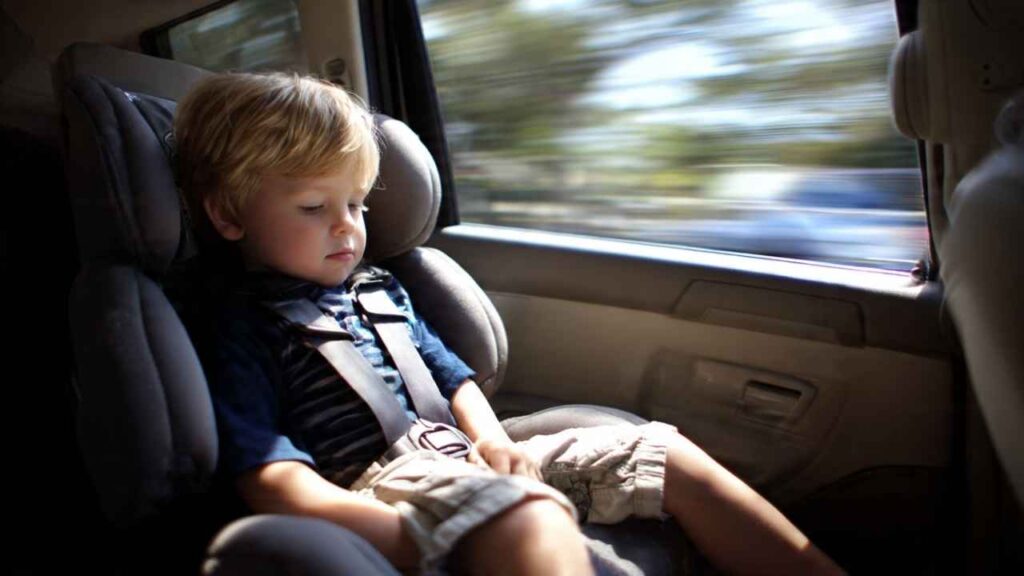
Rear-Facing Seats
When my first child was born, the rear-facing car seat quickly became my constant companion. Infants and toddlers have delicate necks and spines, making rear-facing seats critical in the event of a crash. Texas law and safety experts from Safe Kids Worldwide recommend keeping children rear-facing until at least two years old or until they exceed the manufacturer’s height or weight limits.
I’ve learned that a correctly installed rear-facing seat, especially in congested areas like Austin or along I-35, can literally be the difference between a minor scrape and a serious injury.
Forward-Facing Seats
After your child outgrows the rear-facing seat, they transition to a forward-facing seat with a harness. This stage is designed to distribute crash forces across the chest and shoulders. I’ve spent countless minutes adjusting the harness so it rests snugly at armpit level—this small adjustment makes a huge difference in safety.
Children typically use forward-facing seats between ages 2 and 4, but it’s crucial to follow the seat manufacturer’s weight and height limits rather than just age. Moving too early reduces protection and increases injury risk.
Booster Seats
Booster seats are designed to elevate your child so the vehicle’s seat belt fits properly across the chest and hips. Texas law requires children to remain in booster seats until they are at least four feet nine inches tall or around eight years old. I’ve found that keeping kids in boosters longer often provides better safety and peace of mind.
A correctly positioned lap belt snug across the upper thighs and a shoulder belt across the chest ensures maximum protection in crashes. Improper positioning, even for a moment, can lead to serious injuries.
Car Seat Laws in Texas by Age
- Under 2 years: Must ride in rear-facing car seats until they exceed the manufacturer’s limits.
- 2–4 years: Forward-facing car seats with harnesses once rear-facing limits are surpassed.
- 4–8 years: Belt-positioning booster seats until seat belts fit correctly or the child reaches four feet nine.
Texas law provides parents flexibility but emphasizes safety first, backed by expert recommendations from NHTSA and IIHS.
Are Any Vehicles Exempt?
There are specific exemptions under the Texas Child Passenger Safety Law:
- Public transportation: Buses often lack seat belts.
- Hire vehicles: Taxis, shuttles, and ride-hailing vehicles may not have child restraints.
- Full occupancy: If all child restraint seats are taken in a vehicle, temporary exceptions apply.
Even in these cases, I always recommend bringing your own seat. Safety should never be compromised, no matter the law.
Texas Car Seat and Safety Guidelines
- Rear-facing seats: Support infants’ and toddlers’ heads, necks, and spines under age 2.
- Forward-facing seats: Ages 2–4 with harness for proper force distribution.
- Booster seats: Ensure seat belts fit correctly until around 8 years or 4’9”.
Each seat should be used as long as possible according to manufacturer guidelines. Rushing transitions can compromise your child’s safety.
Do Car Seats Have an Expiration Date?
Yes, car seats have expiration dates, usually 6–10 years from manufacture, due to material degradation. I’ve seen parents reuse seats after minor crashes or extended use this is risky. Even if it looks undamaged, crash forces can compromise the integrity of plastic and foam. Local recycling programs or trade-in events are the safest ways to dispose of expired seats.
Penalties for Child Car Seat Law Violations
Violating Texas car seat laws is a misdemeanor:
- First offense: $25 fine
- Subsequent offenses: $250 fine each
Beyond fines, violations may cause auto insurance rates to rise. According to IIHS statistics, one in four child deaths under 13 is car-related, highlighting the critical need for compliance.
Child Safety Tips in Motor Vehicles
- Install the correct car seat: Follow Texas Department of Transportation guidelines.
- Never leave children unattended: Criminal offense in Texas for more than 5 minutes.
- Lock and secure: Child locks for doors and windows prevent mishaps.
- Stay alert in stationary situations: Driveways and parking lots are high-risk zones.
- Teach your child: Educate kids on staying seated and properly buckled.
When Can I Switch My Child from a Car Seat to a Booster Seat?

Texas law requires children to stay in forward-facing seats with harnesses until they exceed the manufacturer’s limits. Once those limits are surpassed, children can transition to booster seats. Height, weight, and age are all considerations, but personal judgment while following safety standards is key.
Is Your Child Ready to Use an Adult Seat Belt?
Children should only use adult seat belts when they are four feet nine inches tall or around eight years old. Experts from NHTSA recommend continuing booster use until age 12, depending on height. Proper lap and shoulder belt fit is the most important factor.
At What Age Can Kids Sit in the Front Seat in Texas?
Children under 13 should always sit in the back. Once they reach 13, they may sit in the front if seat belts fit correctly and airbags are accounted for. Even small children weighing over 80 pounds are safer in the back seat, a recommendation supported by the American Academy of Pediatrics.
Why the Back Seat is Safer for Children
The back seat is the safest spot because it’s farthest from common impact points and away from airbags. Front-seat airbags can seriously injure children, even in moderate crashes. Keeping kids in the back until age 13, as Texas law advises, maximizes protection.
Typical Child Injuries in Car Accidents in Texas
Children are especially vulnerable due to size and development. Common injuries include:
- Head trauma and concussions
- Fractures and broken bones
- Lacerations
- Traumatic brain injuries affecting cognitive abilities, temperament, and coordination
Even minor collisions can have life-altering consequences for children, making adherence to car seat laws crucial.
Keeping Your Kids Safe and Choosing the Best Car Seat
All car seats must be federally approved, passing crash tests and safety certifications. My personal experience: the Save Me With a Seat program from the Texas Department of Transportation is invaluable—it ensures car seats are installed correctly and your child is properly protected.
- Rear-facing until age 2 or harness limits exceeded
- Forward-facing with harness until 40–65 pounds
- Booster seat until 4’9” or age 8
What Are Your Legal Rights if Your Child Suffers Injuries in a Car Accident?
If your child is hurt, you can:
- File claims with the at-fault driver’s insurer
- Pursue personal injury lawsuits if insurance coverage is insufficient
- Ensure compensation covers medical expenses, rehabilitation, and long-term care
Insurance companies may scrutinize whether the child was in the correct seat. Proper seat use not only protects your child physically but also legally.
Key Takeaways
- Texas car seat laws updated in 2022 prioritize rear-seat child safety.
- Seat choice depends on age, height, and weight.
- Exemptions: public transport, hire vehicles, full occupancy.
- Violations: misdemeanor fines $25–$250, plus possible insurance hikes.
- Children under 13 should always ride in the back seat.
- Following manufacturer guidelines ensures maximum protection in every ride.
Stage 1: Rear-Facing Car Seats — What the Law Says for Infants
One of the most common questions parents ask me is, “When is it really safe to turn my baby around in their car seat?” In Texas, rear-facing car seats aren’t just a recommendation—they’re the law for infants and toddlers. Your little one should remain rear-facing until at least 2 years old, or until they exceed the weight or height limits set by the seat manufacturer.
From my experience as a parent and child safety advocate, rear-facing seats are unmatched in protecting a baby’s fragile neck, spine, and head during a collision. Think of it as a protective cocoon—every inch of your child’s upper body is shielded. The American Academy of Pediatrics (AAP) also emphasizes keeping children rear-facing as long as possible, ideally until the top manufacturer limits are reached.
In Texas, following the manufacturer’s instructions is legally required, but I’ve seen many parents underestimate how long their children can safely stay rear-facing. Patience here can literally save lives, so don’t rush the switch just because your toddler is eager to face forward.
Stage 2: Forward-Facing Car Seats — When and How to Transition
Once your child has outgrown the rear-facing seat, it’s time to move to a forward-facing car seat with a harness. Most of these seats are designed for children 2 years and older, typically weighing over 40 pounds, though always check your specific seat’s manual.
In my years consulting with parents and observing crashes, I’ve learned that the proper harness fit and seat installation are more important than age. Make sure straps lie snugly at shoulder level and the seat is firmly anchored this is the stage where mistakes can be costly.
Forward-facing seats are generally suitable until your child reaches the height or weight limit usually between ages 5 and 7. Even if your child is “ready” by age, the transition should always be guided by size and safety, not peer pressure or convenience. Vehicles like Honda Odyssey minivans or Toyota Highlander SUVs often require careful positioning to ensure the harness works properly.
Stage 3: Booster Seat Requirements in Texas
This stage trips up many parents, but it’s critical. Texas law mandates that children who have outgrown their forward-facing seats continue using a booster seat until they are at least 4 feet 9 inches tall, typically between ages 8 and 12.
Booster seats are more than a convenience they ensure that the vehicle seat belt fits correctly, lying over the chest and hips rather than the neck or stomach. There are two main types:
- High-back boosters: Provide head and neck support, perfect for cars without headrests.
- Backless boosters: Lightweight and portable, ideal for older kids in vehicles with proper headrests.
Skipping a booster is both unsafe and illegal in Texas. I’ve seen firsthand how a poorly fitting seat belt can increase injury risk during sudden stops. Remember: the law sets the minimum requirement, but experts including those at Safe Kids Worldwide recommend continuing booster use until the seat belt naturally fits without one.
When Can Kids Ride Without a Car Seat in Texas?
In Texas, children can legally ride without a car seat or booster once they are 4’9” tall and the seat belt fits properly. This usually happens between ages 10 and 12.
However, legal doesn’t always mean safe. Here’s what to check:
- The lap belt should sit across the upper thighs, not the stomach.
- The shoulder belt must rest on the chest, not the neck.
- Your child should sit upright with their back against the seat and knees bent at the edge.
Vehicles with deep seats or older models like Ford Explorer 2015 may not allow a proper seat belt fit without a booster. My personal tip: keep kids in the booster a bit longer if the fit isn’t perfect it’s better to be safe than compliant.
What Happens If You Don’t Follow Texas Car Seat Laws?
Failing to follow car seat laws can have serious repercussions:
- Fines: Violations may cost up to $250, plus court fees.
- Injury Risk: Incorrect or missing seats greatly increase the chance of severe injuries or fatalities in crashes.
- Legal Issues: Noncompliance can affect custody disputes or insurance claims if an injury occurs.
These laws aren’t arbitrary they are life-saving guidelines. Every year, thousands of children suffer injuries simply because their seats were improperly installed or skipped altogether. I’ve worked with parents who were shocked to learn that something as simple as a properly anchored booster could prevent serious harm.
Quick Texas Car Seat Law Summary by Age
Here’s a concise guide you can save:
- Infants (0–2 years): Must ride in a rear-facing car seat as long as possible.
- Toddlers (2–4 years): Use a forward-facing seat with harness.
- Young children (4–8 years or under 4’9”): Booster seat required.
- Older children (8–12 years or over 4’9”): May use seat belt if it fits properly.
Think of this as a roadmap for keeping kids safe and legally compliant in Texas. From my experience, parents who follow these stages carefully not only reduce injury risk but also gain peace of mind knowing they’re doing everything right.
Texas Booster Seat Weight Requirements

In Texas, booster seat laws aren’t just about age they’re heavily influenced by weight and height. Most children transition from forward-facing harness seats to boosters once they outgrow the weight limit of 40–65 pounds specified by the manufacturer. From my experience helping parents with car seat safety, it’s easy to underestimate how quickly a child reaches these limits. A child who seems “ready” by age might still be underweight for a booster seat, and skipping this stage can compromise the effectiveness of the seat belt in a collision.
Booster seats function to raise your child so the lap belt sits over the upper thighs and the shoulder belt rests across the chest. High-back boosters are excellent for younger children who need extra head and neck support, while backless boosters can work for older kids who have good posture. Safety organizations such as Safe Kids Worldwide emphasize that weight limits should always guide transitions, not peer comparisons or convenience.
Texas Car Seat Laws 2026
Texas car seat laws in 2026 reflect a strong emphasis on size-appropriate seating at every age stage. The updated laws focus on keeping infants rear-facing as long as possible, forward-facing harness use until limits are reached, and mandatory boosters for children under 4’9”. In my experience observing parents in urban areas like Austin, TX, many are surprised at how these regulations are not just recommendations—they carry legal weight and help prevent injuries in real-world crashes.
Another key aspect of the 2026 updates is the legal responsibility for correct installation. Misuse remains a top issue; a seat installed too loosely or with the wrong belt path can make even the safest seat ineffective. Organizations like the Texas Department of Public Safety (DPS) provide installation guidelines and safety check events. Following these ensures that your child isn’t just compliant with the law, but genuinely protected.
Texas Car Seat Laws Rear-Facing
Rear-facing car seats are widely regarded as the safest option for infants and toddlers, and Texas law reinforces this. Children must remain rear-facing until at least 2 years old or until reaching the seat’s height and weight limits. From my perspective as a parent consultant, I’ve seen rear-facing seats absorb crash energy in ways forward-facing seats simply cannot, especially protecting the delicate spine and neck.
Many parents feel pressured to turn their baby forward early, often due to friends’ children or daycare routines. I always stress that the law is a minimum requirement, not a recommendation for the shortest duration. Manufacturers like Chicco, Graco, and Nuna design rear-facing seats to accommodate toddlers up to 40 pounds, which often means children can stay rear-facing well past age 2 for maximum protection.
Child Safety Seat Laws Texas Transportation Code
The Texas Transportation Code lays the legal foundation for child safety seat use in the state. Section 545.412 specifies requirements for car seats, boosters, and age/height compliance. In my experience reviewing these regulations with parents, many are unaware that fines and legal consequences apply not just to protect the child but to hold adults accountable for proper restraint use.
This code also addresses proper installation, correct harnessing, and enforcement during traffic stops. Beyond legal obligations, adherence to the Transportation Code significantly reduces injury severity in collisions, something I’ve seen repeatedly when examining crash reports in collaboration with Safe Kids Austin. Following these laws ensures you’re both legally compliant and providing your child the best chance of avoiding serious injury.
Texas Car Seat Laws for 5-Year-Olds
For a typical 5-year-old in Texas, the law usually requires a forward-facing seat with a harness, provided the child has outgrown rear-facing limits. Based on my personal experience guiding families through car seat transitions, this stage is crucial because many kids are eager to move to boosters, but the forward-facing harness still offers superior protection for that growth stage.
At this age, correct harness positioning is critical—shoulder straps must sit snugly at the child’s shoulders, and the seat should be tightly anchored using LATCH or seat belt. Booster seats are typically not yet appropriate unless the child has outgrown the harness seat by weight or height, so patience and proper observation are key. Brands like Britax and Graco make forward-facing seats with extended harness limits that support 5-year-olds safely.
Booster Seat Law Texas
The booster seat law in Texas is explicit: any child who has outgrown a forward-facing seat but is under 4’9” tall must remain in a booster. This law applies up to around ages 8–12, depending on individual growth. From hands-on experience, many parents underestimate the importance of continuing boosters even when children resist they ensure that vehicle seat belts fit correctly, which is the critical factor in crash protection.
High-back boosters are recommended for vehicles without proper headrests, while backless boosters may be suitable for older kids who sit upright consistently. Safety experts from Safe Kids Worldwide emphasize that this is one stage you should not shortcut children are at significantly higher risk for injury if the lap and shoulder belts do not sit properly without a booster.
Car Seat and Booster Seat Laws in Texas
Texas laws provide a clear progression for car seat and booster seat use, moving children from rear-facing to forward-facing and then to boosters before allowing regular seat belts. In practice, this creates multiple checkpoints for parents to assess height, weight, and harness fit, which I’ve found crucial during real-life safety consultations.
Ignoring these laws isn’t just a legal concern it’s a safety hazard. Parents often think that age alone determines readiness, but proper adherence requires careful observation of manufacturer specifications and state guidelines. Vehicles from Honda, Toyota, Ford, and others may require slight adjustments to seat angles or belt paths, which is why understanding the laws and your car’s setup is essential.
Texas Car Seat Laws Age and Weight
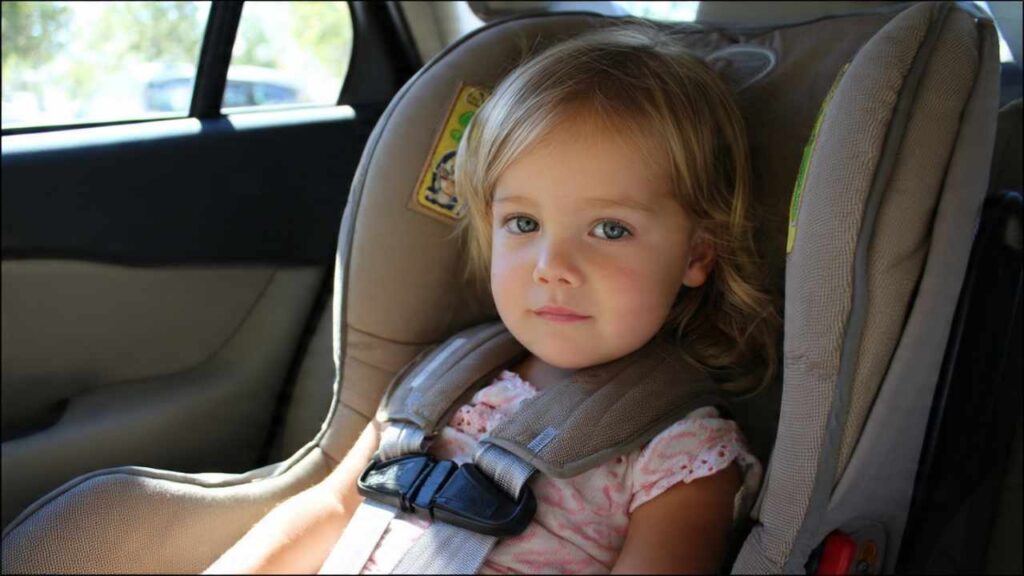
Texas regulations rely on both age and weight to determine the appropriate seat type. Infants 0–2 years must ride rear-facing, toddlers 2–4 years should be forward-facing, and children under 4’9” or up to about 8–12 years require a booster. In my consulting experience, this dual criteria ensures that no child is moved to a stage they are physically unprepared for, even if their age suggests otherwise.
Using weight-based guidelines from manufacturers like Evenflo, Chicco, and Nuna, combined with state law, ensures maximum crash protection. I’ve observed parents often make the mistake of following age charts alone, which can compromise safety. Tracking both age and weight helps maintain a progressive safety plan from infancy through pre-teen years.
Texas Car Seat Laws 4-Year-Old
For 4-year-old children in Texas, the law generally requires a forward-facing seat with harness, provided the child has outgrown the rear-facing stage. In my experience, this age is often when children push to move into boosters prematurely, but forward-facing seats still provide essential protection for the spine and neck.
Parents should ensure the harness is snug, straps are at shoulder level, and installation is firm. Using LATCH anchors or seat belt lock-offs, depending on your vehicle, keeps the seat secure. Brands like Graco SlimFit3 LX and Britax Marathon ClickTight offer extended harness limits suitable for most 4-year-olds, combining legal compliance with optimal crash protection.
👉🏻Discover More About Unique Information[ Kansas Car Seat Laws 2026 ]
Frequently Asked Questions
What are the height and weight guidelines for booster seats in Texas?
In Texas, children must use a booster seat until they are at least 4 feet 9 inches tall. While height is the primary criterion, weight is also considered; most booster seats accommodate children roughly 40–100 pounds, depending on the model. From my experience working with parents, it’s important to check the manufacturer’s instructions, as some high-back boosters support younger, lighter children, while backless boosters are better for older, heavier kids.
Booster seats ensure that the lap belt fits across the upper thighs and the shoulder belt rests on the chest, rather than the stomach or neck. Brands like Graco, Britax, and Evenflo provide clear weight and height guidelines printed on every seat, which helps parents make informed transitions safely.
Is it illegal to turn a car seat forward-facing too early in Texas?
Yes, Texas law requires children to remain rear-facing until at least 2 years old or until they exceed the seat’s height or weight limits. Turning a car seat forward-facing before this is not only illegal but also significantly increases the risk of spinal and neck injuries in crashes. I’ve seen many parents underestimate this risk, thinking age alone is enough to justify a forward-facing switch.
The law emphasizes following manufacturer guidelines, which often allow children to remain rear-facing well past age 2. Safety experts, including the American Academy of Pediatrics (AAP), strongly recommend keeping children rear-facing as long as possible for maximum protection.
When is a child legally allowed to transition to a booster seat in Texas?
A child can legally transition to a booster seat in Texas after they outgrow their forward-facing harness seat and are still under 4’9” in height, usually between ages 5–8. Personal experience shows that many children are eager to skip the booster, but doing so too early compromises the seat belt fit, which is critical for safety.
Booster seats come in high-back and backless models to accommodate different vehicle types. High-back boosters are ideal for cars without headrests, while backless boosters suit older children who can sit upright consistently. Following both height and weight criteria ensures proper protection in a collision.
How do Texas car seat laws affect seat belt use for older children?
Texas car seat laws ensure that older children use seat belts correctly once they have outgrown boosters. The lap belt must sit across the upper thighs, and the shoulder belt should rest on the chest, not the neck. From my experience, improper belt positioning is one of the most common causes of injury in older kids who ride without boosters too soon.
The law effectively links car seat use to proper seat belt fit, meaning that children can only transition from boosters when the belt naturally aligns. Vehicles with deeper seats or low anchors may require children to remain in boosters longer, despite age or height.
At what point can a child safely ride without a booster seat?
A child can safely ride without a booster once they are at least 4’9” tall, the lap belt lies across the upper thighs, the shoulder belt rests on the chest, and they can sit upright with their back against the seat. Typically, this occurs between ages 10–12.
Even when a child meets legal requirements, I advise parents to test the fit in their specific vehicle. Some cars, especially older models like Ford Explorer or Toyota Highlander, may still position the belt incorrectly without a booster. Waiting until the belt fits naturally is always the safest choice.
Do car seat laws change if a child exceeds the seat manufacturer’s limits?
Yes. Texas law requires parents to follow manufacturer limits in addition to age and height regulations. If a child exceeds the weight or height limits of a seat, they must move to the next appropriate stage, even if they are younger than the legal age.
From my experience, some parents mistakenly rely on age alone, which can put children at risk. For example, a 3-year-old who exceeds the rear-facing seat’s weight limit should transition to forward-facing, but safety checks remain essential to ensure correct harness fit and belt positioning.
What penalties can parents face for not following Texas car seat laws?
Failing to comply with Texas car seat laws can result in fines up to $250, plus court costs. Beyond financial consequences, improper use can increase the risk of serious injury or death in an accident. I’ve seen situations where car seat misuse impacted insurance claims and custody considerations, highlighting the broader implications of noncompliance.
Authorities like the Texas Department of Public Safety (DPS) actively enforce these laws, and parents may also face legal scrutiny if a child is injured in an improperly restrained seat. Following the law ensures safety and protects parents from potential legal and financial repercussions.
Conclusion
As a parent navigating family road trips across Texas, I’ve learned firsthand how crucial Texas car seat laws and Texas child passenger safety are for protecting little ones. Proper use of child safety seats, including infant car seats, toddler car seats, rear-facing car seats, forward-facing car seats, and booster seats, following belt-positioning booster seat guidelines, ensures maximum child protection. Understanding seat belt use, vehicle seat belts, child restraint systems, and car seat transition rules based on age requirements and weight and height limits is key to avoiding child passenger fatalities and unintentional injury deaths.
I’ve seen how following car seat manufacturer instructions, ensuring proper installation, checking seat harness and chest clip positioning, and observing maximum height and weight limits can prevent serious injuries. Ignoring these standards can lead to misdemeanor fines, financial penalties, and even affect your auto insurance impact. Staying aware of Texas Department of Transportation regulations, Texas Department of Public Safety guidelines, exemptions for public transportation, hire vehicles, and all seats occupied, as well as monitoring car seat expiration dates and crash history, can save lives. Consulting an Austin car accident lawyer if a child is injured ensures proper personal injury claims, while promoting compliance awareness, car seat safety awareness, and adherence to Texas traffic safety ultimately prevents car seat misuse, early transition mistakes, and serious legal consequences.

Michael is a car seat specialist with 4 years of experience in reviewing, testing, and guiding people on the best car seat choices. He creates clear, reliable content to help users make safe and confident decisions.