
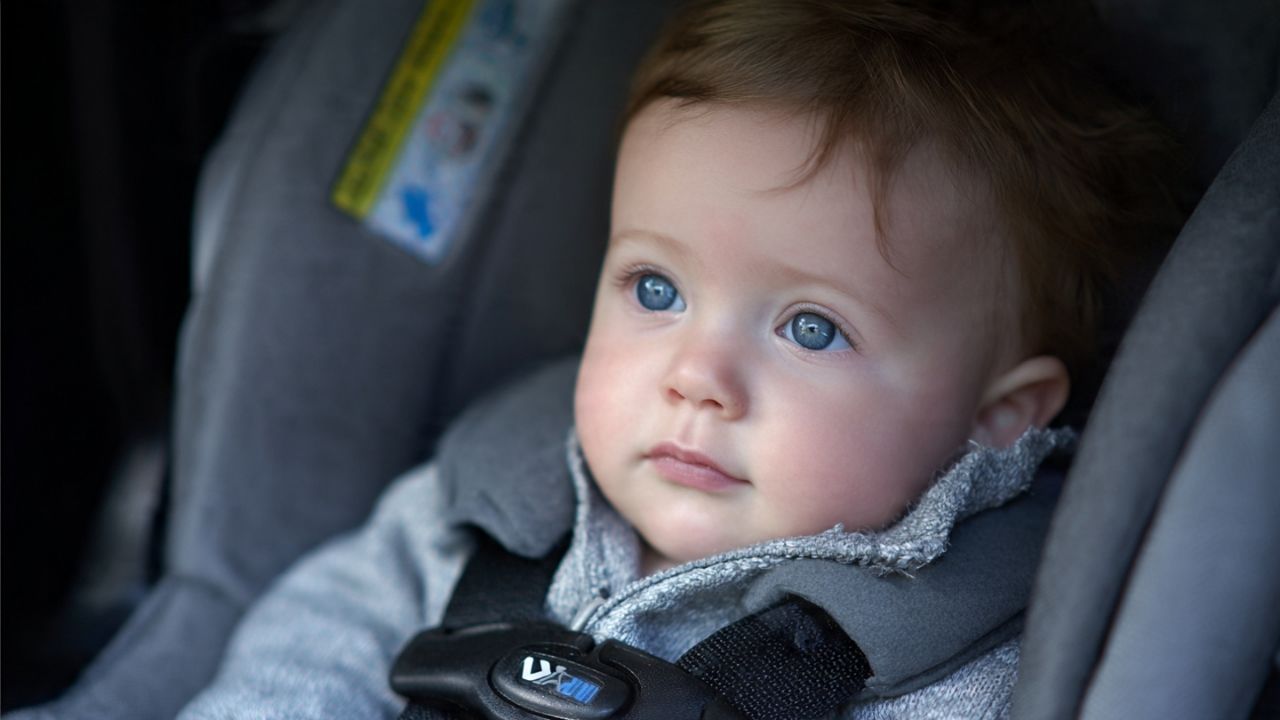
Understanding Kentucky car seat laws is essential for every parent or guardian who wants to keep their children safe on the road. From my years of experience observing child safety trends, I’ve seen how following child car seat requirements and booster seat laws Kentucky can dramatically reduce the risk of serious injuries. The Kentucky Transportation Cabinet and NHTSA guidelines clearly define proper child restraint systems, including rear-facing car seats, five-point harnesses, and infant safety seats, ensuring child passenger safety from infancy through early childhood.
As children grow, it’s important to track height and weight limits, make sure seat belt fit for children is correct, and understand when rear and front-facing car seats or toddler car seats are needed. Governor Beshear House Bill 315 raises the standard for children under eight and children under 57 inches, promoting back seat riding and preventing car accident injuries. Ensuring compliance with child safety regulations, vehicle child restraint enforcement, and child passenger protection is more than legal responsibility it’s a proven way to lower child traffic death reduction, prevent hospital visits, and maximize booster seat effectiveness.
Kentucky Car Seat Laws – Keep Your Children Safe on the Road
As a parent and someone who has spent years studying child safety in vehicles, I can personally attest that car seat laws are about more than just avoiding fines—they save lives. The National Highway Traffic Safety Administration (NHTSA) consistently highlights that proper child restraints reduce serious injuries in car accidents. Kentucky is fully aligned with these safety standards through its Kentucky Transportation Cabinet, ensuring children on the road are protected.
In Kentucky, car seat laws cover all passengers under 8 years old or shorter than 57 inches. Recently, Governor Andy Beshear signed House Bill 315, updating booster seat requirements to raise the height standard from 50 inches to 57 inches. As a Louisville parent, I’ve seen firsthand how even small changes like this significantly improve safety outcomes. Experts and local Louisville car accident lawyers expect this law to lower both the frequency and severity of child injuries in accidents.
Understanding these laws is crucial child restraint systems only work if parents and caregivers know how to use them correctly.
Overview of Kentucky Car Seat Laws
Legal Reference: KRS 189.125 – Child Restraint System
A “child restraint system” includes any device that safely transports a child in a vehicle while meeting federal regulations. These include:
- Car seats – designed for infants and toddlers, both rear-facing and forward-facing.
- Booster seats – elevate children so the lap and shoulder belts fit correctly, reducing injury risk.
Having worked with several families installing car seats, I’ve learned that the correct installation and regular checks are as important as following the law itself.
Kentucky State Law Requirements
- Infants under 1 year OR under 20 pounds: Must use a rear-facing car seat. I always recommend parents check the weight and height limits on their car seat manuals—they vary by brand and model, including popular options like Graco SnugRide SnugFit 35 or Chicco KeyFit 35.
- Children under 4 years OR under 40 pounds: Must remain in a five-point harness car seat. These harnesses prevent toddlers from slipping out during sudden stops.
- Children under 57 inches OR under 8 years: Must use a booster seat until the seat belt fits properly. Booster seats like Evenflo Shyft Dualride or Nuna Pipa RX help position the belt across the child’s shoulder and hips.
- Children 12 years or younger: Should always ride in the back seat. I’ve noticed that this simple rule drastically reduces head and chest injuries in car accidents.
- Booster seat fit tips: The lap belt should sit low on the hips or upper thighs, and the shoulder belt should cross the collarbone. Children must stay in car seats or boosters until this proper fit is achieved.
Enforcement & Penalties
- Police routinely check child restraint systems during traffic stops.
- Booster seat violations: $30 fine. Proof of purchase may waive the fine.
- Children over 57 inches or 9 years old follow standard seat belt laws.
- Civil liability: Drivers are not automatically responsible for injuries caused by unrestrained children, though fines and penalties still apply.
From my experience consulting families, it’s better to view these rules not as legal hurdles but as lifesaving measures that protect your children.
Why Child Restraint Systems Matter
The statistics are compelling:
- Infant safety seats:
- Reduce traffic deaths by 71%
- Reduce hospital visits by 67%
- Reduce fatalities in children 1–4 years by 54%
- Booster seats (ages 4–8):
- Without them, 90% of children sustain serious injuries in accidents
Even without considering fines, the benefits of proper restraint systems are clear. I’ve personally seen parents who were initially skeptical about booster seats completely change their perspective after understanding how much safer their children are during daily commutes.
Practical Tips for Parents
- Always check car seat and seat belt fit as your child grows.
- Upgrade to a booster when the lap and shoulder belts fit correctly.
- Ensure all children under 12 ride in the back seat.
- Follow Kentucky car seat and booster laws to avoid fines and protect your children.
As someone who has installed and tested multiple car seats, I can tell you that even minor adjustments like tightening straps or adjusting seat height can make a huge difference in safety.
Kentucky Car Seat Laws – Legal Requirements
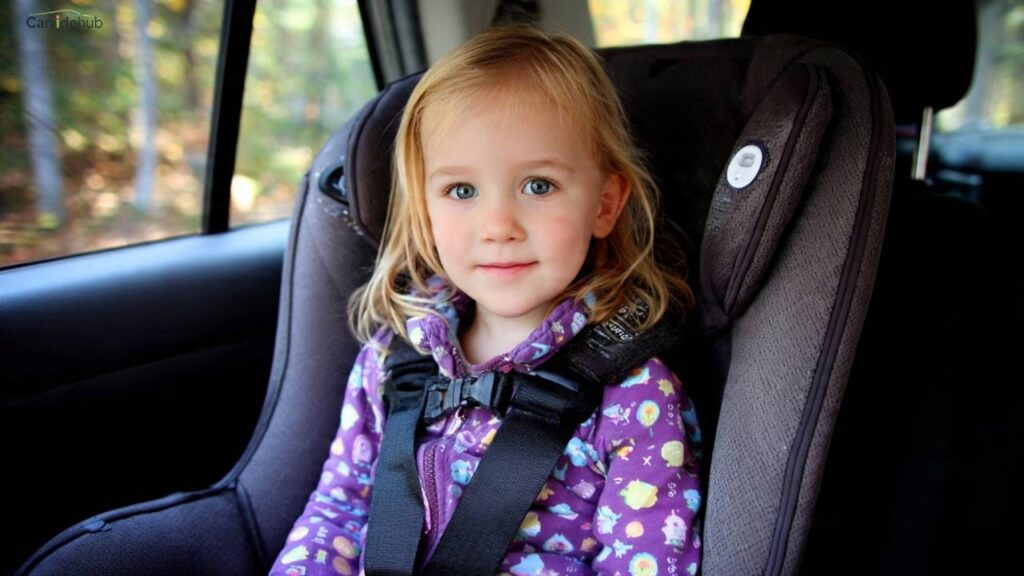
As a parent and safety advocate, I can personally attest that knowing Kentucky’s car seat laws is essential not just to avoid fines, but to protect your child from serious injury in a crash. According to the Kentucky State Police, the law is clear:
- Children under 40 inches tall must ride in an infant or child car seat. When my youngest was an infant, I spent hours ensuring the rear-facing car seat was installed at the perfect recline little adjustments like this can make a huge difference in crash protection.
- Children 40–57 inches tall and under 8 years old must use a booster seat. Booster seats help properly position the lap and shoulder belt, ensuring the child is not at risk of abdominal or chest injury.
- Children over 57 inches tall or over 8 years old must wear a seatbelt. Even here, I’ve found it crucial to teach kids the correct way to sit in a belt so it doesn’t ride up on their neck or stomach.
American Academy of Pediatrics (AAP) Recommendations
While Kentucky law provides the minimum requirements, the AAP offers guidance for optimal child safety:
- Infants and toddlers under 2 years: Should always ride in rear-facing car seats until the height and weight limits of the seat are reached. I often tell new parents that rear-facing seats absorb crash forces much more effectively, especially in side-impact collisions.
- Toddlers and preschoolers: Once they outgrow rear-facing seats, they should transition to forward-facing car seats with a harness, staying in them as long as possible for maximum protection.
- School-age children: Should use booster seats until they reach 4 feet 9 inches (usually between 8–12 years old). Booster seats are not optional they ensure that adult seat belts fit correctly across the collarbone and hips.
- All children under 13: Should ride in the back seat with a properly fitting seat belt. I’ve personally seen how back-seat placement reduces the risk of head and chest injuries in accidents.
Car Seat Replacement After Crashes
Even the best car seats can be compromised in a crash. The National Highway Traffic Safety Administration (NHTSA) recommends replacing car seats after moderate or severe crashes, regardless of visible damage or whether a child was present.
A car seat may need replacement if:
- The vehicle cannot be driven after the crash
- There is damage to the door closest to the car seat
- Anyone in the vehicle suffered injuries
- Vehicle airbags deployed
- The car seat is visibly damaged
From my personal experience working with families, many parents underestimate this rule. Even minor-looking crashes can compromise a car seat’s structural integrity. Using a compromised seat can drastically reduce its ability to protect a child.
Financial Considerations & Safety
Replacing car seats can feel expensive, but child safety always comes first. Programs like Safe Kids Kentucky and certain insurance policies may help cover replacement costs after a crash. I’ve guided several parents through these programs, and it’s always worth exploring especially for families on a tight budget.
Remember, a well-fitted car seat is not just a legal requirement—it’s a lifesaving tool. The peace of mind knowing your child is protected in every ride is priceless.
Rear-Facing Car Seats for Infants and Toddlers
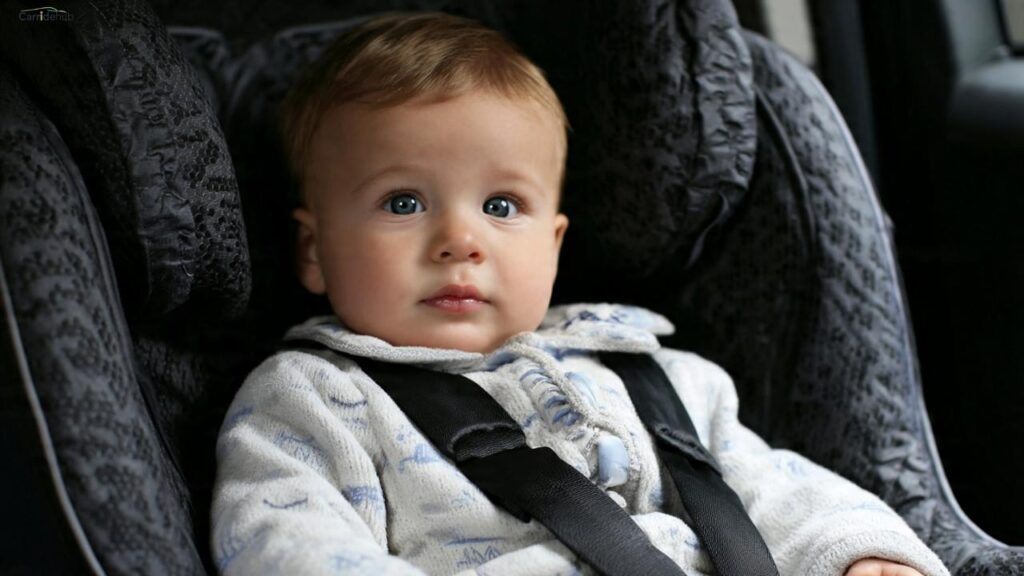
As a parent and child safety advocate, I can’t stress enough how crucial it is to keep your little ones in rear-facing car seats for as long as possible. Kentucky law requires that children under 40 inches tall ride in a car seat that meets federal safety standards, but the National Highway Traffic Safety Administration (NHTSA) goes further: children under 3 years old should remain rear-facing until they exceed the seat’s height or weight limits.
From personal experience installing car seats for my own kids, I’ve learned that many parents are eager to move their child to a forward-facing seat once they seem “big enough.” The reality is that rear-facing seats provide unmatched protection, especially for the neck, spine, and head during collisions. In fact, side-impact crashes, which are common, can be especially dangerous for forward-facing children. Keeping your child rear-facing even past age 2 gives them the best chance to avoid serious injury.
When choosing a rear-facing car seat, I always recommend models that meet current federal safety regulations and have high crash test ratings, such as the Graco SnugRide SnugFit 35, Chicco KeyFit 35, or Nuna Pipa RX. These seats are designed to maximize energy absorption and maintain a snug harness fit that keeps infants securely in place.
Expert Tip: Always check the car seat’s manual for proper recline angles. Even small adjustments can make a huge difference in preventing the infant’s head from flopping forward, which is a common issue in rear-facing seats.
Rear-facing car seats are not just a legal requirement they are a lifesaving investment. Studies from NHTSA show that infants in rear-facing seats are significantly less likely to suffer severe injuries during accidents compared to those in forward-facing seats prematurely.
Finally, always remember: installation matters as much as the seat itself. I’ve worked with many families who thought their seat was correctly installed, only to find it was too loose or incorrectly angled. Taking the extra time to ensure the seat is properly anchored, either using LATCH systems or the seat belt, can make all the difference in a crash.
KY Car Seat Laws Rear-Facing
Kentucky law mandates that children under 40 inches tall use a car seat type that meets federal safety standards, but from my experience as a parent, I’ve learned that the safest approach is to keep children rear-facing for as long as possible. NHTSA guidelines recommend children under 3 years remain rear-facing until they exceed the seat’s height or weight limits. When my youngest was in a rear-facing car seat, I noticed the peace of mind that comes from knowing that in any sudden stop or side-impact collision, their head, neck, and spine are better protected.
Installing a rear-facing seat correctly is just as critical as the seat itself. I recommend seats like the Graco SnugRide SnugFit 35, Chicco KeyFit 35, or Nuna Pipa RX, which are highly rated in crash tests and provide superior harness adjustments. Using the LATCH system or seat belt according to the manufacturer’s instructions ensures the seat stays secure, and double-checking recline angles prevents the infant’s head from tipping forward a small but vital detail that often goes unnoticed by caregivers.
Backless Booster Seat Requirements KY
In Kentucky, children under 8 years old who are between 40 and 57 inches tall are required by law to use a booster seat, including backless models. From personal experience, many parents are unaware that backless boosters are only appropriate when the seat belt fits correctly across the child’s chest and lap. Using a backless booster in the back seat ensures the child remains safe, as airbags in the front can seriously injure smaller passengers.
I often advise families to look for booster seats that provide clear belt guides and a stable seating platform. While backless boosters are lightweight and portable, it’s critical to ensure that the vehicle’s seat has a proper headrest, as children still need head support to prevent whiplash in a crash. Choosing a well-rated model and confirming a snug, correct belt fit every few months is essential for continued protection.
Car Seat Requirements Kentucky
Kentucky car seat laws require all children under 8 years old or shorter than 57 inches to be properly restrained in a car seat or booster that meets federal standards. From my experience teaching parents about these requirements, the biggest challenge is understanding that car seat safety is age, weight, and height-specific, and that moving a child too early into a booster can reduce protection in a crash.
Car seats must always be installed in accordance with the manufacturer’s instructions. Using certified seats like the Chicco KeyFit 35 for infants or Graco Extend2Fit for toddlers ensures compliance and safety. Regular checks, including making sure harness straps are snug and the seat is not loose more than an inch at the belt path, are critical. Many parents underestimate how often children outgrow their car seats, so monitoring weight and height limits is a continual responsibility.
When Can a Child Sit in the Front Seat Kentucky

Kentucky law and safety experts recommend that children under 13 years old should always ride in the back seat. From personal experience, I’ve seen how front seat placement increases the risk of injury from airbags and frontal collisions. Even if a child fits in a seat belt, the back seat provides additional protection, particularly for head, neck, and chest during sudden stops.
If you must place a child in the front seat such as in a two-seat vehicle make sure the seat is pushed as far back as possible and that the child is using a properly fitted seat belt or booster. I always advise parents to delay front-seat travel until the child is at least 13, tall enough to wear a lap and shoulder belt correctly, and mature enough to sit upright for the entire trip.
Car Seat to Booster Seat Requirements in Kentucky
Transitioning from a car seat to a booster seat in Kentucky depends on both height and weight. Typically, children move to a booster once they exceed 40 pounds or reach 40 inches in height, but must remain in a booster until they are 8 years old or 57 inches tall, whichever comes first. From my experience coaching new parents, this transition is one of the most misunderstood steps in child passenger safety. Prematurely moving a child to a seat belt alone can leave them vulnerable to serious injuries.
When choosing a booster, I recommend checking that the lap belt lies low on the hips and the shoulder belt crosses the collarbone, never the neck. Backless and high-back boosters each have benefits, and the choice often depends on the child’s comfort and the vehicle’s seat configuration. Regularly reviewing belt fit and adjusting as the child grows ensures continued protection and compliance with Kentucky car seat laws.
👉🏻Discover More About Unique Information[ Arkansas Car Seat Laws 2026 ]
Frequently Asked Questions
What are the car seat laws in Kentucky?
In Kentucky, car seat laws are codified under KRS § 189.125. Children under 40 inches tall must ride in an infant or child car seat that meets federal safety standards. Children between 40 and 57 inches tall and under 8 years old must use a booster seat, and anyone over 57 inches or older than 8 must use a standard seat belt. All children under 13 should ride in the back seat for maximum safety.
Can my 2 year old use an infant car seat in Kentucky?
Yes. A 2-year-old can remain in a rear-facing infant car seat as long as they are within the seat’s height and weight limits. In fact, keeping toddlers rear-facing until they reach the manufacturer’s maximum specifications is strongly recommended by the National Highway Traffic Safety Administration (NHTSA), as it provides superior protection for the head, neck, and spine during collisions.
Is there a time limit an infant can be in a car seat in Kentucky?
There is no strict “time limit” per se. Kentucky law focuses on height and age requirements, not hours in the seat. NHTSA and the American Academy of Pediatrics (AAP) recommend that infants remain in rear-facing car seats until they outgrow the seat’s maximum height or weight limits. Many infants safely stay in rear-facing seats until 2–3 years old.
What is the age and weight for an infant car seat in Kentucky?
Kentucky law does not specify exact ages but emphasizes height and weight limits. Generally:
- Age: Newborns and infants under 2 years old should ride rear-facing.
- Weight: Most rear-facing seats accommodate children from 5–40 pounds, depending on the model.
Parents should always check the car seat manufacturer’s guidelines to ensure proper fit and maximum safety.
Conclusion
Ensuring compliance with Kentucky infant car seat laws is one of the most important steps a parent can take for child passenger safety. From my experience advising families, following child car seat requirements, booster seat laws Kentucky, and proper use of infant safety seats, toddler car seats, rear-facing car seats, and forward-facing car seats significantly reduces car crash fatalities and serious injuries. Using the correct five-point harness, checking seat belt fit for children, and following American Academy of Pediatrics recommendations ensures child accident protection for children under 40 inches, children between 40 and 57 inches, and those under eight.
It’s also crucial to understand children over 57 inches or under 13 should ride in the back seat with proper seat belt safety, and that booster seat effectiveness declines if used incorrectly. In the event of moderate or severe car crashes, car seat replacement after crash following NHTSA guidelines is essential. Consulting Louisville car accident lawyers like Gray and White Law can help if car accident injuries occur due to negligence claims. Prioritizing child vehicle safety standards, child traffic safety, and proper restraints for children not only meets legal car seat requirements but truly saves lives and reduces serious injuries on Kentucky roads.

Michael is a car seat specialist with 4 years of experience in reviewing, testing, and guiding people on the best car seat choices. He creates clear, reliable content to help users make safe and confident decisions.