

Understanding Idaho car seat laws is crucial for parents and drivers who transport children. Idaho Statutes § 49-672 requires proper child restraint systems that meet federally approved standards under 49 C.F.R. § 571.213. Parents should select car seats based on the child’s size, height, and weight limits. Proper use ensures maximum child passenger safety during every trip.
Children should use a rear-facing car seat from birth to 2 years, then forward-facing from 2 to 4 years, and a booster seat from 4 to 8 years or under 4’9”. Seat belt fit and rear seat placement until age 13 are recommended. Drivers are responsible for compliance, with violations resulting in fines up to $84. Safety remains the priority, including proper use in rideshare vehicles to reduce risks of injury or death.
Idaho Car Seat Laws — at a Glance
As a parent and someone who has spent countless hours researching child safety on the road, I can confidently say that understanding car seat laws is one of the most important steps to protecting your little ones. Idaho takes child passenger safety seriously, and following the rules not only keeps your child safe but also ensures you avoid legal trouble. Here’s a quick overview of what every parent in Idaho needs to know:
- Are child restraints required: Yes
- To what age: Until the child reaches seven years old
- What is required: An appropriate car seat or booster seat that fits the child’s size and weight
What Is the Idaho Car Seat Law?
The Idaho car seat law is officially listed under Idaho Statutes § 49-672, titled Passenger Safety for Children. According to this law, no one operating a non-commercial motor vehicle may transport a child six years of age or younger without an approved child restraint system.
From my experience, many parents underestimate the importance of properly sizing a car seat. A seat that fits too loosely or is past its weight/height limit can be just as dangerous as not using one at all. In Idaho, the law is designed to make sure every child is properly secured, whether in a rear-facing infant seat, forward-facing harness, or booster seat.
Pro tip: Always check the expiration date of your car seat and follow the manufacturer’s instructions for installation. Even experienced parents sometimes struggle with LATCH systems or seatbelt installations, so taking the time to double-check can save lives.
By following Idaho’s child passenger safety rules, you not only comply with Idaho Department of Transportation (ITD) regulations but also join thousands of parents committed to keeping children safe on the road.
When Are Car Seats Required in Idaho?
As a parent who has spent countless hours securing my own children in car seats, I can tell you firsthand that knowing when car seats are required isn’t just about following the law—it’s about keeping your child safe in every ride. In Idaho, children must be secured in an appropriate car seat up to the age of seven. Once your child turns seven, they are no longer legally required to use a car seat.
However, my experience and guidance from the Idaho Transportation Department (ITD) suggest that it’s wise to continue using a booster seat until at least age eight, or until your child is tall enough to fit properly into a standard adult seat belt. Correct seat belt placement is critical: the lap belt should rest snugly over the upper thighs, and the shoulder belt should lie diagonally across the chest.
For optimal safety, all children should remain in the back seat until at least age 13. This simple step can significantly reduce the risk of injury in the event of a crash, according to data from the National Highway Traffic Safety Administration (NHTSA).
Pro tip from experience: Even if a child is over the legal age, don’t rush to remove the booster seat. I’ve seen children who looked “big enough” still benefit from the extra support and proper positioning that a booster provides.
Idaho Car Seat Compliance and Tickets
As a parent who has driven countless miles with young children, I’ve learned that even a momentary lapse in car seat safety can be risky and in Idaho, it’s also a legal matter. The state takes child passenger safety seriously, and failing to follow Idaho’s child seat belt laws can result in tickets and fines.
Who Is Responsible for Car Seat Compliance in Idaho?
In Idaho, the vehicle operator is fully responsible for ensuring that every child in the car is properly restrained. This means that whether you’re the parent, relative, or caregiver, it’s your duty to make sure the child is safely secured in a car seat or booster seat. From personal experience, it’s essential to check that harnesses are snug and buckles are clicked before every trip, and if a child manages to unbuckle themselves, pull over safely to secure them before continuing your drive.
Who Gets the Car Seat Ticket in Idaho?
The driver of the vehicle is the one who receives the citation if a child is not properly secured even if the driver is not the child’s parent. This policy underscores the legal responsibility of anyone operating a vehicle with young passengers, making it vital to always double-check car seat compliance.
What Is the Penalty for Not Having a Child in a Car Seat in Idaho?
Violating Idaho’s child passenger safety laws is considered a civil infraction. The standard fine for failing to have a child in a car seat is $84.00, which can be avoided entirely by taking a few extra seconds to ensure proper restraint. Beyond the fine, remember that proper use of car seats is the single most effective way to prevent serious injury in a crash, according to the National Highway Traffic Safety Administration (NHTSA).
Pro tip from experience: Keep a checklist in your car rear-facing, forward-facing, booster, lap-and-shoulder belts and ensure your child is correctly seated before every drive. A little diligence goes a long way toward safety and compliance.
Exceptions to Idaho Car Seat Laws

As a parent who has navigated long road trips, quick errands, and rideshares with small children, I know firsthand that there are rare moments when using a car seat perfectly isn’t possible. Idaho’s car seat laws are designed for safety, but there are a few exceptions where the law allows some flexibility. Understanding these can help you stay compliant while still caring for your child’s immediate needs.
Are There Any Exceptions to Idaho Car Seat Laws?
While it’s always safest to have your child properly restrained, Idaho law does not apply in the following situations:
- The vehicle is a commercial vehicle, such as a school bus.
- All seat belts are already in use, and the child is seated in the back.
- If a child needs to nurse, they can be held while feeding instead of remaining in the car seat.
- To tend to a child’s immediate physiological needs, such as diaper changes or medical care.
From my experience, these exceptions are rare, but knowing them can prevent panic in situations like short trips or emergencies. Even so, whenever possible, children should remain in their car seat for the entire ride.
Do You Have to Use a Car Seat in an Uber or Lyft in Idaho?
Rideshare situations add a layer of complexity. While Idaho law likely applies to children in Uber or Lyft vehicles, the statutes do not explicitly mention rideshares. Rideshare vehicles do not meet the definition of commercial vehicles under Idaho Statutes § 49-123, which adds some ambiguity regarding responsibility.
In practice:
- The driver would likely be held responsible for compliance if a child is not restrained, similar to standard non-commercial vehicles.
- Uber guidelines require riders to provide and install car seats for children, and drivers may refuse service if this is not done.
- Lyft guidelines follow a similar approach, emphasizing that children must be secured properly.
Pro tip from personal experience: Always carry a portable or travel car seat when using rideshares. Even if the driver insists the child can sit without one, having a properly installed seat ensures maximum safety and legal compliance.
Idaho Car Seat Laws and Accidents
As a parent who has witnessed firsthand how quickly accidents can happen, I can’t stress enough the life-saving importance of car seats. The statistics are striking: according to the National Safety Council (NSC), properly using car seats in passenger vehicles reduces the risk of death by 71% for children under one year old and by 54% for children aged one to four. Yet, while car seats dramatically improve safety, whether a child was properly restrained does not necessarily affect insurance claims or lawsuits after a crash.
Is It Considered Contributory Negligence if a Child Is Not in a Car Seat?
In Idaho, failing to secure a child in a car seat is not considered contributory negligence. This means that in civil court, the fact that a child was not restrained cannot be used as evidence to prove negligence. From personal experience, many parents worry that this could reduce compensation after an accident, but Idaho law explicitly protects families in this scenario. The focus remains on who caused the accident, not on the child’s seating situation.
Even if a child is unrestrained, it is almost never considered the child’s fault, and the jury evaluates negligence based on the driver’s actions, road conditions, and other relevant factors. Allowing evidence of car seat non-compliance could unfairly bias the jury against the driver, which is why Idaho law prohibits this.
Pro tip from experience: Always ensure your child is in the correct car seat for their age and size. Not only does it maximize protection in a crash, but it also gives peace of mind knowing you’re fully compliant with Idaho Statutes § 49-672 and following federal guidelines.
Idaho Child Car Seat Laws

As a parent who has navigated countless errands, road trips, and even rideshare trips with young children, I can attest that understanding Idaho’s child car seat laws is crucial for both safety and legal compliance. Ensuring your child is properly restrained in a vehicle not only reduces the risk of injury in accidents but also keeps you aligned with state regulations.
Current Child Car Seat Requirements in Idaho
Idaho’s car seat laws are designed to protect children at every stage of growth. The state requires parents and guardians to use child restraint systems appropriate for the child’s age, height, and weight. From personal experience, I’ve seen how even a small mistake in seat selection or installation can compromise safety, so paying attention to these details is essential.
Age and Weight Guidelines for Car Seats
- Infants and Toddlers: Must use a rear-facing car seat until they exceed the manufacturer’s height or weight limits. Rear-facing seats are crucial because they support a child’s head, neck, and spine during a collision. Experts recommend keeping children in rear-facing seats as long as possible, even beyond age two, if the seat allows.
- Forward-Facing Car Seats: Once children outgrow the rear-facing stage, they should move to a forward-facing seat with a harness. These seats distribute crash forces across the body, reducing injury risk. Always check your seat’s height and weight limits before transitioning.
- Booster Seats for Older Children: After forward-facing seats, children should use a booster seat until at least age eight or until they can fit properly into an adult seat belt. Proper positioning is critical: the shoulder belt should cross the chest and shoulder, not the neck, and the lap belt should rest on the upper thighs, not the stomach. Even after moving to a standard seat belt, children should remain in the back seat for maximum protection.
Exceptions to Idaho Car Seat Laws
While using a car seat is always safest, Idaho law recognizes a few exceptions:
- Front seat use is allowed if all rear seats are occupied by other children in car seats.
- Older vehicles without seat belts may have specific exemptions.
- Children with medical conditions or disabilities may qualify for a medical exemption—it’s important to obtain documentation and consult the Idaho Transportation Department (ITD) or a certified child passenger safety technician (CPST).
Importance of Proper Car Seat Use
Proper car seat use is one of the most effective ways to protect your child in an accident. Rear-facing, forward-facing, and booster seats all work to reduce injuries by up to 70% according to safety studies. In addition to crash protection, compliance with Idaho law helps families avoid fines and legal complications.
- Compliance with Federal and State Standards: All car seats sold in the U.S. must meet federal crash-test standards (49 C.F.R. § 571.213 – Standard No. 213). Idaho law aligns with these standards, so using certified seats is essential.
- Avoiding Penalties: Violating Idaho’s car seat requirements can result in fines and liability in case of an accident. Following the law ensures both safety and peace of mind.
Pro tip from experience: Always check the expiration date on your car seat and verify the seat’s compatibility with your vehicle. Even experienced parents benefit from double-checking installation and harness tightness before every trip.
Idaho Car Seat Laws Front Seat
As a parent who has spent years ferrying kids to school, activities, and family trips, I’ve learned that the front seat is never the first choice for children. Idaho law only allows children to ride in the front seat under very limited circumstances—typically if all rear seats are occupied by other children in car seats. Even in these cases, the child must still be properly restrained in a federally approved seat. From experience, keeping children in the rear whenever possible dramatically reduces the risk of injury during a collision.
The front seat can be dangerous because airbags are designed for adults and deploy with tremendous force. In Idaho, compliance with this rule isn’t just about following the law it’s about preventing serious head, neck, and spinal injuries. I always recommend that parents prioritize rear seating, even if the law technically allows front-seat placement, and double-check harnesses and seat belts before every trip.
Idaho Car Seat Laws Rear Facing
Rear-facing seats are the safest option for infants and toddlers, and as a parent, I’ve seen firsthand how effective they are in absorbing crash forces. Idaho law mandates that children remain in rear-facing car seats until they reach the weight or height limits set by the manufacturer. Keeping a child rear-facing protects their head, neck, and spine in the event of sudden braking or collisions. I recommend parents go beyond the minimum age requirement whenever possible, as extended rear-facing has been shown to greatly reduce injuries.
Installation is key to effectiveness. Many parents underestimate how important it is to secure the seat at the correct angle and tighten the harness snugly. Personally, I check every installation before each trip and use guidance from certified Child Passenger Safety Technicians (CPSTs) to ensure compliance with Idaho and federal regulations.
Idaho Car Seat Laws 2026
The 2026 updates to Idaho car seat laws continue to emphasize safety and proper child restraint. Children under seven must be properly restrained in a car seat or booster seat appropriate for their age, height, and weight. From my experience, staying up to date on these laws is critical because even small changes in regulations can impact compliance and safety during everyday travel. Parents should review their car seat manuals and state guidelines annually to avoid fines or unsafe practices.
One key aspect of the 2026 regulations is the recommendation that children remain in the back seat until at least age 13. Even though the law focuses on car seat use, keeping children in the back seat is a proven safety measure. Personally, I make it a rule that my kids are always rear or booster seated in the back, which provides peace of mind and aligns with Idaho’s best practice recommendations.
Booster Seat Requirements Idaho
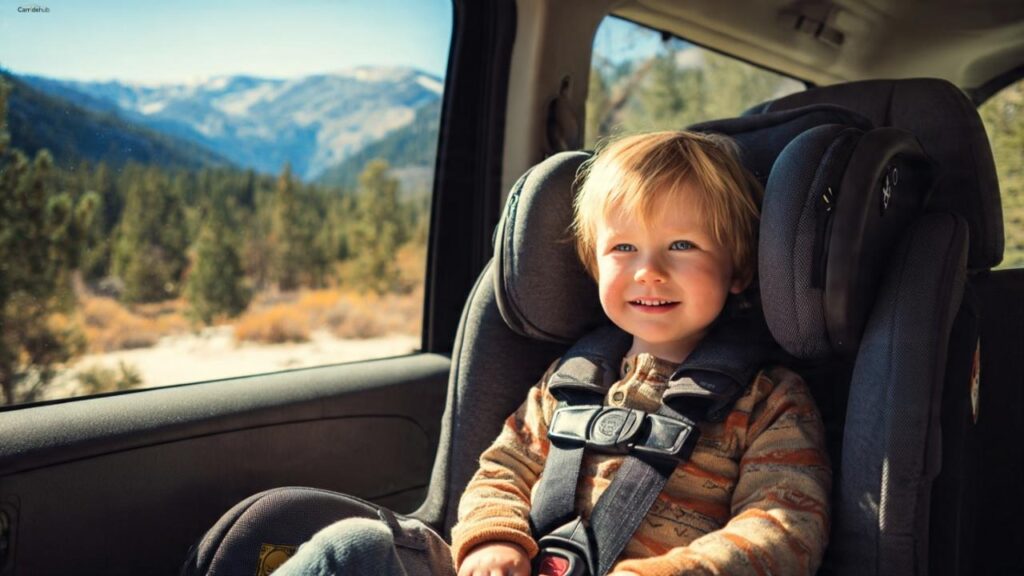
Booster seats are crucial for older children who have outgrown forward-facing seats but are not yet tall enough for an adult seat belt. In Idaho, children must use a booster seat until at least age eight or until they can fit properly in a seat belt. From personal experience, booster seats make a huge difference in positioning the lap and shoulder belts correctly, reducing the risk of abdominal or spinal injuries during crashes.
Parents should ensure that the shoulder belt lies across the chest and shoulder, not the neck, and that the lap belt rests on the upper thighs, not the stomach. I recommend parents always check their child’s height and weight against the seat’s specifications and consult a certified CPST if there is any uncertainty. Proper booster seat use is one of the simplest yet most effective ways to comply with Idaho law and keep children safe on the road.
Idaho Booster Seat Laws 2026
The 2026 booster seat laws in Idaho reinforce the importance of using proper restraints for older children. From my experience as a parent, booster seats are not just a formality—they ensure the seat belt fits correctly, reducing the risk of serious injuries in crashes. Idaho law requires children to use a booster seat until they are at least eight years old or tall enough to fit an adult seat belt properly. Even if a child reaches the age limit, the booster seat often provides better safety positioning until they meet height requirements.
Many parents underestimate how critical proper placement is. The shoulder belt should cross the chest and shoulder, while the lap belt rests over the upper thighs, not the stomach. I personally recommend checking the booster seat’s instructions and consulting a Child Passenger Safety Technician (CPST) if there’s any doubt. Staying compliant with these 2026 rules not only protects your child but also ensures you avoid fines under Idaho Statutes § 49-672.
How Much Do You Have to Weigh to Sit in the Front Seat in Idaho
Idaho law generally recommends that children remain in the back seat until at least age 13, regardless of weight. From personal experience, I’ve found that even “big” kids are still safer in the rear due to the risk posed by airbags. While there isn’t a strict weight minimum, most safety experts and the National Highway Traffic Safety Administration (NHTSA) advise that children should weigh at least 80–100 pounds and be tall enough to fit properly in an adult seat belt before using the front seat.
It’s important to remember that airbag deployment can cause severe injuries to children if they are seated too close to the dashboard. I always ensure my children are properly restrained in the rear seat with the correct car seat or booster until both height and weight are adequate for front-seat placement. Idaho law aligns with these recommendations to prioritize child safety over convenience.
When Can a Child Stop Using a Booster Seat in Idaho
A child can stop using a booster seat in Idaho once they are at least eight years old or tall enough to properly fit an adult seat belt, whichever comes later. From my experience, many parents try to move kids out of boosters too early, but premature transition increases the risk of belt-related injuries during a crash. Height is often the better indicator than age most children need to be about 4’9” (145 cm) to safely use a regular seat belt.
Even after leaving the booster, it’s important to keep children in the back seat until age 13. I always encourage parents to do a “seat belt fit test” before making the switch: the shoulder belt should rest across the chest and shoulder, and the lap belt should lie on the upper thighs. This simple check ensures compliance with Idaho law and maximizes safety for every journey.
👉🏻Discover More About Unique Information[ Iowa Car Seat Laws 2026 ]
Frequently Asked Questions
When can my child ride without a booster seat in Idaho?
In Idaho, a child can stop using a booster seat once they are at least 8 years old or tall enough to properly fit an adult seat belt, whichever comes later. Proper fit means the shoulder belt rests across the chest and shoulder, and the lap belt lies on the upper thighs, not the stomach. Even after leaving the booster, children should remain in the back seat until age 13 for maximum safety.
What is the minimum age for a booster seat in Idaho?
Booster seats are generally used after a child outgrows their forward-facing car seat, which typically occurs around age 4 or when the child exceeds the manufacturer’s height and weight limits for the forward-facing seat. Idaho law focuses on age, weight, and height, not a strict minimum age, but most children transition to a booster between 4 and 8 years old.
Can a 7 year old be in the passenger seat in Idaho?
Idaho law recommends that children remain in the back seat until at least age 13, regardless of age or size. While exceptions may exist if all rear seats are occupied, the safest practice is to keep a 7-year-old in a rear seat with an appropriate booster or car seat. Airbags and front-seat collisions pose greater risks to children under 13.
Can a 6 year old just use a seat belt in Idaho?
No. A 6-year-old cannot safely use a standard adult seat belt alone unless they meet the height and weight requirements for proper seat belt fit, which most 6-year-olds do not. Idaho law requires children to use a forward-facing car seat or booster seat until they are tall enough and at least 8 years old.
What Are the Booster Seat Requirements in Idaho?
Idaho law requires children to use a booster seat after outgrowing their forward-facing car seat. Booster seats must position the lap belt across the upper thighs and the shoulder belt across the chest and shoulder. Children must remain in a booster until they can safely fit into a standard adult seat belt, usually around age 8 or 4’9” tall. Always follow the car seat manufacturer’s instructions and consult a Child Passenger Safety Technician (CPST) for proper installation.
How Old Does a Child Have to Be to Sit in the Front Seat in Idaho?
Children should remain in the back seat until at least age 13. While Idaho law allows exceptions if all rear seats are occupied, it is safest for children under 13 to stay in the back with the correct car seat or booster. Airbags in the front seat can be dangerous for younger children, even if they meet weight or height criteria.
Conclusion
Ensuring child passenger safety Idaho has always been a priority in my experience working with families and seeing how proper car seat installation makes a real difference. Following Idaho car seat laws and Idaho Statutes § 49-672 means using the correct rear-facing car seat, forward-facing car seat, or booster seat Idaho based on child car seat age limit Idaho and car seat weight and height limits. A federally approved car seat under 49 C.F.R. § 571.213 ensures compliance, while attention to seat belt fit for children and proper harness positioning provides maximum protection during every ride.
Parents should also understand booster seat height and age requirement, front seat exceptions, and rideshare car seat rules Idaho, including Uber and Lyft child car seat policy, to avoid child restraint violation fines or civil infractions Idaho. Consulting a pediatrician car seat guidance or a certified child passenger safety technician helps families follow safety regulations Idaho and access discounted or free car seats Idaho programs. With proper awareness, compliance, and guidance from experts or an Idaho car accident lawyer, families can ensure child passenger protection and reduce child injury risk in car crashes while traveling safely.

Michael is a car seat specialist with 4 years of experience in reviewing, testing, and guiding people on the best car seat choices. He creates clear, reliable content to help users make safe and confident decisions.