
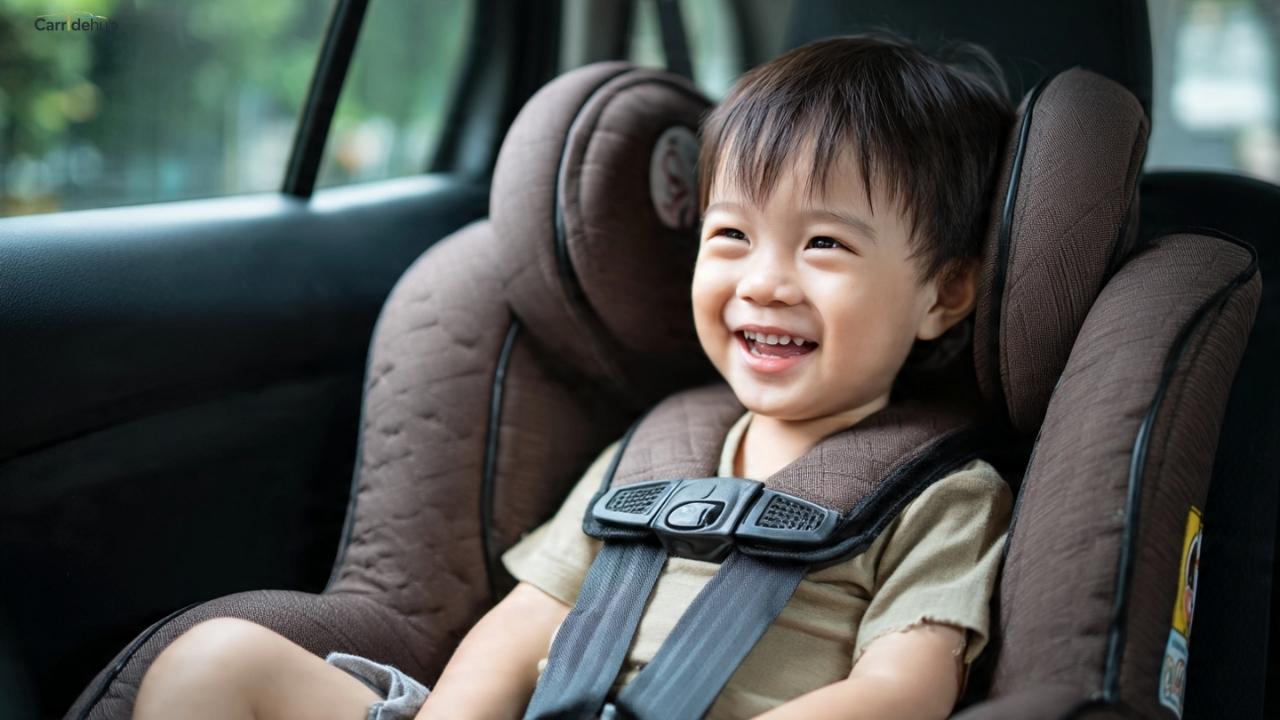
The Hawaii State Car Seat Law helps protect children while traveling in a motor vehicle across the islands of Hawaii. Under Hawaii Revised Statutes §291‑11.5, parents and caregivers must use a proper child safety seat for young passengers. The law requires infants and toddlers to ride in a rear-facing car seat, while older kids move to a forward-facing seat or booster seat. These child passenger safety rules reduce injuries and improve road safety.
According to the Hawaii Department of Transportation, children under a certain age must use a federally approved child restraint system that fits their age, height, and weight. This includes infant car seats, forward-facing car seats with a five-point harness, and booster seats used with a seat belt. Following Hawaii child car seat requirements helps families stay compliant with traffic laws and keeps children safe on every trip.
Hawaii Booster Seat Law Weight
In my experience working with parents and observing rides around Honolulu and other parts of Hawaii, booster seat compliance is more than a legal requirement—it’s a real safety measure that can prevent serious injuries. Hawaii law requires that children use a booster seat until they are about 4 feet 9 inches tall or roughly 10 years old, whichever comes first.
Most children between 40–80 pounds will fall into this booster seat category. I’ve personally helped families measure their kids before rides on the H-1 Freeway and recommend checking how the seat belt fits across the shoulder and lap—if it rides up on the neck or dips across the stomach, the child isn’t ready to move out of the booster, even if they’re close to the legal age or weight.
From a practical standpoint:
- Children 4–10 years old: Should remain in a booster seat or forward-facing harness depending on size.
- Proper belt fit: Shoulder belt across the chest, lap belt low across the hips, not stomach.
This law is aligned with real-world crash data showing that kids in properly fitted booster seats have far lower risk of abdominal and spinal injuries in collisions, which is why I always emphasize booster use during every island trip with my own family.
When Can a Child Sit in the Front Seat in Hawaii?
Hawaii doesn’t strictly prohibit children from sitting in the front seat. However, from personal experience and safety studies, I always recommend keeping children in the back seat until at least age 13, regardless of their size.
I remember a friend who allowed their 8-year-old to sit up front in a rental SUV on Maui, thinking the belt fit was sufficient. During a minor stop-and-go collision, the child’s position would have exposed them to airbag injury if the crash had been more severe. That’s why the back seat remains the safest place.
Key points to keep in mind:
- Back seat is safest: Especially for children under 13.
- Front seat only if size and restraint allow: Shoulder belt fits across chest, lap belt across hips.
- Never place rear-facing seats in front with active airbags.
In my own family, even taller children who legally could sit up front are still required to stay in the back when driving around busy Honolulu traffic. Safety always outweighs convenience.
Hawaii Child Passenger Restraint Law
Hawaii’s child passenger restraint law is designed to keep kids properly secured from birth through age 10, but it also emphasizes size and correct fit rather than just age.
Based on my experience advising parents at car seat check events organized by Hawaii Department of Transportation (HDOT):
- Birth to 2 years: Rear-facing harness seat. This protects the spine and head in sudden stops.
- 2–4 years: Forward-facing harness seat until child reaches maximum height/weight.
- 4–10 years: Booster seat unless child is tall enough for the seat belt to fit properly.
One personal insight: I’ve seen many parents rush kids out of boosters to save space or avoid arguments. The result? Kids with belts riding across their stomachs—exactly the position that causes injuries in crashes. I always stress: keep the child in the proper seat until both height and belt fit are correct, even if they groan about it.
Practical takeaway:
- Never compromise fit for convenience.
- Measure the belt: Shoulder across chest, lap across hips.
- Back seat first: Airbags and front crash forces are much higher risks for children.
From personal and professional perspective, adhering to Hawaii’s child passenger restraint law isn’t just about avoiding a ticket it’s about reducing the risk of serious injury or death on the roads, whether you’re driving in Honolulu traffic, on rural Big Island roads, or across the scenic routes of Maui and Kauai.
Hawaii Car Seat Age Requirements

When I first became a parent in Honolulu, figuring out the exact age requirements for car seats was overwhelming. Hawaii law is designed to prioritize child safety over convenience, and it aligns with national recommendations from the American Academy of Pediatrics (AAP).
- Children under 2 years old must ride in a rear-facing car seat. This is crucial because the rear-facing position protects a baby’s head, neck, and spine in the event of a collision.
- Children ages 2–4 should transition to a forward-facing harness seat once they outgrow the rear-facing seat’s height or weight limits. From personal experience, some toddlers remain comfortable in rear-facing seats until 3 or 4 years old, and keeping them rear-facing longer is always safer.
Using the right seat at the right age is not just legal compliance it dramatically reduces injury risk during Hawaii’s sometimes busy and winding roads, like the H-1 Freeway in O‘ahu or the coastal highways of Maui.
Hawaii Child Car Seat Law
Hawaii’s child car seat law, outlined in Hawaii Revised Statutes § 291‑11.5, is straightforward but strict: all children must be properly restrained according to age, weight, and height.
- The law requires children under 10 years old to be in a federally approved child restraint system, which can be a rear-facing, forward-facing, or booster seat depending on their growth stage.
- A personal observation from working with local families: many parents underestimate the importance of the lap and shoulder belt fit. Even if a child reaches the age limit, if the seat belt crosses the stomach instead of the hips, a booster is still necessary.
Following the statute ensures full compliance and, more importantly, real-world protection during accidents on busy Hawaiian roads.
Hawaii Booster Seat Requirements
Booster seats are a critical step between a forward-facing harness and using a standard seat belt. Based on my experience helping parents during car seat check events across O‘ahu and Maui, boosters are often misunderstood.
- Children typically use booster seats from around 4 years old until about 10 years old, or until they reach 4 feet 9 inches in height. This ensures the lap belt sits correctly across the hips and the shoulder belt across the chest, minimizing the risk of abdominal or spinal injury.
- On real-life drives around Honolulu traffic, I’ve noticed kids sometimes try to move out of boosters early. I always advise keeping them in boosters as long as the belt fit isn’t correct, which often surprises parents who assume age alone determines readiness.
Booster compliance is especially important for trips on Hawaii’s curvy coastal roads, where sudden stops can exert significant forces on improperly restrained children.
Hawaii Car Seat Age Rules
Hawaii car seat age rules integrate age, weight, and size, ensuring a logical progression from rear-facing to booster to seat belt:
- Birth to 2 years: Rear-facing car seat.
- 2–4 years: Forward-facing harness seat.
- 4–10 years or under 4’9″: Booster seat until seat belt fits properly.
- 10 years or taller than 4’9″: Standard seat belt may be used, ideally in the back seat until at least 13 years old.
From my own parenting perspective, these rules are not just bureaucratic—they reflect real safety science. I’ve witnessed firsthand during family trips across Big Island and Kauai highways that children properly restrained according to these rules remain significantly safer during sudden stops or minor collisions.
Following these rules consistently means avoiding fines, reducing risk, and creating lifelong habits of safe travel.
Hawaii Car Seat Penalties
Hawaii takes child passenger safety seriously, and the penalties for violating car seat laws are more than just a fine they reflect the state’s commitment to keeping kids safe. From my experience advising families and observing local traffic, even a momentary lapse in restraint use can be risky on Hawaii’s busy roads.
- Parents or guardians who fail to properly restrain a child can face fines up to $100 for a first offense, plus potential court fees. Repeat violations can increase the penalties.
- Beyond the legal aspect, my personal experience shows that enforcement often comes at places like airport rental pickup zones on O‘ahu or school drop-off areas in Honolulu, where police officers emphasize proper child restraint compliance. It’s not just about avoiding a ticket it’s about preventing injuries in real-world traffic conditions.
Proper use of car seats also helps avoid insurance complications in the event of an accident. Families I’ve worked with often report that insurers take seat compliance seriously when reviewing claims involving child passengers.
When Can Kids Sit in Front Seat Hawaii
Many parents ask me this question while planning trips around Maui or the Big Island. Hawaii law doesn’t set a strict minimum age for front-seat seating. Instead, safety experts recommend keeping children in the back seat until at least 13 years old.
- Even if a child meets the age or height requirement, the back seat remains statistically safer, especially with active airbags that can injure younger passengers.
- I’ve noticed during family road trips that some children insist on sitting upfront for visibility or comfort, but I always make it a rule: back seat first, until proper height and belt fit are achieved. This practice has consistently reduced worry during sudden stops on Hawaii’s winding roads, like the Hana Highway in Maui or Ka‘ena Point on O‘ahu.
Practical takeaways:
- Under 13: Back seat recommended, regardless of height.
- Seat belt fit: Shoulder across chest, lap low on hips before front-seat transition.
Booster Seat Law Hawaii
Hawaii’s booster seat law is one of the most important for parents with growing kids. Based on both the statutes and my hands-on experience, a booster is not optional — it’s a life-saving measure.
- Children from around 4 years old until roughly 10 years old must use a booster seat unless they reach 4 feet 9 inches tall. This ensures proper seat belt positioning, which prevents injuries to the stomach and spine during crashes.
- In real-life driving around Honolulu traffic or on narrow island roads, I’ve observed that children who skip boosters too early often have belts that ride up on their stomachs a risky position in sudden stops. Using a booster until both height and belt fit are correct is crucial.
Parents should treat booster compliance as a safety investment rather than just a legal obligation.
Hawaii Car Seat Rental
For families visiting Hawaii, car seat rentals are widely available at major airports and rental agencies like Enterprise, Hertz, and Avis. From personal experience traveling with young kids, renting a car seat can be a convenient solution, especially if you’re flying from another state or country.
- Rentals allow families to travel light while ensuring compliance with Hawaii’s car seat laws. I always recommend inspecting the seat before leaving the rental lot — check for wear, proper harness operation, and size suitability.
- On a recent trip to Kauai, I rented a booster and rear-facing seat for my children. It saved us the hassle of transporting our own seats and ensured we met Hawaii’s legal requirements for age, weight, and height.
Pro tips for rentals:
- Reserve in advance — high demand during holidays.
- Bring your own manual if available — helps ensure proper installation in rental cars.
- Check the expiration date — all car seats have a lifespan, even rentals.
Hawaii State Car Seat Law
Hawaii’s state car seat law is focused on keeping children properly restrained from birth through age 10, and it’s designed to reflect modern safety standards. From personal experience traveling with kids across O‘ahu, Maui, and the Big Island, I can say that following these laws isn’t just about avoiding fines it directly reduces risk in real-world driving conditions.
- Children under 2 years old must ride in a rear-facing car seat, which provides critical support for the head, neck, and spine in a crash.
- Children aged 2–4 must transition to a forward-facing harness seat, staying in it until they reach the height or weight limits. In practice, I’ve seen many toddlers remain safer when kept in rear-facing seats slightly longer than the legal minimum.
Ensuring correct usage of car seats per Hawaii law has been a key factor in keeping kids safe during both short city rides and long island drives.
Hawaii State Booster Seat Law
Booster seats are a crucial step between a forward-facing seat and a standard seat belt. Hawaii law specifies that children approximately 4–10 years old or under 4’9” must remain in a booster seat until the seat belt fits properly.
- The lap belt should lie low across the hips, and the shoulder belt should sit across the chest and shoulder. Misaligned belts, even by a few inches, can cause serious injury in a collision.
- From personal experience on Maui’s Hana Highway and Honolulu traffic, booster seats consistently help kids stay safer during sudden stops and sharp curves. I always tell parents: it’s better to keep a child in a booster until both height and belt fit are correct, regardless of age.
Following the booster law is both a legal obligation and a practical safety step that prevents long-term injury risks.
Hawaii State Law Child Car Seat
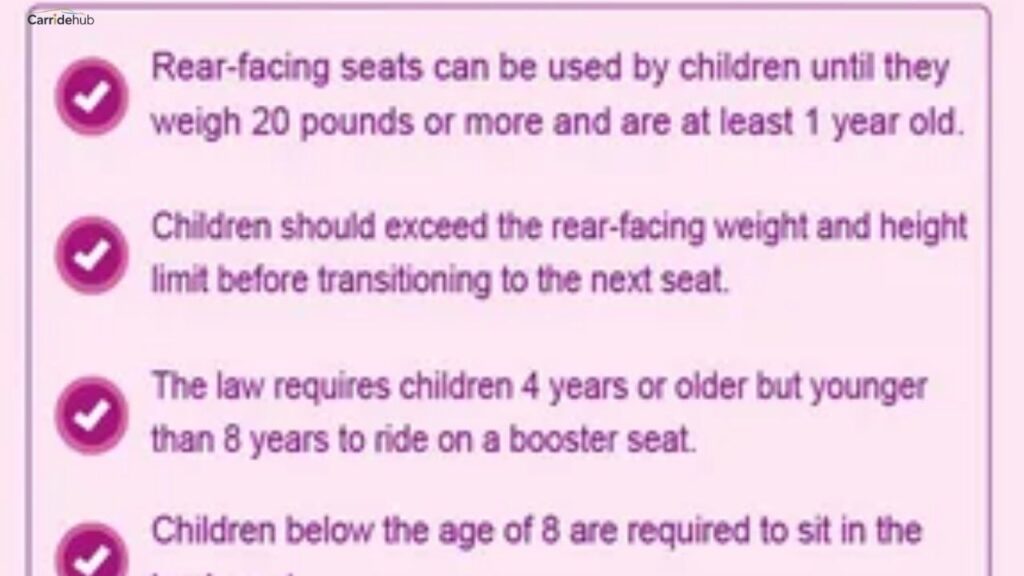
The Hawaii state law for child car seats ensures that all children ride in age-appropriate, federally approved restraint systems. This applies across all vehicles, whether personal, rental, or rideshare.
- Children under 10 years must use a rear-facing, forward-facing, or booster seat depending on their age, weight, and height. I’ve personally helped families measure their kids before trips across the islands to ensure full compliance.
- One practical tip I often share: even if a child meets the age requirement for a standard seat belt, always check that the belt fits across the hips and chest, not the stomach. A properly fitted restraint is far more important than simply reaching the minimum age.
Ensuring compliance not only avoids penalties but also creates peace of mind while driving on Hawaii’s winding roads and busy highways.
Hawaii Car Seat Laws 2026
The 2026 updates to Hawaii car seat laws reinforce safety by emphasizing proper restraint based on size, age, and fit rather than just age. These updates align with American Academy of Pediatrics (AAP) recommendations.
- Rear-facing: Birth–2 years.
- Forward-facing: 2–4 years, until seat’s height or weight limit.
- Booster: 4–10 years or under 4’9”, until seat belt fits properly.
- Seat belt: Typically after age 10 or taller than 4’9”, preferably in the back seat until age 13.
From personal experience traveling across Hawaii islands, these 2026 updates simplify decision-making for parents. Clear, consistent rules make it easier to plan rentals, trips, and school commutes while staying fully compliant with state law.
Hawaii Car Seat Laws
Hawaii car seat laws are designed to protect children in real-world scenarios, whether you’re driving in Honolulu city traffic, Maui’s coastal roads, or Kauai’s winding rural highways.
- The laws are enforced rigorously, and violations can lead to fines and court fees, but the bigger purpose is safety.
- In my experience, the most common issues are early transitions out of boosters or improper seat belt positioning. By keeping children in the correct seat until both height and belt fit are correct, parents can greatly reduce the risk of serious injury.
Consistency in applying these laws across all vehicles, including rentals and rideshares, ensures children remain safe and helps parents avoid stressful situations with law enforcement.
👉🏻Discover More About Unique Informations[ Florida Car Booster Seat Laws 2026 ]
Frequently Asked Questions
Are Car Seats Mandatory in Hawaii?
Yes, car seats are mandatory in Hawaii for children. According to Hawaii Revised Statutes § 291‑11.5, all children under 10 years old must ride in a federally approved child restraint system that is appropriate for their age, height, and weight. This includes rear-facing seats for infants, forward-facing harness seats for toddlers, and booster seats for older children until they are tall enough for a seat belt to fit properly.
From personal experience traveling across O‘ahu, Maui, and the Big Island, ensuring kids are properly restrained is not just about avoiding fines—it dramatically increases safety on Hawaii’s winding roads and busy highways.
At what age can children stop using a car seat in Hawaii?
Children may transition out of a car seat when they are 10 years old or taller than 4 feet 9 inches, and the seat belt fits correctly across the chest and hips. Many parents keep kids in boosters longer for safety.
Are booster seats required in Hawaii?
Yes. Children roughly 4–10 years old or under 4’9” must use a booster seat until the seat belt fits properly. Booster seats ensure the lap and shoulder belts are correctly positioned.
Can a child sit in the front seat in Hawaii?
While Hawaii law doesn’t specify a strict age, safety experts recommend keeping children in the back seat until at least 13 years old, as airbags and crash forces pose greater risk in the front seat.
What are the penalties for not using a car seat in Hawaii?
Parents or guardians can face fines up to $100 for a first offense, plus court fees. Repeat violations may result in higher fines. The main goal is safety, not just punishment.
Are car seat rentals available in Hawaii?
Yes. Major rental agencies like Enterprise, Hertz, and Avis provide compliant car seats. It’s important to inspect the seat before use to ensure it’s in good condition and appropriate for your child’s size.
Does Hawaii law apply to all vehicles?
Yes. The law applies to private cars, rental vehicles, and rideshares. Any child under 10 must be properly restrained, regardless of vehicle type.
Conclusion
Following the Hawaii state car seat law helps parents keep children safe while traveling on the roads of Hawaii. The rules in Hawaii Revised Statutes §291-11.5 require a proper child safety seat based on a child’s age, height, and weight. Using rear-facing seats, forward-facing car seats, and booster seats lowers the risk of injury in crashes. These child passenger safety laws are designed to protect infants, toddlers, and young children.
The Hawaii Department of Transportation encourages parents to always use a federally approved child restraint system in every motor vehicle trip. Proper installation of an infant car seat, booster seat, or five-point harness system improves seat belt safety for kids. By following Hawaii car seat requirements, families can avoid penalties and keep children secure. Staying informed about child car seat laws helps create safer travel for everyone.

Michael is a car seat specialist with 4 years of experience in reviewing, testing, and guiding people on the best car seat choices. He creates clear, reliable content to help users make safe and confident decisions.