

Ensuring child passenger safety has always been my top priority, especially as a parent navigating the roads of New Jersey. Understanding the New Jersey car seat law is crucial to keep little ones secure, whether in rear-facing car seats, forward-facing car seats, or booster seats. These age-appropriate car seats come with weight and height limits, and following manufacturer safety instructions ensures proper seat belt fit and back seat safety. From five-point harnesses to chest clip placement, every detail matters to prevent injuries during unexpected moments on the road.
Beyond cars, the law also covers school bus seat belts, requiring three-point seat belts for added security, while car seat regulations set clear standards for car seat installation, proper harness adjustment, and securing a child in a car seat. I’ve personally learned the importance of avoiding common car seat mistakes, like ignoring car seat expiration or letting kids ride in the front seat, where airbag risks can be fatal. Regular car seat inspection by the New Jersey State Police safety inspections and car seat replacement after a crash are simple steps that give peace of mind while staying compliant with vehicle passenger laws and motor vehicle safety for children.
What the New Car Seat Law Says in New Jersey
As a parent and someone who has spent countless hours ensuring car safety for my own children, I understand how overwhelming it can feel to navigate the world of car seats. Fortunately, New Jersey’s car seat law formally known as An Act Concerning Child Passenger Restraint Systems lays out clear guidelines to help parents keep their kids safe while traveling.
The law is very specific about age, weight, and height requirements:
- Rear-Facing Seats: Children under 2 years old and weighing less than 30 pounds are required to ride in rear-facing car seats. From my experience, these seats are not just a legal requirement—they are the safest position for infants and toddlers, protecting their head and spine in case of sudden stops or collisions.
- Extended Rear-Facing with Harness: Children under 4 years old and weighing less than 40 pounds must remain in rear-facing seats with a five-point harness. It’s crucial to follow the car seat manufacturer’s guidelines for weight and height limits, even if your child seems “ready” to transition. I’ve seen firsthand how parents underestimate growth spurts, which is why keeping them rear-facing longer can dramatically reduce injury risk.
- Booster Seats: Once children are ages 4 through 7, they should use a booster seat in the back seat until they reach age 8 or 57 inches tall. This law ensures that the vehicle’s seat belt fits properly, reducing the risk of abdominal or neck injuries.
- Seat Belt Use: Children older than 8 years or taller than 57 inches may ride in the back seat using the standard seat belt. While New Jersey law doesn’t specify a front seat age, expert organizations like the American Academy of Pediatrics (AAP), Centers for Disease Control and Prevention (CDC), and National Highway Traffic Safety Administration (NHTSA) strongly recommend keeping kids under 13 in the back for optimal safety.
- School Buses: In a tragic reminder of the importance of seat belts, New Jersey law now requires school buses to have three-point seat belts after a deadly crash claimed the lives of a student and a teacher, leaving 43 others injured. However, school buses remain exempt from the other child car seat rules.
From my personal experience, the combination of law and professional recommendations provides a strong safety net. Following these rules isn’t just about avoiding fines; it’s about building habits that protect your children every time you hit the road. When I installed my own children’s Britax Car Seats and Graco Car Seats, I noticed the peace of mind that comes from knowing they’re secure in their seats, especially during long drives.
Keeping up with New Jersey car seat law may feel daunting at first, but once you understand the age, weight, and height requirements and pair them with expert safety tips you can ensure your child rides safely every mile of the way.
Penalties for Violating New Jersey Car Seat Laws
As a parent, I know how easy it can be to overlook the details of car seat safety, especially during busy mornings or last-minute errands. But New Jersey’s car seat law is very clear: failing to comply with the rules carries real consequences.
Parents who do not follow the law may face fines ranging from $50 to $75. While this might seem modest, the real focus is safety these penalties exist because improper car seat use significantly increases the risk of injury in a crash. I’ve personally seen families underestimate how quickly a child can grow out of a seat, and a quick trip without proper restraints can turn dangerous in an instant.
Importantly, the law provides no exemptions, even if parents believe they are following the manufacturer’s recommendations for car seat use. This means that relying solely on the product’s guidelines is not enough; you must also adhere to the state’s legal requirements. In my experience, cross-checking the Britax Car Seats or Graco Car Seats guidelines with New Jersey’s legal mandates ensures both compliance and maximum safety for your child.
From my perspective, these penalties are less about punishment and more about accountability. They encourage parents to prioritize proper installation and consistent use of car seats, which ultimately protects children and gives families peace of mind on every journey. I’ve personally found that keeping a checklist of age, weight, and height requirements alongside the car seat manual helps avoid both fines and safety risks.
Following these rules may feel strict, but the combination of legal requirements and manufacturer instructions creates the safest environment for children. Observing the law ensures that every ride whether across town or on a long road trip is as secure as possible.
Common Mistakes with Car Seats
From years of working with families and helping parents install car seats, I’ve noticed that even well-intentioned caregivers can make critical mistakes that compromise child safety. Car seats are only effective when used correctly, and these common errors are surprisingly frequent.
- Using an Expired Car Seat: Many parents don’t realize that car seats have a lifespan of about six years. Over time, the materials degrade, and the protective capabilities diminish. I’ve seen parents think a seat still “looks fine,” but even minor wear and tear can make a difference in a crash. Always check the manufacture date on your Britax Car Seats or Graco Car Seats before use.
- Loose Restraints: Securing your child too loosely is a common error. Straps should be snug but not uncomfortable. Winter jackets and snowsuits can add bulk, causing the harness to sit too loosely, which reduces protection. From personal experience, removing thick coats before buckling in cold months makes a significant difference.
- Failure to Adjust for Growth: Children grow quickly, and car seats need to be adjusted accordingly. Harness height, recline angle, and booster positions should be updated as your child gains height and weight. I’ve found that setting reminders to check adjustments every few months prevents the seat from becoming unsafe.
- Allowing Children to Sit in the Front Seat: Many kids beg to sit upfront, but airbags in the passenger seat can be deadly for younger children. Following guidance from the American Academy of Pediatrics (AAP) and National Highway Traffic Safety Administration (NHTSA), keeping kids in the back seat until at least age 13 is the safest choice.
- Improper Installation: Even high-quality seats fail if installed incorrectly. Rear-facing car seats, in particular, can be tricky. When in doubt, seek help from trained professionals or utilize resources like New Jersey State Police monthly safety seat inspections, which offer hands-on guidance for parents. I’ve personally guided families through these inspections, and the peace of mind is invaluable.
Avoiding these mistakes isn’t just about compliance it’s about giving your child the best possible protection on every trip. By combining manufacturer guidelines, state laws, and expert recommendations, you ensure that car seats do exactly what they’re designed to do: keep your children safe.
New Jersey Child Safety Seat Laws
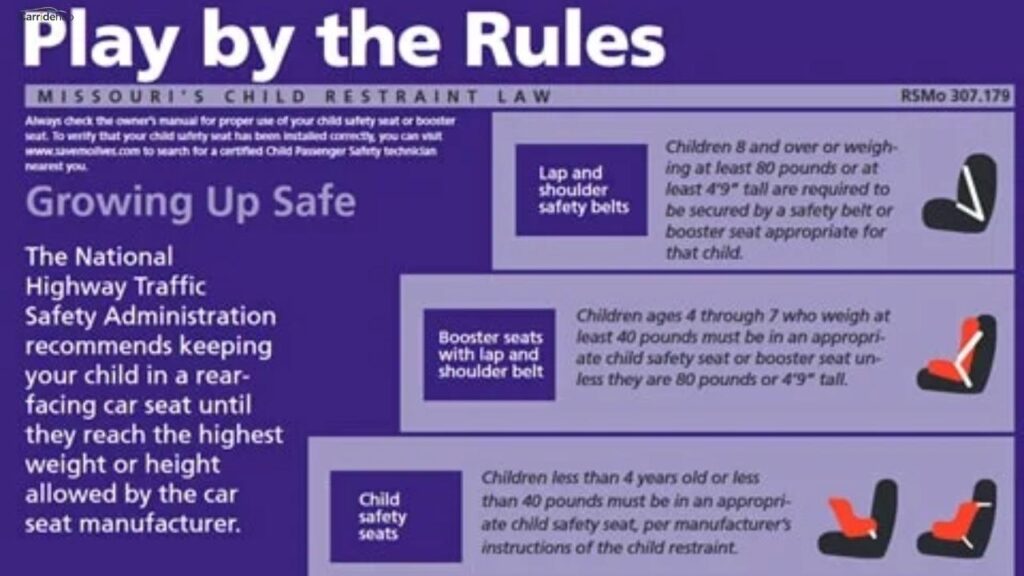
As a parent who has spent countless hours securing car seats for my own children, I can attest that understanding the New Jersey child safety seat laws is not just about compliance it’s about protecting your child in the moments that matter most. These laws are designed with both age and height in mind, ensuring that each child has the proper restraint for their size and developmental stage.
Here’s how New Jersey law breaks it down:
- Rear-Facing Seats (Under 2 Years / Under 30 Pounds):
Children under 2 years old and weighing less than 30 pounds must ride in a rear-facing seat with a 5-point harness. From personal experience, this setup provides the best protection for an infant’s head, neck, and spine in the event of sudden braking or collisions. When I installed my child’s Britax Car Seats, I noticed how much more secure they were compared to the old seat we had. - Forward-Facing Transition (Under 4 Years / Under 40 Pounds):
Once a child surpasses the rear-facing seat limits, they should transition to a forward-facing seat with a 5-point harness. Many parents underestimate growth spurts, but adjusting the harness and recline angle as recommended by the Graco Car Seats ensures both comfort and safety. - Booster Seats (Under 8 Years / Under 57 Inches):
Children under 8 or shorter than 57 inches must continue using a belt-positioning booster seat after outgrowing their forward-facing seat. This ensures the vehicle seat belt fits properly across the chest and hips, reducing the risk of abdominal injuries. I’ve personally seen families make small adjustments to boosters that significantly improve both safety and comfort during long drives. - Seat Belt Only (Over 8 Years / Over 57 Inches):
Once children surpass 8 years of age or 57 inches in height, they may use a regular seat belt. While this seems straightforward, proper seat belt fit is still essential; the lap belt should sit low on the hips, not the stomach, and the shoulder belt should cross the chest without touching the neck. - Front Seat Exception:
If a vehicle lacks rear seats, children may sit in the front following the same rules, except they cannot use a rear-facing seat in front of an active passenger-side airbag. The airbag must be deactivated to allow rear-facing seats up front. From my experience attending New Jersey State Police Safety Seat Inspections, proper attention to airbags is critical; even small oversights can compromise the safest setups.
Following these laws, alongside manufacturer guidelines and professional advice, ensures that your child is properly secured on every ride. In my experience, combining state regulations with expert recommendations creates peace of mind for parents and maximum protection for children.
What Does New Jersey Law Say About Car Seats?
As a parent who has navigated countless car seat installations, I can tell you that understanding New Jersey car seat laws is essential not just to stay compliant, but to truly protect your child in every journey. Car accidents remain one of the leading causes of child fatalities in the U.S., yet proper use of car seats has saved thousands of lives. According to the Centers for Disease Control and Prevention (CDC), car seats reduce fatal injury risk for infants by 71% and toddlers by 54%, while overall child death risk in crashes drops by up to 82% compared to seat belts alone.
New Jersey has codified laws for child passenger safety that align closely with guidance from the American Academy of Pediatrics (AAP) and the National Highway Traffic Safety Administration (NHTSA). Here’s a breakdown based on age, weight, and height:
- Rear-Facing Seats (Under 2 Years / <30 Pounds):
Children under 2 years old and weighing less than 30 pounds must ride in a rear-facing car seat with a 5-point harness. From personal experience, keeping infants rear-facing for as long as possible is critical for protecting their fragile necks and spines. High-quality options like Britax Car Seats provide adjustable harnesses and reinforced frames that improve safety. - Forward-Facing Seats (Under 4 Years / <40 Pounds):
Once children exceed rear-facing seat limits, they transition to a forward-facing seat with a 5-point harness. I’ve found that many parents underestimate how quickly a child’s height can affect harness fit regular adjustments are key. Trusted brands like Graco Car Seats make these transitions safer and easier. - Booster Seats (Under 8 Years / <57 Inches):
Children under 8 or shorter than 57 inches must continue using a booster seat after outgrowing their forward-facing seat. Booster seats properly position the vehicle’s seat belt across the child’s hips and chest, which is crucial in a collision. In my own experience, skipping a booster even when a child seems “ready” can result in the lap belt riding too high on the stomach, which is extremely dangerous. - Seat Belt Only (Over 8 Years / ≥57 Inches):
Once a child is over 8 years old or taller than 57 inches, they can use a standard seat belt. However, proper fit is still critical: the lap belt should sit on the hips, and the shoulder belt should cross the chest, not the neck. I always recommend parents test seat belt fit in each vehicle because back seat dimensions can vary between makes and models. - Front Seat Considerations:
Children may ride in the front seat only if the vehicle has no rear seat. Even then, rear-facing seats in front are strictly prohibited if the passenger airbag is active. The deployment force of airbags can be fatal for small children, so always disable the airbag when necessary. Local resources like New Jersey State Police Safety Seat Inspections provide guidance and hands-on checks to ensure front seat arrangements are safe. - Common Pitfalls:
Many parents prematurely move children to the next car seat stage, install seats too loosely, or fail to use top tethers. From personal experience, booking a professional inspection for your car seat even if you’ve installed it “correctly” can prevent small mistakes that have big consequences.
Following New Jersey law, combined with manufacturer instructions and expert guidance, ensures that every ride is as safe as possible. For families in Cherry Hill, NJ, Pennsauken, NJ, or Collingswood, NJ, utilizing local inspection programs and car seat technicians gives peace of mind and compliance with state regulations.
When Can a Child Sit in the Front Seat in New Jersey
Deciding when your child can sit in the front seat is one of the most common questions parents ask. In New Jersey, the law doesn’t set a strict minimum age for front-seat passengers. Instead, the recommendation aligned with the American Academy of Pediatrics (AAP) and National Highway Traffic Safety Administration (NHTSA) is to keep children under 13 years old in the back seat whenever possible. From personal experience, even when kids plead to ride upfront, I’ve always kept my own children in the back until they were well over 12. The back seat is simply the safest spot, away from the force of airbags and frontal collision impacts.
It’s also important to note that rear-facing seats should never be placed in the front seat if the passenger-side airbag is active. In trucks, sports cars, or vehicles without rear seats, front-seat riding is allowed only if the airbag is disabled. I’ve personally attended New Jersey State Police Safety Seat Inspections, and technicians consistently emphasize checking airbag status before allowing front-seat seating. Small details like these can make the difference between safety and serious injury.
Backless Booster Seat Age New Jersey
Parents often wonder when it’s safe to transition their child from a forward-facing seat to a backless booster. In New Jersey, children generally start using a backless booster seat around age 4 to 7, once they exceed the forward-facing car seat limits but are still under 57 inches in height. From my experience, age isn’t the only factor weight, height, and maturity matter. I’ve seen children under 7 who weren’t ready to sit properly without support, which is why some parents prefer high-back boosters for longer.
Backless boosters are convenient and portable, making carpooling or travel easier, but they still ensure that the vehicle’s seat belt sits correctly across the child’s lap and shoulder. When my own child used a Evenflo Shyft Booster Seat, I noticed how it allowed for proper seat belt positioning while giving them a sense of independence. However, I always monitored posture during longer drives, because children can slouch, reducing safety.
Booster Seat Requirements NJ
New Jersey law requires that children who have outgrown their forward-facing car seat but are under 8 years old or shorter than 57 inches must ride in a booster seat. This ensures that the vehicle’s lap and shoulder belts fit correctly. From my experience, many parents underestimate the importance of proper belt fit. Without a booster, the lap belt may ride up onto the stomach and the shoulder belt may touch the neck, increasing the risk of injury in a crash.
Booster seat use is also about teaching safety habits. Using a Graco Booster Seats helped my child learn how to sit upright and maintain proper seat belt position independently. In vehicles with different seat configurations, it’s crucial to test each seat, as back seat width and seat belt routing vary across models. Following NJ booster seat requirements not only keeps children legal but significantly increases their safety on every ride.
Height and Weight for Booster Seat NJ
In New Jersey, booster seat requirements are based on a combination of height and weight, rather than just age. Children who have outgrown their forward-facing car seats but are under 8 years old or shorter than 57 inches must ride in a booster seat until they meet these thresholds. From my experience, many parents rely solely on age, but I’ve found that monitoring height and weight ensures the seat belt fits correctly, which is the most important factor for safety.
Booster seats elevate a child so that the vehicle’s lap and shoulder belts sit properly across the hips and collarbone instead of the stomach and neck. I personally prefer using Graco Booster Seats or Evenflo Shyft Booster Seat because they provide adjustable height and clear belt guides. Testing the fit in each vehicle is essential since back seat dimensions and seat belt anchors vary across car models, ensuring the booster does its job safely.
How Much Do You Have to Weigh to Sit in the Front Seat in NJ
New Jersey law does not set a strict weight requirement for children to ride in the front seat, but safety organizations such as the AAP and NHTSA recommend that children under 57 inches tall or under 8 years old remain in the back seat. Weight is an important factor because heavier children may sit safely in the front seat earlier than lighter children of the same age, but airbags pose a serious risk for small children.
From my personal experience, even children who meet weight recommendations can still be unsafe in the front seat if they are too short to sit correctly with the seat belt. I always measure my child and ensure the lap belt lies across the hips and the shoulder belt across the chest before allowing any front-seat travel. Vehicles with passenger airbags require extra caution, and I strongly advise parents to use New Jersey State Police Safety Seat Inspections to confirm safety setups when the back seat isn’t an option.
Can a 10-Year-Old Sit in the Front Seat in NJ

Technically, a 10-year-old can sit in the front seat in New Jersey, but experts strongly recommend keeping children under 13 years old in the back. From my own experience, I’ve waited until my children were taller than 57 inches and mature enough to sit upright for the entire ride before allowing them in the front. The back seat provides the safest protection from frontal collisions and airbags.
Even for a 10-year-old, positioning matters. I always make sure the seat belt fits snugly, the child can sit all the way back with feet flat, and the shoulder belt rests across the collarbone. Using a booster or adjustable seat in the back can prolong safe positioning, while in vehicles with no rear seat, disabling the passenger airbag is critical. Following these precautions ensures a 10-year-old rides safely in compliance with NJ recommendations and expert guidance.
👉🏻Discover More About Unique Information[ Indiana Car Seat Laws 2026 ]
Frequently Asked Questions
1. At what age can a child legally sit in the front seat in New Jersey?
In New Jersey, there is no strict legal age for front-seat travel. However, experts including the American Academy of Pediatrics (AAP) and National Highway Traffic Safety Administration (NHTSA) recommend keeping children under 13 years old in the back seat. This is because back seats provide safer protection from frontal collisions and airbags. Always ensure the child can sit upright with proper seat belt positioning if traveling up front.
2. When should a child transition from a forward-facing car seat to a booster seat in NJ?
Children should move to a booster seat once they have outgrown their forward-facing seat but are still under 8 years old or shorter than 57 inches. Boosters position the lap and shoulder belts correctly across the child’s hips and chest, reducing injury risk. Checking height and weight rather than age alone is crucial for safe transitions.
3. Can a 10-year-old sit in the front seat in New Jersey?
Yes, a 10-year-old can legally sit in the front seat, but it’s safer to remain in the back until at least age 13. The child should be tall enough (over 57 inches) for the seat belt to fit correctly, and if the vehicle has no back seat, the passenger airbag must be disabled for any rear-facing or younger child.
4. What height and weight requirements apply for booster seats in New Jersey?
A child must use a booster seat until they are at least 8 years old and 57 inches tall. Weight limits vary depending on the booster model, but generally, children should be heavy enough to sit safely in the seat belt without the booster. I always recommend checking specific Graco Booster Seats or Evenflo Shyft Booster Seat guidelines for weight limits.
5. Are backless booster seats safe for children in New Jersey?
Backless boosters are safe when the child can maintain proper posture and the vehicle’s seat belt fits correctly across the lap and shoulder. Children typically start using backless boosters around age 4–7, depending on size and maturity. I’ve personally observed that children who slouch or shift in the seat may benefit more from a high-back booster, especially on long trips or in vehicles with tall seat backs.
6. What are common mistakes parents make with car seats and boosters in NJ?
Common errors include:
- Installing the seat too loosely or incorrectly.
- Skipping the top tether for forward-facing seats.
- Transitioning children too early from car seats to boosters.
- Failing to adjust straps as the child grows.
- Letting children ride in the front seat prematurely.
From experience, even minor installation mistakes can reduce safety significantly. Booking a New Jersey State Police Safety Seat Inspections is highly recommended to ensure your child’s car seat or booster is installed correctly.
Conclusion
Following the New Jersey car seat law is essential for ensuring child passenger safety on every ride. By properly using rear-facing car seats, forward-facing car seats, and belt positioning booster seats, parents can maintain seat belt safety while adhering to age-appropriate car seats, weight and height limits, and 5-point harnesses. From my experience, proper child seat installation and attention to car seat upper limits make a huge difference in back seat safety and overall child protection in cars.
It’s also important to consider front seat safety, the risks of passenger-side airbags, and using airbag deactivation when necessary. Following child restraint requirements, booster seat requirements, and age-based car seat rules ensures securing children in vehicles at every stage. Staying informed on motor vehicle child restraints, car seat transition stages, child safety regulations, and vehicle passenger laws helps parents achieve full compliance with car seat rules while keeping every journey safe, comfortable, and worry-free.

Michael is a car seat specialist with 4 years of experience in reviewing, testing, and guiding people on the best car seat choices. He creates clear, reliable content to help users make safe and confident decisions.