
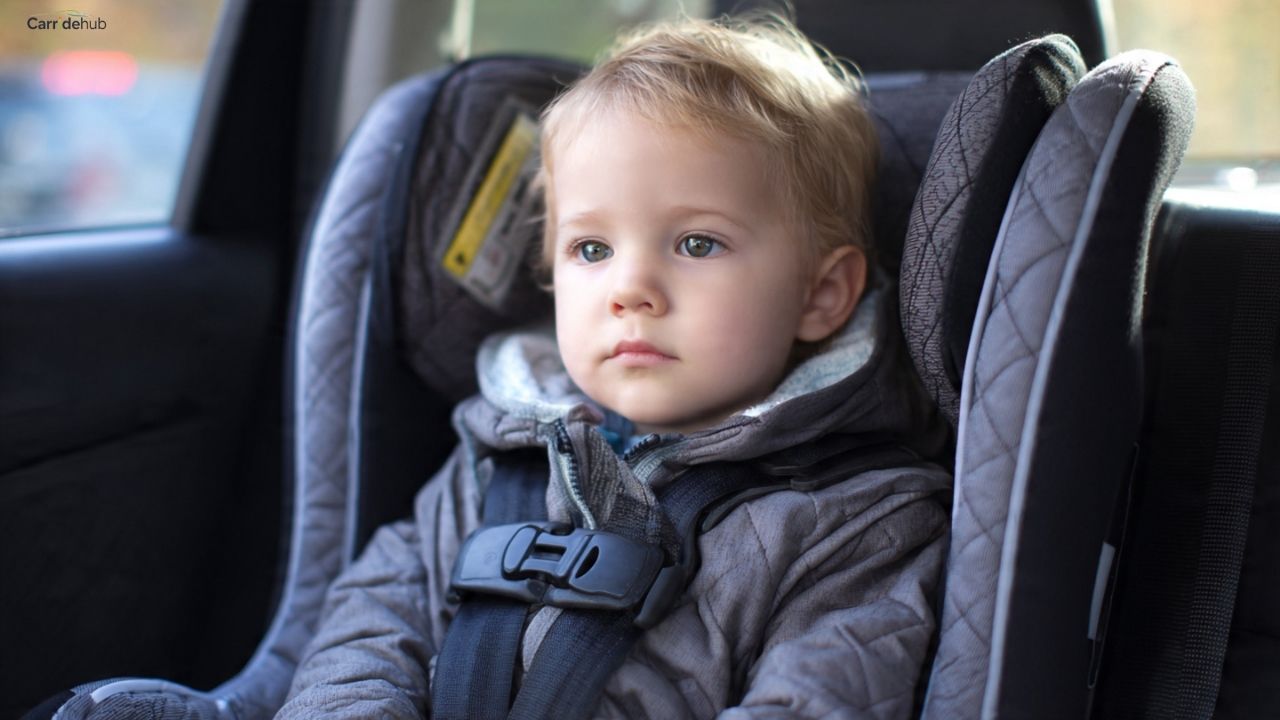
Understanding Alabama car seat safety laws is essential for every parent and caregiver to ensure child passenger safety on the road. From my experience attending local car seat clinics hosted by the Alabama Department of Public Health, I’ve seen how proper car seat installation by certified child passenger safety technicians dramatically reduces the risk of injury in accidents. These laws cover rear-facing car seats, forward-facing seats, booster seat laws, and seat belt requirements, making sure children ride safely according to age, height, and weight limits.
Following the latest American Academy of Pediatrics recommendations, children should stay in rear-facing or forward-facing seats as long as possible before transitioning to booster seats. Programs like SafeKids Worldwide and local initiatives in Montgomery, Birmingham, Mobile, and Huntsville offer free car seat programs through Medicaid, WIC, or public assistance. Ensuring proper child restraint system compliance not only prevents traumatic injuries, fractures, and spinal cord damage but also helps families avoid fines and points for violations while protecting their most valuable passengers.
Alabama Car and Booster Seat Laws 2026: Expert Parent’s Safety Guide
Alabama’s car and booster seat laws are designed to keep children safe on every ride, not just to follow the rules. As a parent who’s spent countless hours adjusting car seats and double-checking harnesses, I’ve learned that knowing the law and using the right seat can make a life-changing difference in an accident.
Car Seat Laws in Alabama
In Alabama, infants and young children must ride in age- and size-appropriate car seats. Here’s how it works in practice:
- Rear-facing seats are for newborns and toddlers until they reach the seat’s maximum weight or height, usually around 2–3 years old. Rear-facing is safest because it supports the head, neck, and spine during sudden stops.
- Forward-facing seats come next, typically for kids aged 2–5 years, depending on size. A five-point harness keeps your child snug and secure, minimizing injury in a crash.
- Combination seats can grow with your child, starting as forward-facing harnesses and later converting to booster seats once your child reaches the upper limits.
From personal experience, switching too early from rear-facing can lead to unnecessary risk. I’ve seen even minor bumps jolt a forward-facing toddler far more than a rear-facing child.
Booster Seat Laws in Alabama
Once a child outgrows their forward-facing seat, they should move to a booster seat, usually around ages 4–6 or 40–60 pounds. The booster ensures that the vehicle’s seat belt fits correctly across the child’s shoulder and lap.
I always make sure my kids stay in boosters longer than the minimum. Many parents rush them to regular seat belts, but keeping them in boosters ensures the belt doesn’t ride too high on the stomach or neck preventing serious injury in a crash.
Seat Belt Laws for Older Children and Adults
Children over 6 years old or taller than 4’9” should use the vehicle’s standard seat belt, preferably in the back seat. Experts, including pediatric safety advisors, recommend kids stay in the back seat until at least 13 years old, even if the seat belt fits, because airbags can be dangerous for younger children.
Adults must also wear seat belts at all times. I’ve seen firsthand how quickly accidents escalate when someone isn’t restrained even a small fender bender can become dangerous.
Practical Tips for Parents
- Always read the seat instructions: Every seat is different, and following the manual prevents mistakes.
- Check the installation: Seats should not move more than an inch side-to-side or front-to-back at the base.
- Use LATCH or seat belts correctly: Both methods work, but ensure they’re tight and secure.
- Keep children rear-facing as long as possible: This is the safest position for toddlers.
- Consider professional help: Many hospitals and fire departments offer car seat checks, which I highly recommend for peace of mind.
Why Do Children Need to Ride in Safety Seats: Expert Parent’s Guide
As a parent, I’ve often thought a short drive around town was harmless — until I realized that motor vehicle accidents are the leading cause of death for children in the United States. It’s shocking, but true: hundreds of children die and thousands are seriously injured every year because they were not properly restrained. Understanding this reality completely changed how I handle every car ride with my kids.
The Importance of Proper Restraints
Children are not just “small adults.” Their bones, necks, and spines are far more vulnerable in a crash. That’s why using the right car seat or booster seat isn’t optional — it’s a lifesaving measure.
- Car seats for infants and toddlers: Proper rear-facing and forward-facing seats reduce injury risk by 71–82% compared to using a seat belt alone. I always keep my children in rear-facing seats longer than the minimum age because it provides extra protection for the head and neck, which is crucial in sudden stops.
- Booster seats for older children: Children aged 4–8 benefit significantly from boosters, which reduce serious injury by 45% compared to seat belts alone. Booster seats position the seat belt correctly across the child’s shoulder and lap, rather than across the neck or stomach.
Real-World Impact
From personal experience, even short drives without proper restraints feel risky. I’ve seen other parents underestimate booster seats, thinking a standard seat belt is “good enough.” But the truth is, a misaligned belt can cause severe injuries in ways that are not immediately obvious. Keeping children in appropriate safety seats until they outgrow height and weight limits has made my family rides far safer.
Legal Protections and Alabama’s Car Seat Laws
States like Alabama have enacted child passenger safety laws to make proper restraint mandatory. These laws require children to be in age- and size-appropriate car seats or booster seats, reflecting Centers for Disease Control (CDC) recommendations and safety research. Following these laws isn’t just about compliance; it’s about giving children the maximum protection in every ride.
Practical Tips for Parents
- Always check the weight and height limits of your car seat or booster even within the same brand, limits vary.
- Use the LATCH system or seat belt installation carefully a loose installation can drastically reduce safety.
- Keep children rear-facing as long as possible, even past the minimum age, for extra protection.
- Get professional guidance: Certified technicians at child passenger safety inspection stations can verify proper installation and provide peace of mind.
What Are Alabama’s Car Seat and Booster Seat Laws: Parent’s Safety Guide 2026

As a parent, I quickly realized that driving with kids isn’t just about getting from point A to B safely — it’s about making sure they’re properly restrained every single time. Alabama’s car seat and booster seat laws exist to protect children in ways that seat belts alone simply cannot. From my personal experience, even short trips around town can be dangerous if a child is not properly secured.
Overview of Alabama’s Child Passenger Safety Laws
The current laws became effective July 1, 2006, and require anyone transporting a child in a vehicle to use a child passenger restraint system that meets or exceeds federal motor vehicle safety standards. This includes cars, vans, and SUVs, covering nearly every family vehicle on the road.
Violating these laws can result in fines and points on your driver’s license, so it’s not just about safety it’s also about compliance.
Age and Size-Based Requirements
Alabama law clearly outlines which children need which type of seat:
- Birth to 1 year or 20 pounds: Must ride in a rear-facing infant-only or convertible seat. I’ve personally kept my own children rear-facing longer than the minimum because it provides maximum protection for the neck and spine in sudden stops.
- 1 year/20 pounds to 5 years/40 pounds: Must ride in a forward-facing car seat or convertible seat facing forward. Forward-facing seats with a harness system give toddlers snug security while allowing them a little more mobility.
- 5 years/40 pounds to 6 years: Must ride in a booster seat, which ensures that the seat belt fits properly across the shoulder and lap. I can’t stress enough how many parents overlook booster seats, thinking a standard seat belt is enough — this small step can make a major difference in safety.
- 6 to 15 years: Must use a seat belt. Safety experts recommend that children stay in the back seat until at least 13, even if they fit the seat belt, because airbags and front-seat collisions pose extra risks.
Importance of Correct Installation
Even the best car seat or booster seat can fail if installed incorrectly. From hands-on experience, many parents tighten the seat belt too loosely or place the chest clip incorrectly, reducing protection in a crash. Alabama offers several resources to help:
- Alabama Department of Public Health (ADPH) conducts monthly car seat clinics at the State Farmers Market in Montgomery, where certified child passenger safety technicians assist with installation. Call 251-850-5528 to schedule an appointment.
- Free car seat programs are available for pregnant women receiving Medicaid, WIC, or public assistance, in cities including Mobile, Huntsville, Birmingham, and Tuscaloosa.
- Inspection stations through SafeKids Worldwide, hospitals, and other organizations can verify proper installation. Always call ahead, as schedules or availability may change.
Expert Tips from a Parent
- Follow the manufacturer’s instructions exactly — every seat is slightly different.
- Use the LATCH system or seat belt installation properly, and check for less than 1-inch movement at the base.
- Keep children rear-facing as long as possible, even past the minimum age.
- Don’t rush to move kids out of booster seats; proper seat belt fit is crucial for children under 4’9”.
- Consider professional installation checks whenever possible — the peace of mind is worth it.
New Recommendations for Car Seat Safety in Alabama: Expert Parent’s Guide 2026
As a parent, I quickly realized that car seat rules aren’t just suggestions—they’re lifesaving guidelines. Over the years, the recommendations for child passenger safety have evolved, and Alabama parents need to stay informed to keep their children safe on the road.
Updated Guidance from the American Academy of Pediatrics (AAP)
In 2018, the American Academy of Pediatrics (AAP) revised its recommendations for child car seats. Gone are the days when children were expected to switch to front-facing seats at age 2. Instead, the guidance now emphasizes:
- Rear-facing seats as long as possible: Children should stay in rear-facing seats until they reach the maximum height or weight limits set by the manufacturer. From my own experience, keeping toddlers rear-facing until even 3 or 4 years old provides unmatched protection for the head, neck, and spine in sudden stops.
- Front-facing seats: Once a child outgrows a rear-facing seat, they should remain in a forward-facing car seat with a harness until they reach the seat’s height or weight limit—often up to 60 pounds. I’ve noticed that many parents transition too early, but following this limit significantly reduces injury risk in accidents.
- Booster seats: After outgrowing the forward-facing seat, children should use a booster seat until the vehicle seat belt fits properly across the shoulder and lap. Using boosters correctly ensures the seat belt does not ride up onto the stomach or neck.
- Rear seating for all children under 13: The AAP recommends that all children 13 years and younger ride in the rear seat for maximum safety, even if the seat belt fits in the front.
Alabama-Specific Considerations
Alabama law complements these recommendations by mandating age- and size-appropriate car seats and booster seats:
- Birth to 1 year or 20 pounds: Rear-facing infant or convertible seat.
- 1–5 years or 20–40 pounds: Forward-facing car seat.
- 5–6 years or 40+ pounds: Booster seat.
- 6–15 years: Seat belt in rear seat whenever possible.
Parents can take advantage of resources like the Alabama Department of Public Health (ADPH) monthly car seat clinics, SafeKids Worldwide stations, and local hospital inspection programs. Certified child passenger safety technicians can ensure your car seat or booster is installed correctly.
Practical Parent Tips
- Keep children rear-facing as long as possible — safety stats strongly support this.
- Check car seat limits carefully — every brand and model has specific weight and height restrictions.
- Ensure proper booster use — seat belt fit is crucial; the lap belt should sit low on the hips, shoulder belt across the chest.
- Professional inspections — using ADPH or SafeKids resources can give peace of mind that your installation is correct.
4 Alabama Child Passenger Safety Laws Every Parent Should Know

As a parent, keeping your child safe in the car is one of the most important responsibilities you have. Over the years, I’ve learned that following the law isn’t just about avoiding fines it’s about preventing injuries and saving lives. Alabama has clear child passenger safety laws that every parent should understand. Here are the four key rules that can make a real difference in your child’s safety.
1. The First Ride Home: Rear-Facing Rule
Alabama law requires that any child under 1 year of age or weighing less than 20 pounds must ride in a rear-facing car seat, whether it’s an infant-only seat or a convertible seat in rear-facing mode.
From personal experience, keeping children rear-facing beyond the minimum age is critical. I found that my toddlers were much better protected during sudden stops and minor collisions when rear-facing, as this position supports the head, neck, and spine more effectively than forward-facing.
2. Transitioning to a Forward-Facing Seat
Children should move to a forward-facing car seat with a harness only after reaching the rear-facing seat’s height or weight limits, not just a set age. Alabama law aligns with manufacturer guidelines, which means some children may remain in a forward-facing harnessed seat up to 65 pounds or 49 inches tall.
I’ve noticed that many parents switch their kids too early, but staying in the harnessed seat until they truly exceed the limits dramatically reduces injury risk in a crash.
3. The Booster Seat and Seat Belt Stage
Once your child outgrows the forward-facing seat, a booster seat becomes essential. Alabama law states that a child must use a booster until they are tall enough for the adult seat belt to fit properly generally around 4 feet 9 inches tall.
Even after moving to a booster, it’s crucial that all children under 15 years old remain properly buckled at all times. In my experience, using boosters correctly ensures the lap belt sits low on the hips and the shoulder belt crosses the chest, which can make the difference between a minor bump and serious injury.
4. Keeping Children in the Back Seat
While Alabama law does not specifically require children to ride in the back seat, safety experts strongly recommend that all children 12 and under remain in the rear of the vehicle. This minimizes the risk of injury from front airbags and frontal collisions, which are particularly dangerous for young passengers.
From firsthand experience, insisting on back-seat riding even for short trips has been one of the simplest yet most effective safety practices for my family.
Bottom Line
Alabama’s child passenger safety laws are clear, practical, and lifesaving. By:
- Keeping children rear-facing as long as possible,
- Following manufacturer guidelines for forward-facing seats,
- Using booster seats until seat belts fit properly, and
- Ensuring children ride in the back seat when possible,
When Can a Child Sit in the Front Seat in Alabama
In Alabama, there is no strict law specifying the exact age when a child can sit in the front seat. However, safety experts and the American Academy of Pediatrics (AAP) strongly recommend that children under 13 years old remain in the back seat. This is because front airbags can deploy with significant force during collisions, which can cause serious injuries to young passengers.
From personal experience, I’ve found that insisting my children ride in the back even for short trips gives peace of mind. Rear seating reduces the risk of head, neck, and chest injuries while also providing more room for proper harnessing and booster seat use, especially during unexpected stops or minor accidents.
Height and Weight for Booster Seat Alabama
In Alabama, a child should use a booster seat once they outgrow the forward-facing car seat. Typically, this applies to children who weigh 40–100 pounds and are up to 4 feet 9 inches tall. The booster ensures that the vehicle’s seat belt fits properly across the child’s shoulder and lap, preventing injury in case of a crash.
Booster seats come in high-back and backless versions, but the key factor is fit, not age. From hands-on parenting experience, I’ve noticed that following these height and weight guidelines makes a significant difference in comfort and safety, as children are better secured and the seat belt sits in the correct position.
Alabama Booster Seat Laws
Alabama law requires children who have outgrown a forward-facing harness seat but are not tall enough for a seat belt to use a booster seat. This usually includes children aged 5–6 years old or those 40 pounds and above, up to the height where a seat belt fits correctly. Proper use of a booster is legally mandatory and ensures maximum protection in a collision.
As a parent, I’ve observed that many children resist boosters, but proper positioning and explaining the safety benefits can help. The National Highway Traffic Safety Administration (NHTSA) and SafeKids Worldwide provide guidelines to make booster seat use easier and safer, from installation to correct seat belt fit.
Backless Booster Seat Requirements Alabama

Backless booster seats are suitable for children who have outgrown forward-facing seats but don’t need extra head support. Alabama law allows backless boosters for children at least 4 years old, around 40 pounds, and under 4 feet 9 inches tall, provided the seat belt fits properly. Backless boosters are often easier to move between vehicles while still ensuring a safe ride.
From personal experience, I’ve noticed that high-back boosters offer extra side protection and head support for younger kids, especially on long trips. However, backless boosters work well in vehicles with headrests and when children are comfortable staying properly seated for the duration of the ride.
Alabama Car Seat Laws Rear Facing
Alabama law requires all infants and toddlers under 1 year of age or under 20 pounds to ride in a rear-facing car seat. The law aligns with federal motor vehicle safety standards, emphasizing that rear-facing seats provide the best protection for a child’s head, neck, and spine during sudden stops or collisions.
I always recommend keeping children rear-facing beyond the minimum requirements whenever possible. Personal experience shows that toddlers who remain rear-facing up to 2–3 years old are much less likely to suffer serious injuries in minor or moderate accidents, as the car seat absorbs impact more effectively.
Car Seat Age Alabama
Alabama car seat laws focus on a child’s age, weight, and height, rather than just a specific number of years. Infants under 1 year must be rear-facing, toddlers and preschoolers 1–5 years or 20–40 pounds ride in forward-facing seats, and children 5–6 years or 40 pounds and above must use booster seats. Children 6–15 must always wear seat belts.
From my experience, relying solely on age without considering height and weight can be risky. Following manufacturer limits and Alabama’s laws ensures children remain properly restrained at every stage, preventing injuries that can occur when children transition too early.
Can a 10 Year Old Sit in the Front Seat in Alabama
Legally, Alabama allows children to sit in the front seat once they are over 6 years old. However, safety experts and the AAP recommend that children under 13 remain in the back seat to minimize the risk from airbags and frontal collisions. This is especially critical for children who may not fit the adult seat belt correctly.
From my experience, even a 10-year-old fits more safely in the rear, as the seat belt sits properly and airbags are less likely to cause injury. Reinforcing this rule consistently helps children understand safety habits early, which often carries into teenage years when they start sitting in the front themselves.
👉🏻Discover More About Unique Informations[ Virginia Infant Car Seat Laws 2026 ]
Frequently Asked Questions
When Can a Child Ride Without a Booster Seat in Alabama?
In Alabama, a child can transition out of a booster seat once they are tall enough for the vehicle’s seat belt to fit properly. This typically means the child is at least 4 feet 9 inches (57 inches) tall. The lap belt should sit low across the hips, and the shoulder belt should rest across the chest and shoulder, not the neck or stomach. Even when a child reaches this height, it’s safest for them to remain in the back seat until at least 13 years old.
Proper timing ensures that the seat belt provides maximum protection during a crash. Children who leave booster seats too early risk serious injury from the belt riding too high or being misaligned.
How old should a child be to stop using a booster seat?
Age is less important than height and weight. Most children transition out of boosters around 8–12 years old, once the seat belt fits correctly.
Can a child under 4 feet 9 inches sit without a booster?
No. Children under 4 feet 9 inches should remain in a booster seat to ensure the seat belt fits properly.
Are backless boosters safe for younger kids?
Backless boosters are safe for children who meet the minimum weight and height requirements and when the vehicle has adequate headrests.
What if a child refuses to use a booster seat?
It’s crucial to explain safety risks and make booster seat use consistent. Children learn safe habits when it’s enforced on every ride.
Do Alabama laws require booster seats in every vehicle?
Yes. Any child who meets booster seat criteria under Alabama law must use a booster in all vehicles, regardless of seating position.
Can a booster seat be used for children over the legal limit?
No. Once a child reaches height and weight limits, they should transition to the vehicle seat belt, as using a booster beyond its design reduces safety.
Conclusion
Ensuring your child’s safety on the road starts with understanding Alabama car seat safety laws and child passenger safety regulations. From my experience helping friends and family install car seats, I’ve seen how proper rear-facing, forward-facing, and booster seat use, along with correct seat belt fit, significantly reduces the risk of injury. Following car seat manufacturer guidelines and Alabama traffic laws for children ensures your child is protected during every car ride, while also meeting mandatory legal requirements.
Keeping children properly buckled in the back seat, especially those under 12, and following booster seat to adult seat belt transitions is essential for preventing injuries in crashes. Programs like SafeKids Worldwide, local car seat clinics, and guidance from certified child passenger safety technicians provide hands-on support for proper car seat installation. By following these child restraint compliance rules, parents can reduce the risk of traumatic injuries, ensure legal protection, and provide maximum safety for children in Alabama vehicles.

Michael is a car seat specialist with 4 years of experience in reviewing, testing, and guiding people on the best car seat choices. He creates clear, reliable content to help users make safe and confident decisions.