

Ensuring your child’s safety on Illinois roads starts with understanding Illinois car seat laws and the Illinois Child Passenger Protection Act (625 ILCS 25). From my experience helping families navigate these rules, I’ve seen how crucial proper car seat requirements and the right child safety restraint system are in preventing injuries. Every parent should know when to use a rear-facing car seat for infants, a forward-facing car seat for toddlers, or a booster seat for older kids to maintain child passenger safety. Following weight and height limits, seatbelt fit for children, and manufacturer guidelines ensures secure child travel on every ride.
Parents must also be aware of children under 8, children under 2, and ages 2 to 4 car seat rules, as well as ages 4 to 8 booster seat and children 8 to 16 seatbelt requirements. Proper car seat installation, correct harness positioning, and checking tightness of car seat are essential steps verified by certified child passenger safety technicians. Compliance with Illinois law, vehicle occupant safety, and consistent seatbelt use not only prevents car accidents but also avoids penalties for violation, including fines or even a Class A misdemeanor. By following these car seat safety tips, parents can ensure collision protection, risk reduction, and full adherence to vehicle safety standards while keeping children safe every trip.
Understanding the Illinois Child Passenger Protection Act
When I first became a parent, there was nothing more intimidating than installing a car seat correctly. The manuals were dense, the safety warnings everywhere, and the thought of making even a small mistake felt overwhelming. That’s when I really started paying attention to the Illinois Child Passenger Protection Act (625 ILCS 25) a law that doesn’t just exist on paper but acts as a clear, practical guide for keeping children safe on every journey.
This act forms the backbone of child passenger safety regulations in Illinois. It sets precise rules for how children should be secured in vehicles based on their age, weight, and height, making sure every parent has a roadmap to follow. From my personal experience, understanding the law helped me feel confident every time my child climbed into the car, knowing that I was doing the right thing to protect them.
Under this law, children under the age of 8 must always be secured in a child safety restraint system. That includes both rear-facing and forward-facing car seats as well as booster seats, depending on the child’s size and developmental stage. For example, toddlers under 2 are required to ride rear-facing, a position I’ve found gives them the strongest protection in the event of a collision.
As children grow, the law transitions them into forward-facing seats with a harness, then into booster seats, ensuring that at each stage of development, they are properly restrained. By age 8, most children can safely use the vehicle’s seat belt, but only when it fits correctly across their shoulder and lap. In my experience, many parents underestimate the importance of this fit a seat belt that’s too loose or sits across the stomach instead of the hips can drastically reduce its effectiveness.
Another aspect of the act that I’ve come to appreciate through repeated use is its universal application: all occupants of a vehicle, regardless of age, must wear seat belts at all times. This isn’t just a legal requirement; it’s a principle of modeling safety for children. When they see adults buckling up every trip, it becomes second nature for them.
What I’ve learned firsthand is that the Child Passenger Protection Act is more than a set of rules it’s a framework built around research, child development, and real-world crash data. It emphasizes proper installation, consistent use, and age-appropriate restraints to maximize safety. Following it doesn’t just avoid penalties; it gives parents peace of mind, knowing they are actively reducing the risk of serious injuries for their children.
For families in Illinois, embracing this law means investing a little time in learning about the right car seats, adjusting harnesses correctly, and making safety a habit and every time I’ve done that, I’ve seen how it makes even routine car rides feel safer and more secure.
Car Seat Requirements by Age and Stage
When I first became a parent, figuring out which car seat to use at each stage felt like learning a new language. The manuals were intimidating, and every trip felt like a test of whether I was “doing it right.” Over time, I realized that Illinois law actually makes this process much clearer, giving families a structured approach through age and stage-based car seat requirements.
Rear-Facing Seats for Infants and Toddlers
Illinois law requires that children under the age of 2 ride in a rear-facing car seat, unless they are over 40 pounds or taller than 40 inches. From my experience, keeping toddlers rear-facing as long as possible is one of the single most important ways to protect them. The position supports the head, neck, and spine, which are extremely vulnerable in collisions. Every time I buckled my own child into a rear-facing seat, I felt reassured knowing that this simple step dramatically reduces the risk of serious injuries.
Forward-Facing Seats for Young Children
Once a child has outgrown the rear-facing seat’s height or weight limits, usually between ages 2 and 4, Illinois law allows a transition to a forward-facing seat with a five-point harness. This harness is crucial it spreads crash forces across the strongest parts of a child’s body, like the shoulders and hips, helping prevent serious upper-body injuries. Personally, I found that practicing proper harness adjustment and snugness made every ride feel safer, and it gave me confidence that I was doing everything possible within the law and safety recommendations.
Booster Seats for Older Kids
As children grow beyond their forward-facing seat, usually around ages 4–8, the law requires a booster seat until the vehicle’s seatbelt fits properly. Boosters elevate a child so that the lap belt rests across the thighs rather than the stomach and the shoulder belt crosses the chest instead of the neck. In my experience, many parents underestimate how critical proper belt positioning is. A booster may feel optional, but correct positioning can make the difference between a minor bruise and a serious injury in a crash.
Seatbelt Use for Children 8 and Up
Once children reach age 8 and older, Illinois law allows them to use a properly fitting seatbelt without a booster, depending on their size. Proper fit is key: the lap belt should lie snugly across the upper thighs, and the shoulder belt should sit across the chest and shoulder. From my personal experience, even after a child outgrows the booster, I always double-check the fit each trip, because seatbelt misuse is more common than most parents realize. Ensuring a correct fit is simple, but it makes a huge difference in safety.
Penalties for Violating Illinois Car Seat Laws
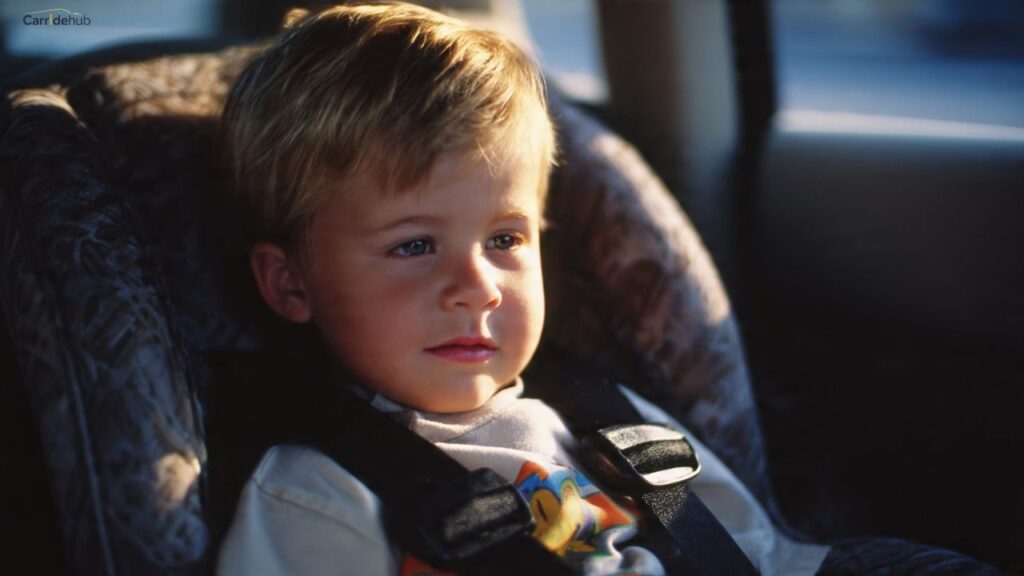
I’ll be honest when I first learned about Illinois car seat laws, I thought, “Surely no one actually goes to jail for a car seat violation, right?” But as I dug deeper, I realized that the state takes child passenger safety very seriously, and the penalties reflect that commitment. Knowing the consequences not only keeps you compliant but also reinforces the importance of consistent safety for your children.
Under Illinois law, a first violation of child restraint requirements carries a $75 fine, while repeat offenses increase to $200. These fines are enforced by the Illinois Secretary of State, who oversees traffic and safety regulations to ensure drivers adhere to the Child Passenger Protection Act (625 ILCS 25). From my own experience as a parent, just knowing these figures made me double-check every car ride to make sure my child was properly secured because it’s not just about the fine; it’s about instilling a habit of safety.
In more serious cases, failure to comply with car seat laws can escalate to a Class A misdemeanor, which carries the potential of up to one year in jail and fines as high as $2,500. While this may sound extreme, it underscores how Illinois prioritizes the protection of children in vehicles. I’ve spoken with several parents and caregivers who initially saw car seat rules as “optional,” and they quickly realized that consistent compliance is as much about preventing injury as it is about avoiding penalties.
These laws and penalties are not meant to intimidate they exist because research consistently shows that properly restrained children are far less likely to suffer serious injuries in crashes. Every fine, warning, or legal action is a reminder of the state’s focus on child passenger safety and the responsibility of every driver and caregiver to follow best practices for restraint systems, whether it’s a rear-facing seat, forward-facing harness, booster seat, or properly fitting seatbelt.
From my perspective, understanding the penalties made me more mindful, but it also gave me confidence: when your child is properly secured, you’re not just following the law you’re actively protecting their most vulnerable years. Compliance becomes second nature, and every ride becomes safer.
Tips for Proper Car Seat Installation and Safety
When I first installed a car seat for my child, I thought I had it figured out. I carefully read the manual, tightened the belts, and thought we were good to go. A few minutes later, I realized the seat shifted more than I expected, and suddenly I understood why many parents feel unsure about installation. Proper car seat installation is just as important as choosing the right seat, and taking the time to get it right can make a huge difference in your child’s safety.
The first step is always to follow the manufacturer’s guidelines. Each seat comes with specific weight and height limits, and ignoring these can reduce its effectiveness in a crash. From my experience, keeping a copy of the manual in the car or using the manufacturer’s online resources is a simple way to make sure you’re always within the correct limits.
Next, always check the tightness of the installation. A properly secured seat should not move more than an inch side-to-side or front-to-back along the belt path. I remember feeling frustrated the first time I had to adjust it multiple times, but that extra effort ensures the seat will perform as designed in an accident.
Positioning the harness correctly is another critical step. Straps should lie flat against the child’s body and be snug, with the chest clip aligned at armpit level. One thing I learned is that even small mistakes, like a twisted strap or a chest clip too low, can compromise safety in a collision.
Parents should also avoid bulky clothing, such as thick winter coats or heavily padded jackets. These can create dangerous slack in the harness and give a false sense of security. Instead, dress children in thinner layers and use blankets over the harness after securing the child.
Finally, I strongly recommend scheduling a seat check with a certified child passenger safety technician. These trained professionals are available across Illinois and can verify that your seat is installed correctly. I took my child for a check, and the technician noticed a small belt misalignment I would have never caught on my own it gave me real peace of mind knowing my child was as safe as possible.
At the end of the day, choosing the right car seat is only half the battle. Correct installation, proper harnessing, and attention to detail are what truly protect children in a crash. Spending a few extra minutes on each trip to verify everything is secure can drastically reduce the risk of injury and give every parent confidence that their child is safe.
How Malman Law Can Help Illinois Families After a Car Accident
Even when families follow Illinois car seat laws perfectly, accidents can still happen. No restraint system can completely eliminate the risk of injury, and often these collisions are caused by another driver’s careless or reckless behavior. I’ve spoken with many parents who felt overwhelmed by mounting medical bills, long recovery timelines, and the emotional toll that comes with seeing a child injured.
At Malman Law, we understand just how quickly life can change after a crash. Our team has extensive experience helping families navigate the complex aftermath of car accidents, especially when children are involved. If your child is injured, our attorneys can help pursue compensation for immediate medical costs, ongoing care, rehabilitation, and other related damages.
We focus on holding negligent drivers accountable while providing guidance and support so families can begin to rebuild. From my perspective, one of the most important steps is taking action early having a knowledgeable legal team on your side can relieve stress and ensure your child’s needs are fully addressed.
Families can start with a free consultation by calling 1-888-419-6639. Even a single conversation can be the first step toward protecting your child’s well-being and securing your family’s future after a traumatic accident.
Illinois Car Seat Laws Height and Weight

Understanding Illinois car seat laws in relation to height and weight is one of the most important steps for any parent. When I first became a parent, I remember carefully measuring my child before every car ride to make sure they still fit safely in their seat. Illinois law is clear: children must remain in a car seat or booster appropriate for their size, not just their age. Rear-facing seats are required until a child reaches the manufacturer’s height and weight limits, usually around 40 pounds and 40 inches, while forward-facing seats and boosters have their own specific thresholds. Knowing these limits gives parents confidence that their child is being properly protected on every trip.
Beyond compliance, paying attention to height and weight ensures the child’s safety during a crash. From my own experience, even a small mistake like moving a child to a booster too early—can leave them vulnerable because the seatbelt won’t fit correctly. Illinois law emphasizes using child safety seats, booster seats, and seatbelts in alignment with the child’s body size, helping reduce injuries in collisions. Regularly checking your child’s growth against these limits is a small effort that makes a big difference in their overall safety.
Age and Weight for Booster Seat Illinois
Booster seats are not just a legal requirement; they are a critical safety tool for children transitioning from forward-facing car seats. Illinois law generally requires booster seat use for children roughly between ages 4 and 8, or until they are tall enough for a standard seatbelt to fit properly. I’ve personally seen families struggle with this stage because kids often insist they are “big enough” to skip the booster. It’s important to remember that the booster ensures the lap belt lies across the thighs and the shoulder belt crosses the chest, which is essential for minimizing injury in a crash.
The right timing for moving out of a booster seat should always consider both age and weight, rather than just what a child feels comfortable with. In my experience, a child may look ready, but a booster provides the proper elevation to prevent seatbelt-related injuries. Illinois guidelines, along with insights from child passenger safety technicians, help parents make informed decisions. Following these recommendations consistently gives peace of mind that your child is fully protected as they grow.
When Can a Child Sit in the Front Seat Illinois
Deciding when a child can safely ride in the front seat can be stressful for many parents. In Illinois, children under 8 are legally required to be in the back seat, properly restrained in a car seat or booster. I’ve noticed that the temptation to let a child sit up front grows as they get older, but the back seat remains the safest spot because it positions them away from airbags, which can be extremely dangerous for smaller passengers. Understanding the law helps parents balance independence with safety.
Even after children meet the minimum age requirement, it’s crucial to ensure that the seatbelt fits correctly. From my experience, some kids may meet age requirements but are still too small for the front seat, which can compromise the lap and shoulder belt positioning. Illinois law, combined with advice from vehicle safety experts, emphasizes keeping children in the back seat until they are both tall and heavy enough for the front seat to be safe. Prioritizing proper restraint over convenience can prevent serious injuries and make every ride safer.
Booster Seat Weight Requirements Illinois
Booster seats are not one-size-fits-all, and understanding the weight requirements in Illinois is critical for keeping children safe. In my experience, many parents try to move their child out of a booster seat as soon as they “look big enough,” but the law is clear: a child should remain in a booster until they reach the weight and height limits recommended by the manufacturer. Typically, booster seats accommodate children from 40 to 80 pounds, ensuring that the vehicle’s seatbelt fits correctly across the lap and shoulder. Following these guidelines guarantees the seat performs as intended during a crash.
From practical experience, I’ve noticed that checking the weight regularly is just as important as checking height. Even a child who seems tall enough may still be too light for a seatbelt to fit safely. Illinois law, alongside advice from child passenger safety technicians, emphasizes keeping children in a booster until both their weight and height allow the seatbelt to fit properly. This attention to detail can prevent serious injuries in collisions and gives parents confidence that their child is fully protected.
Illinois Car Seat Laws Rear Facing
Rear-facing car seats are the gold standard for infant safety, and Illinois law reflects that by requiring children under 2 to remain rear-facing unless they exceed 40 pounds or 40 inches in height. I remember my first experience securing my baby in a rear-facing seat and being surprised by how snug and secure it felt. This position protects the child’s head, neck, and spine in a collision, which is why safety experts recommend keeping children rear-facing as long as possible, even beyond the legal minimum.
It’s not just about following the law; rear-facing seats save lives. From personal experience, I learned that even minor shifts or loose harness straps could compromise safety, so I always double-checked the seat’s tightness and harness position before every trip. Illinois guidelines, combined with manufacturer instructions and certified child passenger safety checks, ensure that every ride maximizes protection for infants and toddlers.
Backless Booster Seat Laws Illinois
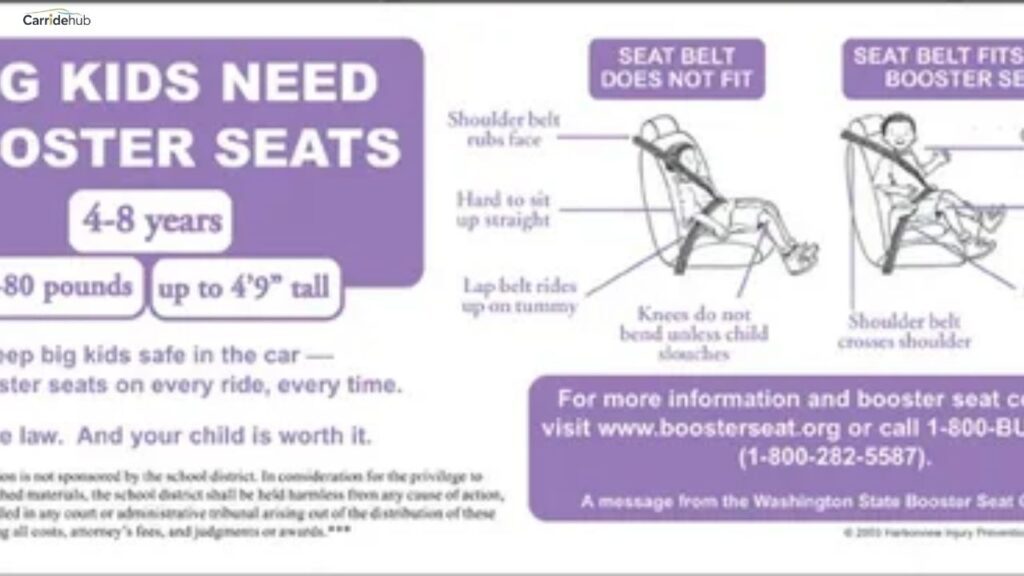
Backless booster seats are a convenient option for older children, but Illinois law has specific requirements to ensure they are used safely. Typically, children can transition to a backless booster once they are tall enough for the lap and shoulder belts to fit correctly and have outgrown the height and weight limits of a high-back booster. I’ve noticed that many parents underestimate the importance of proper belt positioning with backless boosters, so I always stress the need for careful adjustment before each ride.
Even with backless boosters, Illinois law emphasizes that the seatbelt must fit snugly across the lap and chest to prevent injuries in a crash. From my own experience, some children benefit from a high-back booster for longer, especially if the vehicle seat has no headrest, because it provides extra support and guidance for the seatbelt. Consulting child passenger safety guidelines helps parents decide whether a backless booster is appropriate, ensuring safety without compromising comfort for growing children.
👉🏻Discover More About Unique Information[ Florida Car Seat Laws 2026 ]
Frequently Asked Questions
Does a 7 year old need a car seat in Illinois?
Yes. In Illinois, children under the age of 8 are required to ride in a child safety restraint system, which can include a forward-facing car seat with a harness or a booster seat, depending on their size. For a 7-year-old, most children will use a booster seat until they are tall enough for a standard seatbelt to fit correctly, with the lap belt across the thighs and the shoulder belt across the chest. Ensuring proper fit is critical for safety and compliance with the law.
What is the weight requirement for a booster seat in Illinois?
Illinois law generally requires children to use a booster seat until they reach the manufacturer’s recommended weight and height limits, which typically range from 40 to 80 pounds. The goal is to ensure the vehicle’s seatbelt fits correctly. Even if a child appears tall enough, the booster is necessary until both weight and height allow the lap and shoulder belts to sit safely.
When can a child sit in the front seat in Illinois?
Children under 8 years old must ride in the back seat in Illinois. The front seat becomes an option only once a child is at least 8 years old and the seatbelt fits properly. Keeping children in the back seat is recommended because it reduces the risk of injury from airbags in a collision.
How long should a child remain in a rear-facing car seat?
Children under the age of 2 must ride rear-facing unless they exceed 40 pounds or 40 inches in height. Safety experts recommend keeping a child rear-facing as long as the seat allows because this position provides the strongest protection for the head, neck, and spine during a crash.
Are backless booster seats safe for all children in Illinois?
Backless boosters can be safe if the child meets the height and weight requirements and the vehicle seatbelt fits properly. If a child is too small or the vehicle lacks a headrest, a high-back booster seat may be recommended to provide proper support and positioning. Proper installation and belt alignment are key to ensuring maximum safety.
Conclusion
Understanding and following Illinois car seat laws and the Illinois Child Passenger Protection Act (625 ILCS 25) is crucial for every parent who wants to keep their children safe. From my experience working with families across Chicago and nearby areas, I’ve seen how proper car seat requirements, including rear-facing car seats, forward-facing car seats, and booster seat rules, can prevent serious injuries. Paying attention to weight and height limits, seatbelt fit for children, and manufacturer guidelines ensures secure child travel, collision protection, and overall vehicle occupant safety on every trip.
Parents should stay informed about rules for children under 8, children under 2, ages 2 to 4 car seat rules, ages 4 to 8 booster seat requirements, and children 8 to 16 seatbelt use. Correct car seat installation, proper harness positioning, and checking the tightness of the seat with guidance from certified child passenger safety technicians ensures full compliance with Illinois law. By following these car seat safety tips and consistent proper restraint use, families reduce risk, avoid penalties, and meet vehicle safety standards while keeping kids safe on Illinois roads.

Michael is a car seat specialist with 4 years of experience in reviewing, testing, and guiding people on the best car seat choices. He creates clear, reliable content to help users make safe and confident decisions.