
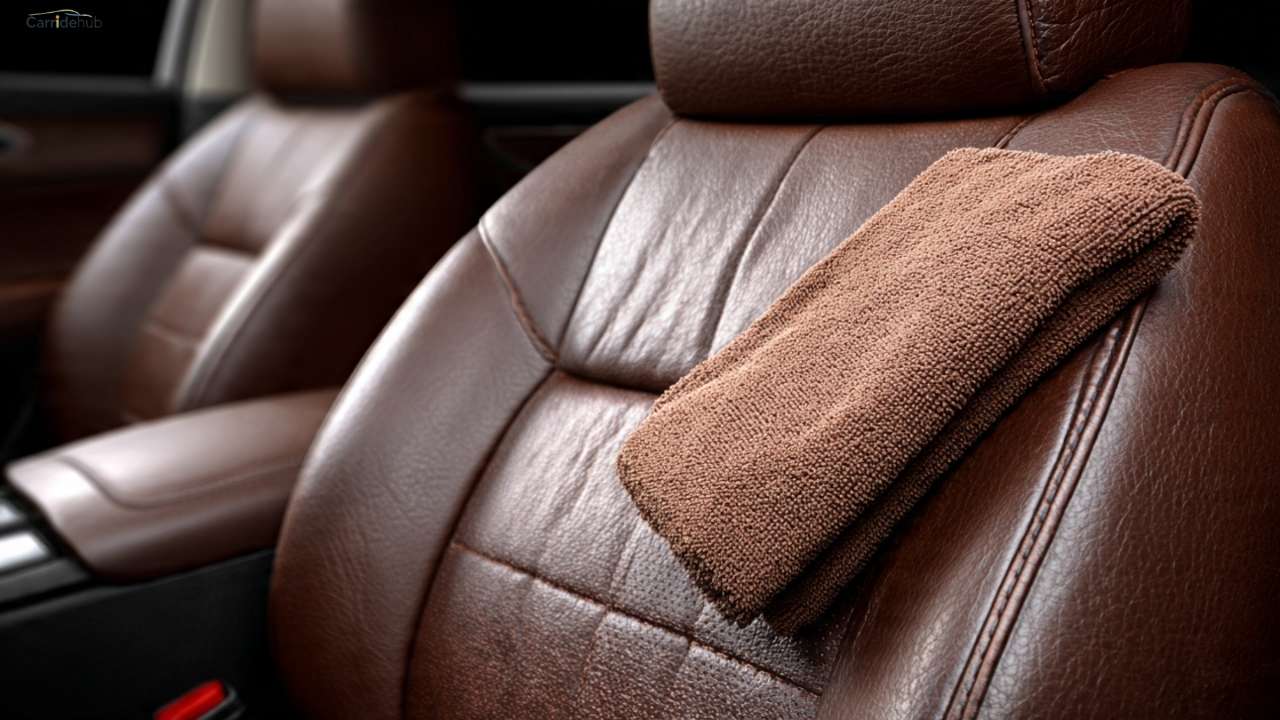
Keeping leather car seats and your car interior clean is important for car hygiene, especially after someone sick has used your vehicle. From my experience with upholstery care and interior detailing, using harsh chemicals can cause color fading or damage the leather steering wheel and auto interiors. While Clorox wipes are tempting for quick disinfecting leather, they can be harsh on leather surfaces, so testing a test spot first or using non-bleach wipes is safer.
A gentle approach works best: lightly wipe with a mild household cleaner or a water solution with rubbing alcohol, then follow with a microfiber cloth to remove any chemical residue. Let the car air out in sunlight for natural sunlight disinfecting without baking car in sun too long. Applying leather conditioner afterward ensures leather protection. Simple methods like wipe and dry method, using baby wipes, or caring for vinyl top layer surfaces keep your car sanitized without damage, while following COVID cleaning guidance for surface germs and bacteria and viruses survival.
Can You Use Clorox Wipes on Leather Car Seats
Using Clorox wipes on leather car seats is something many car owners wonder about. From my personal experience, these wipes are great for quick clean-ups of dirt, spills, and germs, but leather is a delicate material. The alcohol and strong chemicals in Clorox wipes can dry out or even discolor your leather if used too frequently. I learned this the hard way when I tried wiping down my leather seats daily after a few weeks, the leather felt stiff and slightly faded.
The best approach is to use Clorox wipes sparingly, preferably on small, less visible areas first. Follow it up with a quality leather conditioner to restore moisture and shine. This method keeps your car hygienic without compromising the look or longevity of your leather seats.
Can You Use Disinfecting Wipes on Leather Car Seats
Disinfecting wipes, in general, can clean leather surfaces effectively, but not all wipes are created equal. From my experience, wipes labeled as “gentle” or “for sensitive surfaces” work better for leather than heavy-duty disinfecting wipes. Regular use of harsh wipes can strip natural oils from leather, causing cracks over time.
A practical tip I follow is to gently dab instead of scrubbing and always test a small hidden spot first. After using disinfecting wipes, I apply a leather moisturizer or conditioner, which helps maintain suppleness and prevents any drying. This combination ensures your leather seats stay clean, germ-free, and luxurious.
Can You Use Clorox Wipes on Leather Car Interior
The interior of a car often accumulates dust, spills, and germs, making disinfecting important. Clorox wipes can be used on leather interiors like the dashboard, armrests, or door panels, but moderation is key. Personally, I use Clorox wipes once every couple of weeks and avoid soaking the leather. Too much moisture or harsh chemicals can leave white residue or cause subtle damage.
For me, the secret is pairing Clorox wipes with a microfiber cloth. I lightly wipe the surface with the disinfecting wipe, then immediately buff it with a soft microfiber cloth to remove excess solution. This technique cleans, disinfects, and keeps the leather looking new without the dryness or discoloration that heavy use can cause.
Can You Use Bleach Wipes on Leather Car Seats
Using bleach wipes on leather car seats is generally not recommended. From my personal experience, I once tried a bleach wipe on a tiny stain on my leather seat, thinking it would disinfect and remove the mark. Within minutes, the leather lost its natural sheen, and a faint white patch appeared that was very hard to fix. Leather is sensitive, and bleach’s harsh chemicals can strip away natural oils, dry out the surface, and even cause permanent discoloration.
If you absolutely need to disinfect, consider using mild disinfecting wipes or those specifically labeled safe for leather. Pairing them with a leather conditioner afterward helps restore moisture and prevent cracking. Always test on a small hidden area first to avoid costly damage. This approach keeps your car clean and safe without compromising your leather’s texture or color.
How to Disinfect Leather Car Seats
Disinfecting leather car seats requires a gentle and thoughtful approach. Based on my experience maintaining multiple cars, the safest method is to use alcohol-free leather wipes or a solution of mild soap and water applied with a microfiber cloth. Avoid heavy scrubbing, as it can damage the leather fibers. I usually dab the solution lightly and allow the seat to air dry before applying a thin layer of leather conditioner.
For deeper cleaning, I recommend using a soft-bristled brush to remove dirt from seams and stitching, followed by disinfecting wipes that are leather-safe. This method ensures your seats are free from germs while maintaining softness and preventing cracks. Regular maintenance keeps your car interior hygienic without shortening the life of your leather.
How to Disinfect Leather Couch
Leather couches in homes face similar challenges as car seats but with more frequent contact. From personal experience, using harsh chemicals like bleach or strong disinfecting wipes can damage your couch within days. I found that a combination of gentle leather cleaner and a microfiber cloth works best to disinfect while preserving the leather’s natural oils.
For high-touch areas, I lightly spray a leather-safe disinfectant and wipe it immediately with a soft cloth. After disinfecting, I apply a leather conditioner to maintain softness and prevent drying. Over time, this routine keeps the couch clean, fresh, and durable. Always test any product in a hidden corner first, because leather finishes can react differently depending on the type.
What Can I Use to Clean Leather Car Seats
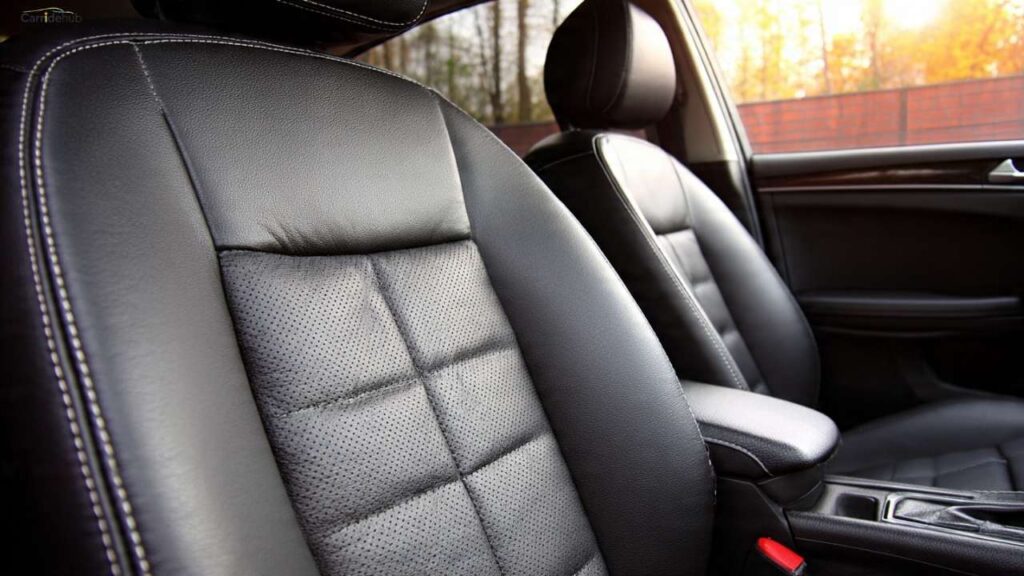
Cleaning leather car seats requires a balance between hygiene and preservation of the leather’s natural texture. From my personal experience, using mild leather cleaners, pH-balanced soaps, or leather-specific wipes works best. I usually start by vacuuming the seats to remove dust and debris from seams and stitching. Then, I apply a small amount of leather cleaner on a microfiber cloth and gently rub in circular motions.
For tougher stains, a mixture of water and a few drops of gentle dish soap can be effective without damaging the leather. Always finish by applying a leather conditioner to restore moisture and maintain the soft, supple feel. Avoid harsh chemicals like bleach or ammonia, which can cause cracking or discoloration over time.
Can You Use Lysol Wipes on Leather Car Seats
Lysol wipes are convenient, but when it comes to leather, caution is key. In my experience, using Lysol wipes occasionally on sturdy, treated leather is generally safe, but frequent use can dry out the surface. Alcohol-based disinfectants in Lysol wipes can strip away natural oils, leaving leather stiff and prone to cracks.
A good approach I follow is to lightly wipe only small sections at a time and immediately buff with a soft microfiber cloth. Following up with a leather moisturizer or conditioner after disinfecting helps maintain softness and prevents discoloration. This way, you get the benefit of cleanliness without compromising your seats’ longevity.
How to Disinfect Car Seats
Disinfecting car seats, especially during flu season or after spills, requires a careful approach. From my hands-on experience, the safest method is to use alcohol-free disinfecting wipes or a solution of mild soap and water for fabric seats, while leather requires gentle leather-safe products. Always focus on high-touch areas like seat edges, armrests, and seatbelt buckles.
I recommend lightly dabbing instead of scrubbing and drying the surface immediately to prevent moisture buildup. For leather, I always finish with a conditioner to replenish oils, while for fabric seats, vacuuming afterward helps maintain the material’s texture. Regular disinfection keeps the car hygienic without compromising the material quality.
Can I Use Lysol Wipes on My Car Exterior
Many people assume Lysol wipes are only for interiors, but they can be used cautiously on the car exterior, especially for small spots like door handles or touchpoints. From my experience, avoid using Lysol wipes on painted surfaces frequently, as the alcohol content can dull the clear coat over time.
I usually reserve Lysol wipes for handles, mirrors, and areas that see a lot of contact. For the painted exterior, a gentle car wash with pH-balanced soap and water is much safer. After wiping, I dry the area with a microfiber towel to prevent streaks and maintain the vehicle’s shine. This method keeps your car clean and disinfected without risking damage to the exterior finish.
Leather Disinfectant Spray
Leather disinfectant sprays are designed specifically to kill germs without damaging the natural oils or finish of leather surfaces. From my personal experience, using a high-quality leather disinfectant spray on car seats or furniture is much safer than generic chemical wipes. I usually spray lightly over the surface and then wipe with a soft microfiber cloth to ensure even coverage.
One tip I’ve learned is to always test in an inconspicuous area first. Even leather-safe sprays can react differently depending on the type of leather. Following up with a leather conditioner after disinfecting helps maintain softness, prevents cracking, and keeps your seats or furniture looking new. This routine makes cleaning effortless while protecting your investment.
Can I Use Clorox Wipes on My Leather Car Seats
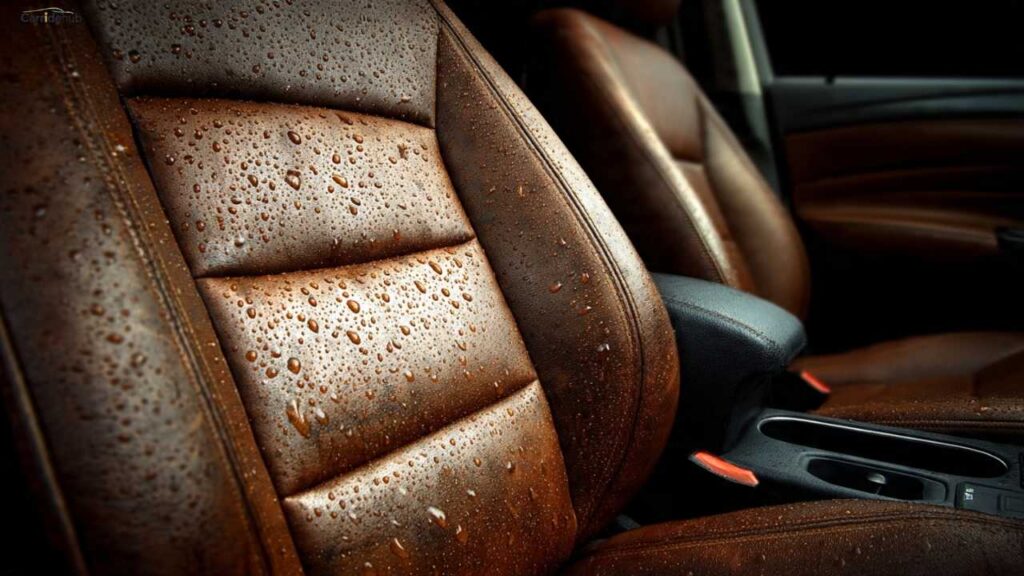
Using Clorox wipes on leather car seats is a common question, and from my experience, they should be used very sparingly. The alcohol and chemicals in Clorox wipes can strip away the natural oils in leather, causing it to dry out and even fade over time. I once tried using them on a spill in a hurry and noticed the leather felt stiffer afterward.
A safer approach is to use them only on small, less-visible areas and always follow with a leather conditioner. I also recommend testing a hidden corner first to make sure there’s no discoloration. By limiting use and maintaining the leather afterward, you can disinfect effectively without compromising your car seats’ texture or appearance.
Can You Use Windex on Leather Car Seats
Windex is a powerful cleaner, but when it comes to leather car seats, it can do more harm than good. From my personal experience, the ammonia and chemicals in Windex can strip oils from leather, leaving it dry, stiff, and prone to cracking. I learned this after accidentally using Windex on a small area it left a noticeable dull patch that took weeks of conditioning to restore.
If you ever need to clean leather seats, I recommend using products specifically formulated for leather. A damp microfiber cloth with a mild leather cleaner works well, followed by a leather conditioner to keep the material soft and supple. This method ensures your seats remain clean and hygienic without causing damage.
Can You Use Windex on Leather Car Interior
Leather surfaces on the car interior, including dashboards, armrests, and door panels, are tempting to clean with Windex because of its streak-free shine. However, based on my hands-on experience, Windex can dry out or discolor these surfaces due to its chemical content. I tried it on a friend’s leather dashboard once, and it left a slight film that required multiple wipes and conditioning to fix.
A better alternative is to use leather-safe interior cleaners or alcohol-free disinfecting wipes. Lightly wipe the surface, then buff immediately with a microfiber cloth. For long-term maintenance, I follow up with a protective leather conditioner to maintain shine, prevent cracking, and ensure the interior stays fresh and germ-free.
Can You Clorox Wipe Leather Car Seats
Using Clorox wipes on leather car seats is possible but should be done with caution. From my personal experience, Clorox wipes are convenient for a quick disinfecting touch-up, but leather is sensitive to harsh chemicals and alcohol. I once tried wiping down my car’s leather seats too frequently, and the surface began to feel dry and slightly faded after a few weeks.
To avoid damage, I recommend testing a small, hidden section first. Use the wipe sparingly, and immediately follow up with a quality leather conditioner to replenish moisture and protect the texture. This method helps maintain hygiene while keeping your leather seats soft and long-lasting.
Can You Wipe Leather Car Seats with Clorox Wipes
Wiping leather car seats with Clorox wipes can effectively remove germs, but it comes with risks if overused. In my experience, the alcohol content in Clorox wipes can strip natural oils from leather, leaving it prone to cracking over time. For minor spills or quick cleaning, they are fine, but daily use is not recommended.
A safer routine I follow involves gently dabbing the wipe on the leather rather than rubbing aggressively. Afterward, I apply a leather-safe conditioner to restore suppleness and prevent drying. This approach balances cleanliness with protection, ensuring the seats remain comfortable and visually appealing.
Can You Clean Leather Car Seats with Clorox Wipes
Cleaning leather car seats with Clorox wipes is convenient for emergencies, but it is not ideal for routine maintenance. Based on my experience, frequent use can dull the leather’s natural finish and reduce its lifespan. I learned this after using Clorox wipes on a small stain it cleaned effectively but left the leather slightly stiff until I conditioned it properly.
For regular cleaning, I recommend using leather-safe cleaning solutions or wipes specifically designed for delicate leather. If you must use Clorox wipes, limit them to occasional disinfecting, and always follow with a leather conditioner. This ensures your seats stay clean, soft, and free from damage over time.
👉🏻Discover More About Unique Information[ Can You Reuse a Car Seat After an Accident ]
Frequently Asked Questions
Are Clorox Wipes Safe for Car Leather?
Clorox wipes can be used on car leather occasionally, but they are not ideal for regular cleaning. The alcohol and strong chemicals in these wipes can strip natural oils from leather, leaving it dry, stiff, or even discolored over time. From my experience, using them sparingly and on small areas first is the safest approach. Always follow up with a leather conditioner to restore moisture and protect the leather’s texture.
What Is the Best Thing to Wipe Down Leather Car Seats?
The safest and most effective way to clean leather car seats is with a leather-safe cleaner or mild soap and water applied to a soft microfiber cloth. I personally prefer alcohol-free leather wipes because they clean without damaging the surface. After cleaning, applying a quality leather conditioner ensures your seats stay soft, supple, and free from cracks, keeping them looking like new.
What Wipes to Use on Leather Car Seats?
For leather car seats, always choose leather-specific or alcohol-free disinfecting wipes. Regular household wipes like Clorox or Lysol can be used occasionally, but frequent use may damage the leather. Based on my experience, a microfiber cloth with leather-safe solution is often better for regular maintenance, as it cleans thoroughly while preserving the leather’s natural oils.
Can You Clean a Car Seat with Clorox Wipes?
Yes, you can clean a car seat with Clorox wipes, but caution is needed. They are best for quick disinfecting of minor spills or high-touch areas, rather than routine cleaning. To prevent damage, lightly dab the surface instead of scrubbing, and always condition the leather afterward. This ensures your car seats remain clean, germ-free, and protected from drying or cracking.
Conclusion
From my experience with car interiors and upholstery care, it’s best to avoid using Clorox wipes directly on leather car seats, as they can be harsh on leather and cause color fading over time. Gentle cleaning with a mild household cleaner, a water solution, or non-bleach wipes works well for disinfecting leather without damaging the surface. Always test a small spot first to protect your leather steering wheel and vinyl top layer.
After cleaning, use a microfiber cloth to remove any chemical residue and let the car air out in sunlight for natural disinfecting. Applying a leather conditioner afterward ensures long-lasting leather protection and keeps your car interior safe from surface germs and bacteria. Following these simple steps lets you maintain car hygiene and interior detailing without overthinking, keeping your ride clean and worry-free.

Michael is a car seat specialist with 4 years of experience in reviewing, testing, and guiding people on the best car seat choices. He creates clear, reliable content to help users make safe and confident decisions.