
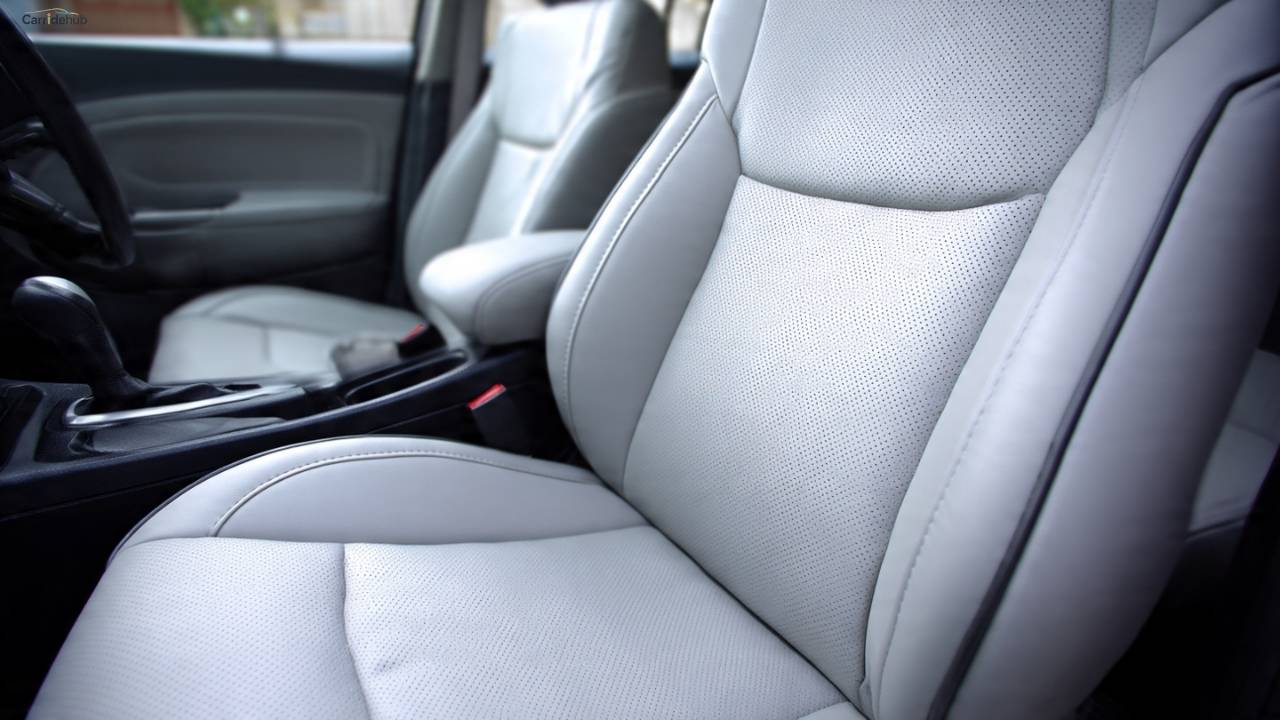
Cleaning your car’s interior can be tricky, especially when it comes to fabric and leather seats. Many car owners wonder, “Can you use upholstery cleaner on car seats?” Using the right product helps remove stains, dirt, and odors while protecting your vehicle’s material. Choosing an appropriate cleaner ensures long-lasting freshness and prevents damage.
Upholstery cleaners for cars are designed to target grime, spills, pet hair, and everyday dirt without harming fabric or leather. Knowing how to apply these cleaners properly keeps your seats looking new and well-maintained. With the right techniques, car upholstery cleaning becomes easy, safe, and effective for daily maintenance.
Can You Use Upholstery Cleaner on Car Seats
Using upholstery cleaner on car seats is a common go-to solution for stubborn stains, dirt, and grime. From my experience working on vehicles, most fabric seats respond really well to a gentle, foam-based upholstery cleaner. The key is to test a small hidden area first to make sure the cleaner doesn’t cause discoloration or leave water marks. Applying it in small sections with a soft-bristled brush or microfiber cloth ensures even cleaning and prevents over-saturation.
Not all upholstery cleaners are created equal. I’ve found that water-based cleaners work best on modern car fabrics, while solvent-based options are better for older, heavily stained seats. Always follow the instructions on the product label and avoid soaking the seat. Once cleaned, allow the fabric to air-dry completely this prevents mildew and keeps your car smelling fresh.
Can You Use Upholstery Cleaner on Leather Car Seats
Leather car seats require a more delicate approach compared to fabric. While upholstery cleaners can work on leather, you need to ensure the product is labeled as safe for leather surfaces. In my experience, using a pH-balanced cleaner designed specifically for leather protects the material from drying or cracking over time. Apply the cleaner with a soft cloth in circular motions, and avoid scrubbing aggressively, as leather is sensitive to friction.
After cleaning, it’s important to condition the leather. From personal practice, a good leather conditioner restores the natural oils and prevents stiffness. Using a regular fabric upholstery cleaner without checking the label can strip leather of its protective layer, leaving it dull or prone to damage. So, if you want your leather seats to maintain that showroom shine, always pair cleaning with conditioning.
Can You Use Upholstery Cleaner on Heated Car Seats
Heated car seats add an extra layer of caution when cleaning. While most upholstery cleaners are safe for use, it’s crucial to ensure the cleaner does not saturate the seat excessively, as moisture could interfere with the heating elements beneath. From hands-on experience, lightly misting the cleaner onto a microfiber cloth rather than spraying directly onto the seat works best. This method allows for effective cleaning while protecting the wiring underneath.
Additionally, avoid turning on the seat heater until the seat is completely dry. The combination of heat and residual moisture can cause damage or even short circuits. I’ve always recommended using cleaners that dry quickly and have minimal residue for heated seats. With careful attention, you can safely maintain clean, fresh seats without compromising the seat’s functionality or comfort.
Can You Use Carpet and Upholstery Cleaner on Car Seats
Yes, carpet and upholstery cleaners can be used on car seats, but the approach depends on the type of fabric and the product itself. From my experience detailing vehicles, foam-based or spray cleaners work best for most modern fabric car seats. Always test a small, hidden spot first to ensure the cleaner won’t cause fading or leave watermarks. Applying it gradually and scrubbing lightly with a soft brush helps lift dirt without soaking the seat.
It’s important to note that some carpet cleaners are stronger than fabric cleaners, which can sometimes lead to over-saturation. I’ve found that using a microfiber cloth to blot away excess cleaner after scrubbing avoids residue buildup. Once cleaned, letting the seats air-dry fully is key especially to prevent odors or mildew from forming in damp areas. Using the right cleaner with proper technique keeps your car seats looking fresh and extends their lifespan.
How to Use Upholstery Cleaner on Car Seats
Using upholstery cleaner on car seats is straightforward, but technique makes all the difference. From personal experience, I always start by vacuuming the seats thoroughly to remove loose dirt and debris. Then, I lightly spray the cleaner onto a soft microfiber cloth rather than directly onto the seat to control the amount of liquid applied. Working in small sections with gentle circular motions ensures the dirt lifts evenly without damaging the fabric.
After cleaning, I wipe the seat with a damp cloth to remove any leftover cleaner and then allow the seats to air-dry completely. I’ve also found that using a soft-bristled brush on stubborn stains can help without being too abrasive. The key is patience: rushing the process or over-applying cleaner can leave streaks, moisture pockets, or even mild discoloration. Proper application guarantees spotless, fresh-smelling car seats every time.
How to Clean Fabric Seats of Car
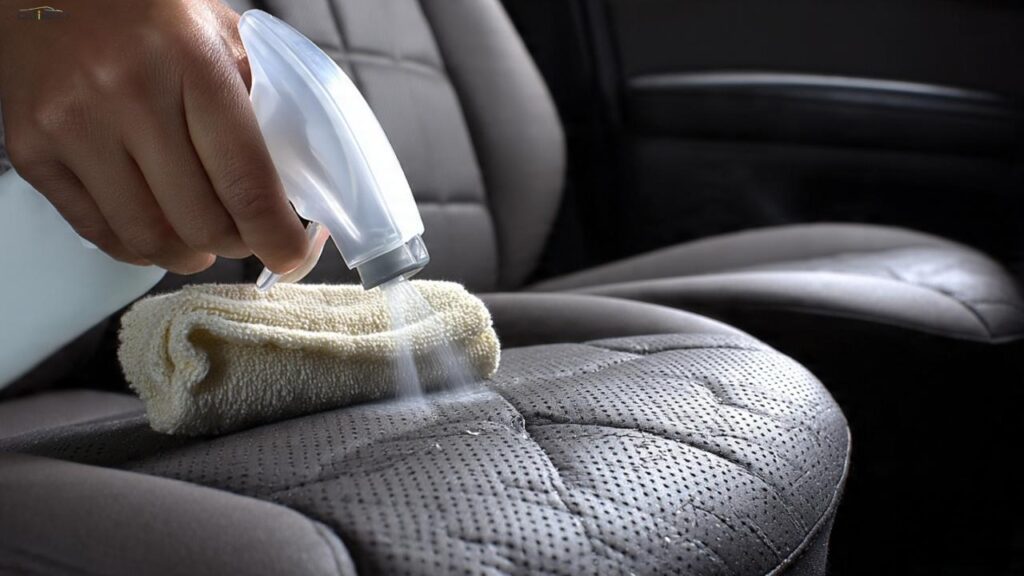
Cleaning fabric car seats involves more than just spraying a cleaner and wiping it off. Based on years of hands-on detailing experience, I recommend starting by vacuuming every crevice to remove dirt and crumbs. Next, using a fabric-safe upholstery cleaner, lightly scrub the surface in circular motions with a soft brush. This method helps lift stains and embedded grime without damaging the fibers.
For tougher spots like coffee spills or mud, I often let the cleaner sit for a minute or two before scrubbing. Once cleaned, blot excess moisture with a microfiber cloth and allow the seats to air-dry fully, ideally with windows open for airflow. This method prevents musty odors and keeps the fabric soft. Regular maintenance, combined with the right cleaner, not only keeps your seats spotless but also preserves their texture and color over time.
Can You Use Upholstery Cleaner on Car Seats Reddit
Many Reddit threads discuss using upholstery cleaner on car seats, and the consensus from car enthusiasts is that it’s generally safe for fabric seats if used correctly. From my own experience, the key is choosing a cleaner that matches your seat type. Foam-based or water-soluble upholstery cleaners work well for most cloth seats. Always test a small, hidden area first this prevents surprises like discoloration or lingering residue.
Reddit users often recommend using a microfiber cloth or soft brush rather than spraying the cleaner directly onto the seat. I’ve tried both methods, and applying the cleaner indirectly gives better control and reduces the risk of oversaturating the seat. After cleaning, allow the seats to air-dry completely to prevent mildew. This approach keeps your car interior fresh and maintains the integrity of the fabric.
How to Clean Fabric Car Seats Stains
Fabric car seat stains can range from coffee spills to dirt and grime, and removing them effectively requires the right tools and technique. From personal experience, the first step is to vacuum the seats thoroughly to remove loose dirt. Next, a fabric-safe upholstery cleaner applied in gentle circular motions lifts most stains without damaging the fibers. For tough spots, letting the cleaner sit for a minute or two before scrubbing can make a big difference.
After treating the stain, I always blot the area with a clean, damp microfiber cloth to remove excess cleaner. Then, letting the seat air-dry fully is crucial to avoid musty smells. Over the years, I’ve noticed that consistent, careful cleaning not only removes stains but also keeps fabric seats soft and vibrant, extending their lifespan and preserving your car’s interior aesthetic.
How to Clean Cloth Car Seats with Household Products
You don’t always need specialized cleaners to clean cloth car seats household products can be surprisingly effective. A mixture of warm water, a few drops of mild dish soap, and a soft microfiber cloth works wonders for light stains and dirt. From my own trial and error, applying the solution in small sections and scrubbing gently with a soft brush avoids oversaturating the fabric while still lifting grime effectively.
Baking soda is another household favorite I use for stubborn odors. Sprinkle a thin layer on the seat, let it sit for 15–20 minutes, and then vacuum it up. This method neutralizes smells and refreshes the seats naturally. The key is moderation and patience: too much liquid or scrubbing can damage the fibers, so working carefully ensures the seats stay clean, soft, and odor-free without expensive cleaners.
How to Clean Fabric Car Seats Without a Machine
Cleaning fabric car seats without a machine is entirely possible and often safer for delicate materials. From my experience, the key is using a combination of a vacuum, a gentle upholstery cleaner, and microfiber cloths. Start by vacuuming thoroughly to remove loose dirt, dust, and crumbs. Then lightly spray the cleaner onto a cloth, not directly onto the seat, to control moisture. Work in small sections using circular motions to lift dirt and stains effectively.
Once cleaned, I always blot the seats with a damp cloth to remove leftover cleaner and prevent sticky residue. Allowing the seats to air-dry completely is essential especially in humid environments to avoid mildew or odors. With consistent care, fabric seats can remain fresh and vibrant without ever needing a heavy-duty cleaning machine.
How to Deep Clean Fabric Car Seats
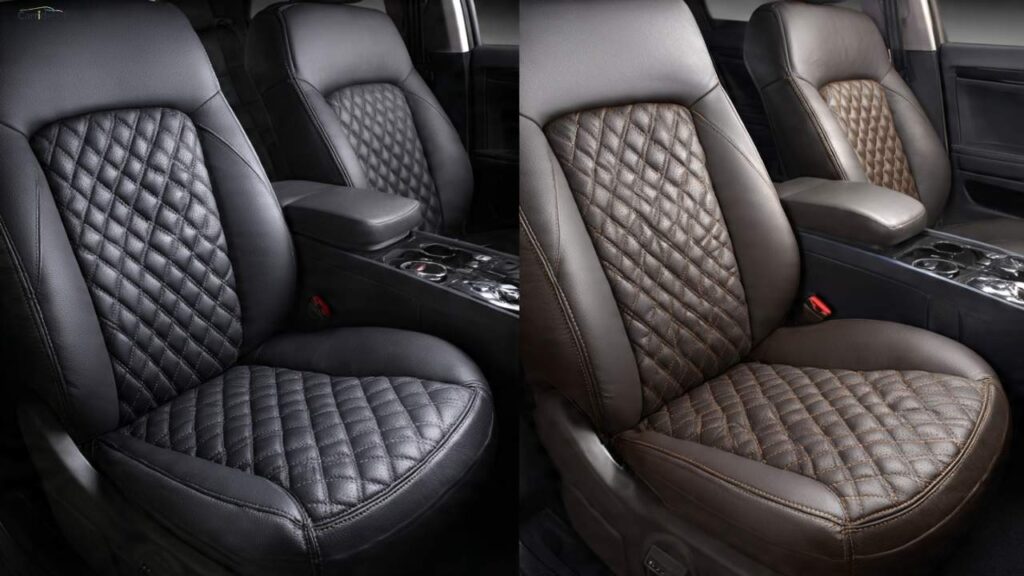
Deep cleaning fabric car seats goes beyond surface dust and light stains. In my detailing experience, the process begins with vacuuming every crevice, including under the edges and seams, to remove hidden dirt. Then, I apply a fabric-safe upholstery cleaner using a soft-bristled brush to work the product into the fibers, loosening embedded grime. For stubborn stains, letting the cleaner sit for a few minutes before scrubbing helps break down tougher residues.
After scrubbing, it’s important to wipe down the area with a damp microfiber cloth to remove all cleaner residues. I often finish by allowing the seats to air-dry with the windows slightly open for airflow. Regular deep cleaning not only keeps your seats spotless but also restores the softness and color of the fabric, prolonging the life of your car interior.
How to Clean Fabric Car Seats Without Leaving Water Stains
Water stains are a common problem when cleaning fabric seats, especially if too much liquid is used. From my experience, the trick is controlled application: always apply upholstery cleaner or water through a microfiber cloth rather than spraying directly on the seat. Gently scrub in small circular motions to lift dirt without soaking the fabric.
After cleaning, I recommend immediately blotting excess moisture with a dry cloth and letting the seat air-dry naturally. Avoid turning on seat heaters or closing windows, as rapid drying can create uneven water marks. For stubborn spots, a small amount of vinegar solution mixed with water can help clean without leaving stains. With careful technique, your fabric seats can be spotless and streak-free, maintaining a fresh and uniform appearance.
How to Clean Car Seats with Carpet Cleaner
Using carpet cleaner on car seats can be surprisingly effective if done correctly. From my experience, carpet cleaners work best on fabric seats because they lift dirt and grime embedded in fibers without harsh scrubbing. Start by vacuuming the seat thoroughly to remove loose dirt, crumbs, and debris. Then, lightly spray the carpet cleaner onto a microfiber cloth or directly onto the fabric in small sections, depending on the product instructions, and gently scrub in circular motions to remove stains.
After cleaning, it’s essential to blot the area with a clean, damp cloth to remove any excess cleaner and prevent sticky residue. I’ve learned that letting the seats air-dry completely preferably with the car windows open prevents odors and mildew. Regular use of carpet cleaner in this way keeps car seats fresh, extends their lifespan, and maintains a soft, comfortable texture.
Car Upholstery Cleaner Machine
A car upholstery cleaner machine is a great tool for deep cleaning seats, especially for larger stains or high-traffic areas. From hands-on experience, these machines combine suction and cleaning solution to lift dirt and grime more efficiently than manual cleaning. Before using the machine, vacuum the seats thoroughly to remove loose debris, then pre-treat stubborn stains with a fabric-safe cleaner. Working in small sections ensures even coverage and prevents over-wetting the fabric.
After running the machine, I always recommend wiping down any leftover moisture with a microfiber cloth and allowing the seats to air-dry fully. Machines can save time, but proper technique is key over-saturating the fabric can cause water stains or mildew. With careful use, a car upholstery cleaner machine leaves your seats deeply cleaned, refreshed, and almost like new.
👉🏻Discover More About Unique Information[ When Can You Safely Change a Car Seat to Front Facing ]
Frequently Asked Questions
Can I Use Upholstery Cleaner on Car Seats?
Yes, you can use upholstery cleaner on car seats, but it depends on the seat material. For fabric seats, foam or water-based upholstery cleaners work best, lifting dirt and stains effectively without damaging the fabric. Always test a small, hidden area first to avoid discoloration. For leather or heated seats, make sure the cleaner is specifically labeled safe for those surfaces, and follow up with a leather conditioner if needed.
What Is Best to Clean Your Car Seats With?
The best way to clean car seats depends on the material. For fabric seats, a combination of vacuuming, a gentle fabric-safe upholstery cleaner, and a soft brush or microfiber cloth works well. For leather seats, use a pH-balanced leather cleaner and a soft cloth, followed by a leather conditioner to maintain suppleness. Household items like mild dish soap mixed with water can also work for light fabric stains, but professional cleaners are recommended for deep cleaning or tough stains.
What Not to Use When Cleaning Car Interior?
Avoid harsh chemicals, bleach, ammonia, or abrasive cleaners on car seats and interior surfaces. These can strip color, damage materials, or leave residues that attract more dirt. Directly spraying large amounts of water on fabric or leather seats is also risky, especially on heated seats, as it can seep into wiring or cause water stains. Stick to cleaners designed for car interiors or gentle household alternatives applied carefully.
What Is the Best Way to Clean Upholstery in Your Car?
The best approach to clean car upholstery is to work in small sections using a methodical, step-by-step process. Start by vacuuming to remove loose dirt, then apply an upholstery cleaner via microfiber cloth or soft brush. Work in circular motions to lift stains, blot excess moisture, and let the area air-dry completely. For leather or vinyl, always follow with a conditioner to preserve texture and prevent cracking. Regular maintenance keeps upholstery fresh and extends its lifespan.
Conclusion
Yes, you can use upholstery cleaner on car seats, but choosing the right product for your seat material is essential. Fabric, leather, and vinyl require different cleaners to remove stains, dirt, and odors effectively. Proper use ensures your car interior stays fresh, clean, and damage-free.
Regular cleaning with the correct upholstery cleaner prolongs the life of your car seats and keeps them looking new. Always follow instructions and test in a small area first to avoid discoloration. With consistent care, car seat maintenance becomes simple, safe, and effective.

Michael is a car seat specialist with 4 years of experience in reviewing, testing, and guiding people on the best car seat choices. He creates clear, reliable content to help users make safe and confident decisions.