
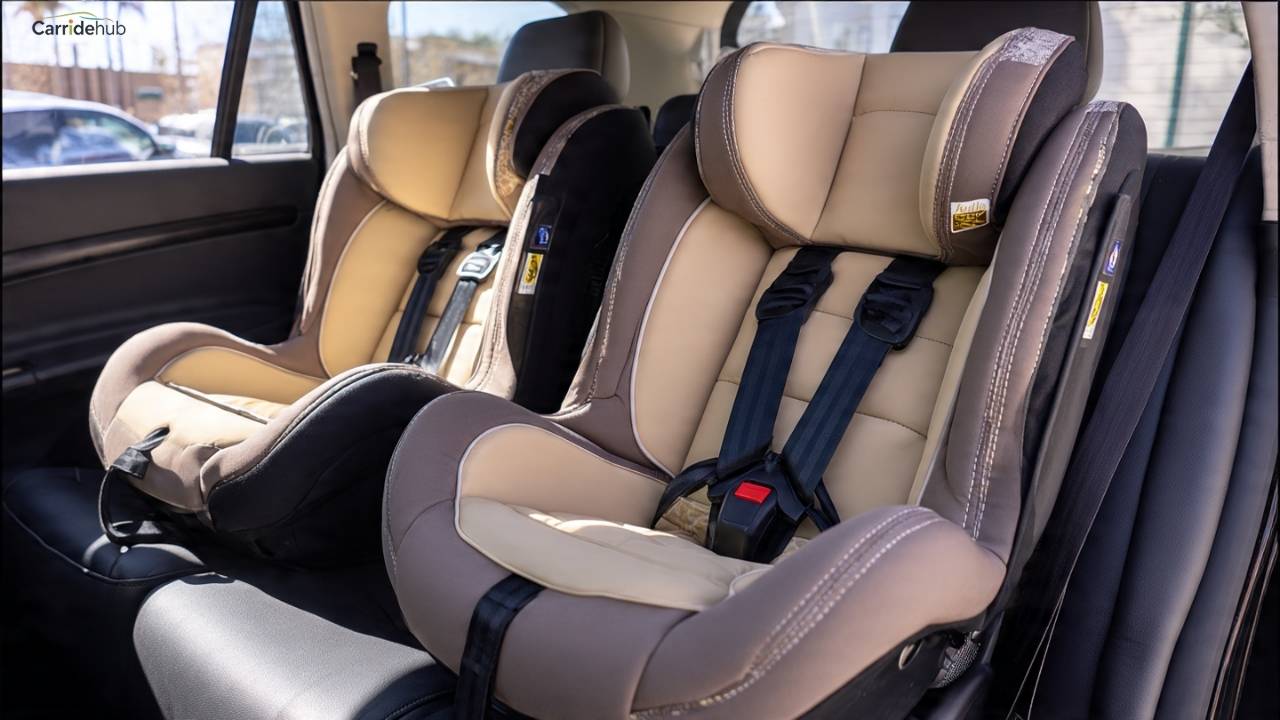
Selling a used car seat on Facebook Marketplace can be tricky but possible if done responsibly. When listing a secondhand infant car seat or a gently used convertible seat, you must ensure car seat resale safety by checking the car seat expiration date, performing a NHTSA recall check, and confirming FMVSS 213 compliance. From my experience, buyers trust transparent sellers who disclose crash history, verify car seat structural integrity, and inspect harness webbing, buckle functionality, and LATCH connectors.
To sell ethically, include the instruction manual and provide proper documentation for sale while noting any legal liability for used car seats. A clear, transparent listing builds car seat buyer trust, showing responsible seller practices and following a car seat inspection checklist. Avoid damaged or defective car seats, confirm all parts present, and communicate installation verification to maintain parent confidence and uphold the car seat safety ecosystem.
Facebook Marketplace’s Official Policy and What It Leaves Unspoken
Facebook Marketplace is a popular platform for selling used items, including baby gear, but when it comes to car seats, the rules are a little nuanced. Facebook’s Prohibited Items Policy doesn’t ban car seats outright, but it does flag items that could pose a safety risk or violate the law. Specifically, any product that lacks required safety certifications or has been recalled can’t be listed.
From my experience helping parents sell gently used baby gear safely, this means your listing must meet three essential conditions before you even hit “Post”:
- The seat has never been in a crash of any severity. Even minor accidents can compromise a car seat’s safety. I’ve seen sellers try to list seats after small fender-benders it’s not worth the risk.
- It is within the manufacturer-specified expiration window. Car seats have a shelf life, usually 6–10 years depending on the brand. Double-check the expiration date on the label.
- It is not on the current NHTSA recall list. This is easy to verify at nhtsa.gov/recalls. If the seat is recalled, selling it is both unsafe and illegal.
What Facebook doesn’t enforce but every responsible seller should is the intactness of all components. From harness straps and buckle tongues to base connectors, foam padding, and the instruction manual, missing or damaged parts make a seat unsafe even if it looks perfect. I always recommend a full inspection before listing.
Pro Tip: Take clear photos of the seat’s label showing the model number, manufacture date, and expiration date, and include them in your listing. Buyers trust transparency more than a bargain price, and I’ve personally seen listings with labeled photos sell faster and with fewer questions.
By following these rules and adding a few personal touches like highlighting how well the seat was cared for you can sell your car seat safely, build buyer trust, and ensure peace of mind for everyone involved.
A Real-World Example: What Happened When One Parent Skipped Due Diligence
In early 2023, I came across a story that really drove home the importance of checking a car seat’s full history before buying it. Sarah M., a mother of two in Austin, TX, found a Graco 4Ever DLX on Facebook Marketplace for just $45. The listing promised a “barely used, no accidents” seat and included clear, well-lit photos showing it installed in a minivan. On the surface, it looked perfect and for parents on a budget, that can be tempting.
What wasn’t disclosed, however, was that the seat had been in a rear-end collision six months earlier. The airbags hadn’t deployed, so it seemed minor, but even a small crash can stress the seat’s energy-absorbing foam and warp its steel frame. When Sarah installed the seat for her toddler, she noticed the lower LATCH connectors wouldn’t lock flush. She assumed it was user error and opted for seatbelt installation instead a decision many parents make when things don’t feel “right.”
Three weeks later, during a routine stop at a red light, her vehicle was struck from behind at just 12 mph. The harness webbing stretched more than it should have, and her son’s head moved 3 inches farther forward than recommended. Thankfully, he wasn’t injured, but an ER pediatrician reviewing the seat noticed visible deformation in the base and advised immediate replacement.
Sarah reached out to the seller, who admitted the prior crash but claimed, “it looked fine.” She also filed a report with NHTSA and requested Facebook remove the listing. Shockingly, the listing remained live for another 48 hours.
From my experience helping parents navigate used car seat sales, this story highlights a critical lesson: never trust photos and descriptions alone. Even minor crashes or missing components can render a seat unsafe. Always verify the crash history, check for recalls, and inspect every component including harness straps, buckle tongues, and instruction manuals. Transparency, diligence, and a careful eye can prevent a near-disaster like Sarah’s from happening.
Step-by-Step: How to List a Car Seat Responsibly on Facebook Marketplace
Selling a car seat on Facebook Marketplace can be a great way to pass on gently used gear, but it requires care, attention, and honesty. From my experience helping parents navigate the resale of baby products, taking shortcuts can be risky both legally and for the safety of the next child. Follow this sequence not as a shortcut, but as a minimum standard for responsible resale:
- Confirm Eligibility
Start by checking the seat’s manufacture date, usually found on a white label under the seat or along the side. If the seat is past its expiration date or if the label is missing or unreadable don’t list it. Expired seats lose their structural integrity, and even small cracks or worn materials can compromise safety. I’ve seen parents unknowingly buy expired seats, which creates unnecessary risk. - Verify Recall Status
Before posting, enter the model number and manufacture date into NHTSA’s recall database. If the seat is under recall, contact the manufacturer for a free replacement or repair kit. Selling a recalled seat even if it looks fine can have serious legal and safety consequences. Checking this early saves headaches for both seller and buyer. - Gather Documentation
Locate the original instruction manual. If it’s lost, download a digital copy from the manufacturer’s website and print at least the first three pages covering installation, weight limits, and expiration information. Including these pages in your listing signals to buyers that the seat is complete and safe. From personal experience, buyers are far more confident when they see that documentation. - Inspect Thoroughly
Go over every component with a critical eye. Look for cracked plastic, frayed webbing, sticky or stiff buckles, worn foam, loose stitching, and missing hardware. Any defect disqualifies the seat for resale. I’ve helped parents learn the hard way that even small imperfections can render a car seat unsafe, so a thorough inspection is non-negotiable. - Photograph with Integrity
Take photos in daylight to accurately represent the seat. Capture:
- Full front, side, and rear views
- Close-ups of the harness, buckle, and LATCH connectors
- The label showing model, manufacture date, and expiration date
- The manual, open to the cover page
- Full front, side, and rear views
Clear photos not only comply with Facebook’s standards but also build trust with potential buyers, reducing questions and disputes later.
- Write the Description with Precision
Avoid vague phrases like “like new” or “great condition.” Instead, provide specific details:
“Never crashed. Manufactured [date], expires [date]. All parts present and functional. Manual included. Installed and tested per manufacturer instructions.”
From my experience, honest, detailed descriptions sell faster and prevent misunderstandings. Buyers appreciate transparency more than low prices.
- Price Fairly
Most certified convertible seats sell for 30–50% of the original retail price typically $50–$120 depending on brand, age, and features. Overpricing can raise suspicion, while underpricing may make buyers question the seat’s safety. Finding the right price reflects both market value and responsible resale.
Following this step-by-step approach ensures your listing is safe, ethical, and trustworthy, protecting both your buyer and your reputation. I’ve seen well-documented, carefully inspected seats sell within hours because parents trust sellers who demonstrate responsibility. When it comes to children’s safety, cutting corners isn’t an option.
Do’s and Don’ts: A Quick-Reference Table
When selling a car seat on Facebook Marketplace, having a clear checklist of what to do and what to avoid can save you from safety issues and unhappy buyers. Based on my experience helping parents buy and sell baby gear responsibly, here’s a quick-reference guide:
| Action | Do | Don’t |
| Label Verification | Photograph and clearly transcribe the full model number, manufacture date, and expiration date | Assume “it’s probably fine” if the label is faded, torn, or hard to read |
| Crash History | State explicitly: “Never involved in any collision, including minor or low-speed incidents” | Leave out crash history or use vague phrases like “no major accidents” |
| Parts & Accessories | List every included component: base, canopy, cup holder, manual, registration card | Advertise “seat only” without clarifying missing parts like LATCH connectors or harness pads |
| Pricing Strategy | Base price on verified age, brand, and features, not just color or pattern | Charge extra for popular colors while ignoring the seat’s expiration date or condition |
| Buyer Communication | Require buyers to confirm they’ve read the manual and understand proper installation procedures | Hand over the seat without discussing correct belt path, recline angle, or tether use |
Following this table ensures your listing is transparent, trustworthy, and legally safe. Parents who check these items feel confident buying, and responsible sellers avoid potential accidents or disputes. From my own experience, even a small oversight like skipping label verification or failing to disclose crash history can lead to serious consequences.
Can You Sell Expired Car Seats on Facebook Marketplace
Selling expired car seats is a hard no, and it’s not just about Facebook’s rules it’s a matter of safety. Car seats have a finite lifespan because the materials degrade over time, even if the seat looks unused. I’ve personally seen parents try to pass off older seats as “like new,” only for the buyer to notice cracks or brittle plastic under inspection. Expired seats may fail in a crash, putting a child at serious risk.
From my experience guiding parents on used car seat safety, the safest approach is to never list an expired seat. Instead, consider recycling it or donating to certified organizations that handle expired gear properly. Facebook Marketplace listings should always clearly show the expiration date, and failing to do so could lead to the listing being removed or worse potential liability if the seat fails in an accident.
Facebook Marketplace Car Seat
Facebook Marketplace is one of the most convenient platforms for parents to sell gently used car seats. I’ve helped friends and family list seats, and the key is honesty and transparency. Include clear photos, show every component, and list the manufacture and expiration dates. Buyers respond well when they see complete, well-documented listings.
It’s also important to remember that while Facebook doesn’t ban car seats outright, they enforce policies around safety risks. That means if a seat is recalled or missing parts, the listing may be flagged or removed. From experience, adding detailed descriptions and highlighting proper care builds buyer trust and increases the likelihood of a smooth sale.
Used Car Seats Donation
Donating a used car seat is a responsible alternative to selling, especially if the seat is near expiration or missing minor parts. Many local nonprofits, hospitals, and community programs accept gently used seats for families in need. I’ve volunteered at donation drives where parents are grateful for any car seat, and it can make a real difference in child safety.
When donating, ensure the seat is still certified and crash-free. Remove any expired or damaged items, and provide the instruction manual if possible. Donated car seats should always go through inspection by certified organizations before distribution to ensure they meet safety standards. This protects both the recipient child and your peace of mind.
Used Baby Car Seats for Sale
Selling used baby car seats can be safe if you follow the right precautions. In my experience, parents are often willing to pay 30–50% of retail for a seat that’s crash-free, complete, and within the expiration window. Be upfront about the seat’s history and provide detailed photos of the harness, buckles, and labels. This transparency helps you stand out in the crowded marketplace.
It’s also worth noting that not all buyers are familiar with safety rules, so including the manual or installation guidance is key. From what I’ve observed, listings that combine honesty with helpful instructions sell faster and reduce post-sale disputes. Avoid exaggerating condition or omitting minor flaws credibility matters more than speed.
Facebook Marketplace Rules for Sellers
Facebook Marketplace has clear rules designed to keep transactions safe. Sellers must avoid listing items that pose a safety risk, including recalled car seats or those without proper safety certification. I’ve seen new parents get confused about these rules, but a quick check of NHTSA recalls and proper documentation ensures compliance.
Additionally, ethical sellers should provide accurate descriptions and clear photos. Facebook may remove listings for safety reasons, but your responsibility extends beyond the platform. Based on my experience, the best practice is to disclose crash history, expiration date, and all included parts. Doing so not only complies with Facebook rules but also builds trust with buyers, making for a smoother transaction.
👉🏻Discover More About Unique Information[ Can You Reuse Infant Car Seats ]
Frequently Asked Questions
What items cannot be sold on Facebook Marketplace?
Facebook Marketplace prohibits items that pose safety risks, are illegal, or violate regulations. This includes firearms, drugs, tobacco, adult products, recalled products, counterfeit goods, and items that lack safety certifications. Baby car seats, for example, cannot be sold if they’re expired, damaged, or recalled. Sellers should always double-check both Facebook rules and local laws before listing.
Can I sell a kids car seat?
Yes, you can sell a kids car seat on Facebook Marketplace if it meets safety standards. The seat must be crash-free, within the manufacturer’s expiration date, and not on any recall list. Include all parts, harnesses, manuals, and clear photos in the listing. Being transparent about the seat’s history builds trust and ensures compliance with Facebook’s safety policies.
Is it legal to sell car seats in Canada?
In Canada, selling car seats is legal as long as they meet Canadian Motor Vehicle Safety Standards (CMVSS). Used seats should be in good condition, crash-free, and not expired. It’s recommended to include the instruction manual and verify that the seat has never been involved in an accident. Local provinces may have additional safety rules, so always check before listing.
Can you use a second-hand baby car seat?
Yes, but only if the seat is safe and compliant. That means it has never been in a crash, is not expired, includes all parts, and passes a thorough inspection. Many parents donate or sell gently used seats, but caution is critical a damaged or expired seat can fail in a crash. Always inspect the seat fully and check for recalls before use.
What is banned on Facebook Marketplace?
Facebook Marketplace bans items that are illegal, unsafe, or violate regulations. Examples include drugs, firearms, recalled products, counterfeit items, unsafe baby gear, and hazardous materials. Additionally, products that lack proper certifications or could cause injury, like expired or crash-damaged car seats, are not allowed. Violating these rules may result in listing removal or account restrictions.
What sells really well on FB Marketplace?
Items that sell fast on Facebook Marketplace are generally high-demand, affordable, and easy to ship or pick up. Popular categories include baby gear (strollers, car seats that meet safety standards), furniture, electronics, seasonal items, and lightly used household goods. For parents, listing well-documented, safe, and complete baby products often attracts quick sales because buyers prioritize safety and transparency over price alone.
Conclusion
Selling a used car seat on Facebook Marketplace is possible, but safety and transparency come first. Always verify the car seat expiration date, check NHTSA recalls, and confirm FMVSS 213 compliance. From my experience, clear disclosure of crash history, harness webbing condition, buckle functionality, and all parts present makes buyers feel confident and protects your legal liability.
Including the instruction manual, proper documentation, and accurate photos helps build buyer trust and shows responsible seller practices. Avoid damaged or defective seats, follow a car seat inspection checklist, and communicate installation verification. Doing this ensures ethical resale, preserves parent confidence, and supports the overall car seat safety ecosystem.

Michael is a car seat specialist with 4 years of experience in reviewing, testing, and guiding people on the best car seat choices. He creates clear, reliable content to help users make safe and confident decisions.