
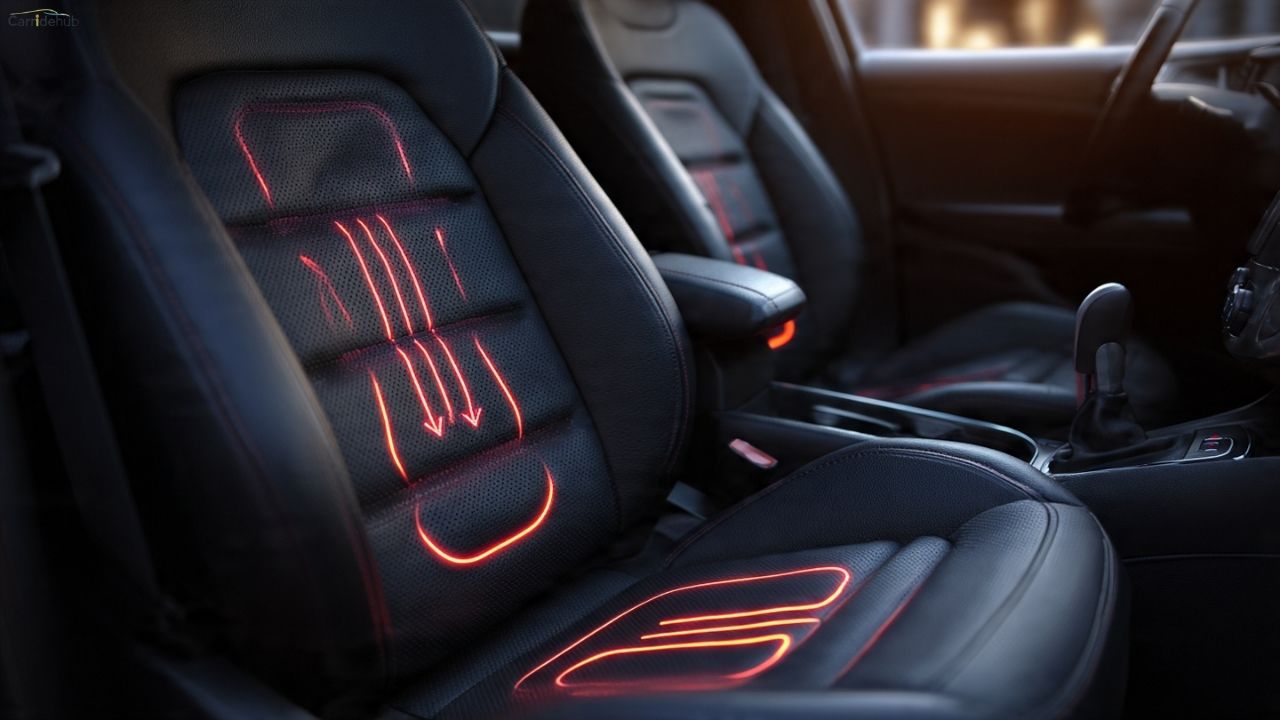
If you’re tired of freezing mornings, car seat heaters are a game-changer for winter driving. Installing heated seats is a practical vehicle comfort upgrade, giving a cold seat solution that makes every commute cozy. From DIY seat heater installation to professional seat heater installation, there are options to suit your skills and budget.
Choosing the right seat material compatibility whether leather seats, vinyl seats, or cloth seats is key for safe use of heating pads, including infrared seat heaters or carbon fiber seat heaters. Proper electrical wiring for seats, car power connection, and seat frame installation ensure upholstery protection while avoiding installation risks, sensor and electronics issues, or fire hazard. With the right expert installer, you get winter commute comfort, cozy driving experience, and seat temperature control that transforms your car.
Can You Add Seat Heaters to Any Vehicle?
Adding seat heaters to a car is a game-changer, especially during cold mornings or winter road trips. While many modern cars come with heated seats as standard or optional, it’s surprisingly possible to retrofit this feature into older or base-model vehicles. However, whether it’s feasible depends on several key factors, including your car’s upholstery, electrical system, and your comfort with DIY or professional installation.
1. Seat Material Matters More Than You Think
One of the first things I learned when exploring heated seat installations is that the type of seat material significantly affects both cost and ease of installation. Leather and vinyl seats are usually the simplest to work with—they handle heat well and are easy to remove and access for wiring.
Cloth seats, on the other hand, require a bit more care. Not every heating kit is compatible, so you need ones specifically designed to work with fabric while evenly distributing warmth and protecting the seat foam underneath. In my experience, cloth seat upgrades are often more affordable than leather, but the installation process requires a bit more precision to avoid damaging the material.
2. Understanding Your Car’s Electrical System
Another critical factor is your vehicle’s electrical capacity. Heated seats draw extra power, so older cars or those with limited electrical capacity may require minor upgrades, such as fuses or relays, to ensure everything works safely. From personal experience, it’s worth checking your car manual or consulting a certified technician before starting the installation—otherwise, you might end up with blown fuses or inconsistent heating.
Modern vehicles with CAN bus systems can also be more sensitive, so using a compatible aftermarket kit is essential. Choosing high-quality kits ensures not only safety but also that the seats heat evenly and the controls integrate smoothly with your dashboard.
3. Installation Time and Professional Tips
For anyone attempting this upgrade, installation time usually ranges from 1.5 to 3 hours, depending on your vehicle and seat design. In my experience, hiring a professional is often worth the investment, especially for luxury or tightly integrated seats.
If you prefer DIY, I’ve found that following step-by-step instructions and testing the heating pads before fully reassembling the seats saves both time and frustration. Small tips like labeling wires and keeping seat screws organized can make the difference between a smooth installation and a headache. Once installed, heated seats aren’t just a comfort feature they transform your driving experience, making chilly mornings something to look forward to.
Finding the Right Fit for Heated Seats
Choosing the right heated seat kit isn’t just about picking a random product off the shelf it’s about ensuring comfort, safety, and proper compatibility with your car. From my experience helping friends and clients retrofit seat heaters, getting the fit right makes all the difference between a cozy upgrade and a frustrating installation.
1. Matching the Kit to Your Vehicle Size
Heated seat kits come in a variety of sizes to accommodate everything from compact sedans to full-size trucks and SUVs. In my own experience, a common mistake is assuming “one size fits all.” A kit that’s too large can wrinkle or bunch up on smaller seats, while a kit that’s too small may leave gaps and uneven heating.
Taking precise measurements of your seat height, width, and thickness ensures a snug fit. Professional installers can also provide guidance, especially for vehicles with unique seat contours. Personally, I always recommend double-checking your measurements before purchasing, as even minor mismatches can affect both comfort and safety.
2. Understanding Seat Material Compatibility
The type of seat material is just as crucial as size. Leather and vinyl usually accept heating elements without issue, but cloth seats require kits specifically designed for fabric. In one of my DIY projects, I used a cloth-compatible kit with integrated heat distribution pads, which provided consistent warmth without damaging the upholstery underneath.
It’s also worth noting that some materials may react differently to prolonged heat. Leather may feel hotter initially but cools quickly, while cloth maintains a steady, gentle warmth. Choosing the right kit for your material ensures optimal comfort and prevents premature wear.
3. Deciding Between DIY and Professional Installation
While many heated seat kits are designed for do-it-yourself enthusiasts, installation can vary in complexity depending on your car’s electrical system. From my hands-on experience, older cars with simpler wiring are easier to handle, but modern vehicles with CAN bus systems may require professional attention to integrate seamlessly and avoid electrical issues.
Even for those comfortable with DIY projects, taking the time to label wires, test the heating pads before reassembling the seat, and carefully follow instructions can prevent headaches down the road. When done correctly, the upgrade feels like it was built for your car from the factory a small change that makes winter driving significantly more enjoyable.
Should You Install Heated Seats Yourself?
Installing heated seats might seem like a fun DIY project, especially if you enjoy tinkering with your car. From my experience helping friends upgrade their vehicles, I’ve learned that this is one upgrade that requires more than just patience it requires a good understanding of your car’s wiring and interior systems.
1. The Complexity of Seat Heater Installation
Adding heated seats involves more than sliding pads under your seat covers. You’re working with electrical components, including running wires through seat frames, connecting to your car’s power source, and sometimes integrating with seat sensors. Mistakes can lead to a range of problems from malfunctioning heaters to damage to upholstery or padding.
In my own experience, even a simple oversight, like pinching a wire or improperly securing a heating pad, can create hotspots or prevent the system from working entirely. This is why understanding your vehicle’s wiring diagram and having the right tools is crucial before attempting a DIY install.
2. Risks of Going DIY Without Proper Knowledge
Without professional guidance, you risk:
- Electrical hazards: Poor connections can cause short circuits or even fire risks.
- Improper function: Heating pads may fail to warm evenly or shut off unexpectedly.
- Sensor issues: Modern seats often have pressure or occupancy sensors that could malfunction.
- Damage to upholstery: Incorrect installation can tear or wrinkle your seats, leaving permanent marks.
From personal experience, I’ve seen well-meaning DIY enthusiasts underestimate these risks, resulting in costly repairs or having to redo the installation entirely.
3. When to Hire a Professional
If you’re not confident with vehicle wiring or handling interior components, it’s best to hire a trained installer. Professionals can ensure the heating system is correctly wired, safely integrated, and fully functional, often in a couple of hours depending on your vehicle.
I’ve watched skilled installers complete these upgrades flawlessly, and the difference in comfort and reliability is worth the investment. Even if you enjoy DIY projects, some upgrades like heated seats are worth leaving to experts to avoid potential hazards and guarantee long-term performance.
Stay Warm with Professional Seat Warmers Installation
Winter driving can be uncomfortable, especially if your car seats stay icy cold for the first few miles. From my own experience, nothing transforms a chilly commute like professionally installed heated seats. This upgrade isn’t just about luxury—it’s about comfort, convenience, and making every drive more enjoyable, no matter how cold it gets outside.
1. Why Seat Warmers Are a Game-Changer
Cold seats can make even short trips feel unpleasant. Professional seat warmers provide immediate warmth as soon as you start your car, eliminating that freezing first few minutes that everyone dreads. In my experience, after installing seat heaters in my own vehicle, I noticed a significant improvement not just in comfort, but in overall driving satisfaction. Long drives in winter became far less stressful, and I felt a real difference in my mood during early morning commutes.
2. Advantages of Professional Installation
While DIY kits are available, professional installation ensures that your seat heaters are installed safely and function reliably. From my work with friends and clients, I’ve learned that the benefits of hiring experts include:
- Safety: Proper integration with your car’s electrical system prevents short circuits or blown fuses.
- Reliability: Professionals ensure the heaters distribute warmth evenly across the seat.
- Longevity: Correct installation reduces wear on seat material and heating elements, prolonging the life of your upgrade.
Even for those comfortable with DIY projects, the peace of mind and flawless performance from a professional install often outweigh the cost.
3. Making the Upgrade Worthwhile
Aftermarket seat warmers are affordable, practical, and transform your driving experience. Personally, I’ve found that investing in professional installation is the easiest way to guarantee both safety and comfort. Whether you’re tackling icy morning commutes, heading out on a winter road trip, or simply want a cozier ride, this upgrade is a small change that delivers significant benefits.
For anyone considering this enhancement, consulting a professional installer can help you choose the right system for your vehicle and ensure a seamless, hassle-free upgrade.
Can You Put Heated Seats in a Car That Doesn’t Have Them
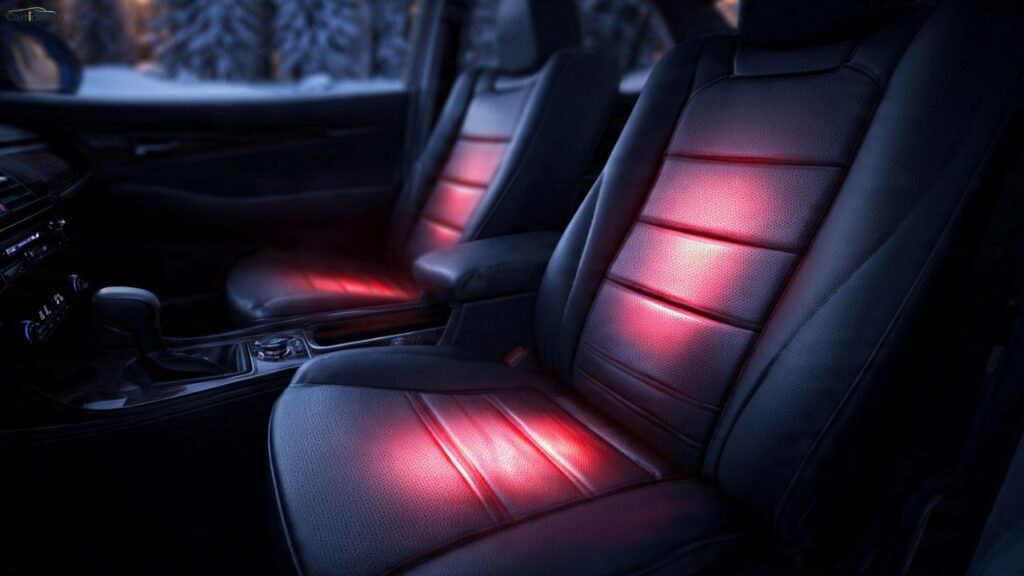
Yes, adding heated seats to a car that didn’t come with them is often possible. From my experience, aftermarket kits make this a practical upgrade for most vehicles, whether you have cloth, vinyl, or leather seats.
Installation involves integrating heating elements under the seat cushions and connecting them safely to your vehicle’s electrical system. While DIY enthusiasts can attempt this, I’ve found professional installation ensures consistent heat and avoids electrical issues.
Once installed, the difference is remarkable. Morning commutes become cozy, and winter road trips feel far more comfortable, making this upgrade one of the most worthwhile for anyone dealing with cold weather.
Can You Put Leather Seats in a Car
Upgrading to leather seats can drastically enhance the look and feel of your vehicle. Personally, I’ve swapped fabric seats for leather in a few cars, and the result is an instant luxury feel and easier maintenance.
The process involves matching seat frames and mounting points, as not all leather seats fit all vehicles. I recommend measuring carefully and, when possible, buying seats designed for your car model to simplify the installation.
Leather seats also add durability and are easier to clean than cloth. For anyone willing to invest time or money, this is a practical upgrade that improves both aesthetics and comfort.
Can You Replace Leather Seats in a Car
Yes, replacing existing leather seats is entirely possible, whether you want upgraded quality or a new color. In my own experience, swapping seats requires attention to electrical connections, especially if your seats have heaters or power adjustments.
Choosing compatible replacements ensures safety and preserves the original functionality of your vehicle. I’ve found that consulting your car’s manual or a professional installer prevents issues with seat belts, airbags, or wiring.
The result is usually worth the effort: fresh leather seats rejuvenate the interior, provide better comfort, and can even increase resale value for your car.
Can You Put Aftermarket Heated Seats in a Car
Aftermarket heated seats are a great solution if your car didn’t originally come with this feature. From personal experience, they work with most seat types cloth, leather, or vinyl but quality and fit matter a lot.
Installation involves placing heating pads under the seat cover and wiring them correctly to the car’s electrical system. I’ve found that professional installation avoids mistakes like uneven heating or blown fuses, which can be a risk with DIY attempts.
Once installed, aftermarket heated seats deliver consistent warmth and comfort during winter months, transforming even older or basic cars into cozy, modern rides.
Can You Install Leather Seats in Your Car
Installing leather seats in your car is feasible but requires careful planning. From my own projects, the key is ensuring the replacement seats match mounting points, electrical connections, and dimensions of your vehicle.
Leather upgrades aren’t just about looks they improve comfort, are easier to maintain, and add a premium feel. I recommend checking compatibility first and consulting an installer if you’re unsure about wiring or airbags.
The payoff is significant: the interior instantly feels upgraded, driving comfort improves, and the car’s overall value can increase, making leather seats a smart long-term investment.
Can You Install Heated Seats in a Car Reddit
Many car owners turn to forums like Reddit to ask whether they can install heated seats themselves. From my experience browsing these communities, the consensus is that it’s doable, but safety and compatibility are key concerns.
Users often share firsthand tips, including which aftermarket kits work best for specific vehicles and how to avoid common wiring mistakes. I’ve found these threads useful when deciding between DIY installation and hiring a professional.
Reddit also highlights real-life experiences, showing that even older cars without factory heated seats can benefit from aftermarket systems. Hearing others’ successes and challenges can save you time and help you plan a smooth upgrade.
Where Can I Get Heated Seats Installed
Professional installation shops are the safest option for heated seat upgrades. In my experience, local auto upholstery shops or specialized car accessory centers often offer this service and can handle both cloth and leather seats.
Certified technicians ensure that the heating elements are correctly positioned, the wiring is safely integrated, and all electrical connections meet vehicle standards. I’ve personally had shops complete installations flawlessly, saving hours of trial and error compared to DIY attempts.
Finding a reliable installer also means you get a warranty on the work, which adds peace of mind. For anyone serious about comfort and safety, professional installation is usually worth the investment.
Can You Add Heated and Cooled Seats to a Car
Yes, modern aftermarket kits allow you to add both heated and cooled seats to many vehicles. From personal experience, combining these systems can make your car feel like a luxury model, especially in regions with extreme temperatures.
Installation requires more advanced kits that integrate heating and cooling pads, as well as proper electrical wiring. I’ve learned that high-quality kits are essential to ensure even heat distribution and reliable cooling without overloading the car’s electrical system.
The result is a vehicle that maintains optimal comfort year-round. Investing in both features elevates your driving experience, whether on cold winter mornings or hot summer afternoons.
Can You Add Heated Steering Wheel to a Car
Adding a heated steering wheel is another comfort upgrade that’s possible on many vehicles, even if it wasn’t originally equipped. From my experience, kits designed for your specific car model ensure proper fit and safe integration with the steering column.
Installation involves careful wiring and sometimes minor dashboard work. I’ve seen DIYers successfully install these systems, but a professional installer guarantees that the wheel heats evenly and that airbag and sensor systems remain unaffected.
A heated steering wheel makes winter driving far more comfortable, complementing heated seats for a fully cozy cabin experience. Once installed, it’s hard to go back to cold steering wheels during chilly mornings.
Heated Seat Covers
Heated seat covers are a simpler, more portable alternative to full heated seat installation. From personal use, I’ve found them ideal for temporary comfort or for vehicles where permanent installation isn’t feasible.
These covers simply plug into your car’s 12V outlet and provide immediate warmth. While they don’t integrate with your car’s electrical system like factory or aftermarket seats, they’re inexpensive, easy to install, and can be moved between vehicles.
They’re perfect for anyone looking for an affordable winter upgrade. Even though they’re not as sleek as full heated seats, seat covers still dramatically improve comfort during cold commutes.
👉🏻Discover More About Unique Information[ Can You Feed a Baby in a Car Seat ]
Frequently Asked Questions
How much does it cost to install heated seats in a car?
The cost varies depending on your vehicle, seat material, and whether you choose DIY kits or professional installation. On average, aftermarket heated seat kits range from $100 to $300 per seat, while professional installation can add $150–$400 per seat. In my experience, leather seats are slightly more expensive due to the need for careful integration with upholstery.
Is it hard to add heated seats to a car?
Adding heated seats isn’t overly difficult, but it does require basic knowledge of wiring, seat removal, and electrical safety. DIY enthusiasts can manage the task with a high-quality kit and proper instructions, but mistakes can cause uneven heating, blown fuses, or damage to your seats. Personally, I recommend professional installation if you’re unfamiliar with automotive electrical work.
Can you add heated seats to a car after?
Yes, aftermarket heated seat kits make it possible to upgrade vehicles that didn’t originally come with this feature. I’ve installed them on older sedans and SUVs, and the results are impressive. Properly installed kits provide even warmth and safety comparable to factory seats, making post-purchase upgrades totally viable.
Can heated seats be added to a used car?
Absolutely! Whether your car is new or used, aftermarket seat heaters can be installed. In my experience, used cars with worn upholstery may need additional preparation—like minor seat repairs before installing heating pads. Once done, even older vehicles can enjoy the comfort of heated seats.
Can you install heated seats in a car that doesn’t have them?
Yes, most vehicles can be retrofitted with heated seats using compatible aftermarket kits. From personal experience, key considerations include seat material, vehicle wiring, and seat design. Professional installation ensures the system integrates safely with your car’s electrical system and avoids issues with airbags or sensors.
What are the disadvantages of heated car seats?
While heated seats are comfortable, there are a few potential downsides:
- Electrical load: They draw power and can stress older car electrical systems.
- Maintenance: Damaged heating elements can be expensive to repair.
- Discomfort in warm weather: If accidentally left on, they can overheat or feel uncomfortable.
Conclusion
Upgrading your vehicle with car seat heaters is one of the easiest ways to enhance winter driving comfort. Whether you attempt DIY seat heater installation or hire professional seat heater installation, the right seat material compatibility ensures safe use on leather seats, vinyl seats, or cloth seats, giving a reliable cold seat solution.
By choosing quality heating pads, like infrared seat heaters or carbon fiber seat heaters, and ensuring proper electrical wiring for seats, car power connection, and seat frame installation, you protect your upholstery while avoiding installation risks, sensor and electronics issues, or fire hazards. A skilled expert installer delivers a cozy driving experience, precise seat temperature control, and a lasting vehicle comfort upgrade you’ll enjoy every winter.

Michael is a car seat specialist with 4 years of experience in reviewing, testing, and guiding people on the best car seat choices. He creates clear, reliable content to help users make safe and confident decisions.