
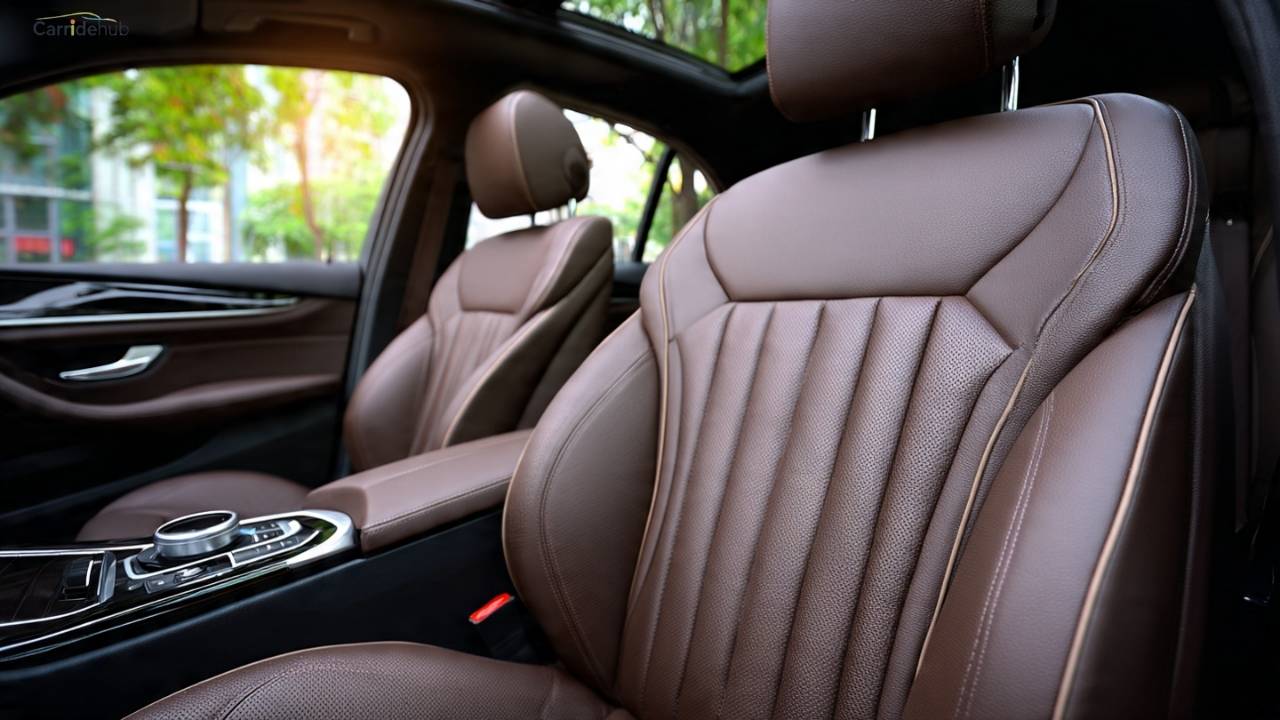
Keeping your car fresh starts with knowing how to clean cloth seats in the car properly. From fabric seat cleaning and upholstery maintenance to removing stubborn stains, the right approach makes a huge difference. Vacuuming your car seats first and practicing regular cloth car seat care sets the stage for a deep, lasting clean.
For tough spots, deep cleaning fabric seats with car interior detailing tools works wonders. Using carpet and upholstery shampoo, citrus fabric cleaner, or a stain extractor along with scrubbing cloth seats and microfiber towels helps remove residue and lift stubborn stains. Whether using manual cleaning methods or machine-assisted upholstery cleaning, even heavily soiled cushions can look like new.
Prepare Your Gear
Before jumping into the action, make sure you have these essentials on hand to get your seats looking fresh and feeling fabulous:
Foaming Citrus Fabric Clean Carpet & Upholstery Shampoo
Citrus-powered magic that lifts dirt and grime from fabrics with a refreshing scent.
Lightning Fast Stain Extractor for Fabric
Tackles tough stains without the elbow grease; perfect for targeted spot cleaning.
Microfiber Workhorse Towel
Ultra-absorbent, designed to wipe away residue and soak up excess moisture, leaving seats spotless.
If You’re Going Manual:
Nifty Interior Detailing Brush
Perfect for those who like hands-on scrubbing with precise control over delicate fabrics.
If You’re Going Drill-Powered:
Gray Light Duty Drill Brush
Gentle on sensitive fabrics, ideal for light stains.
Yellow Medium Drill Brush
A bit more muscle for tougher grime on resilient fabrics.
If You’re Using Da Machine:
Da Machine
Dual-action powerhouse for deep cleaning those extra-tough stains with efficiency.
Hook-and-Loop Carpet and Upholstery Brush
Made for the DA Machine, lifts dirt and grime from fabric seats like a pro.
Now you’re all set to transform those seats and banish stains like a pro.
Step 1: Vacuum the Fabric
Before doing anything else, I always start by vacuuming my car seats thoroughly. It’s amazing how much dust, crumbs, and debris accumulate over time—especially if you have kids or pets. A good vacuum session not only removes loose dirt but also makes the next steps far more effective.
Pay special attention to the seams, crevices, and edges where dirt loves to hide. I often use a narrow nozzle attachment so I can get into those hard-to-reach areas without scratching the fabric. You’d be surprised how much grime can be hiding there.
Vacuuming first also prevents dirt from embedding deeper into the fibers when we start scrubbing. From personal experience, skipping this step usually means the seats never feel fully clean even after shampooing.
Step 2: Choose and Prepare Your Cleaner
Next, selecting the right cleaner makes all the difference. I prefer using a citrus-based fabric shampoo for everyday stains, but for tougher spots, a specialized stain extractor works wonders. Mixing the cleaner with water in the right ratio is key; too strong can damage the fabric, and too weak won’t lift dirt effectively.
From my experience, applying a little cleaner to a hidden spot first helps prevent surprises. This way, I know it won’t discolor or weaken the material. Safety first especially with older cars or delicate fabrics.
Preparing your cleaner ahead of time also speeds up the process. Having a spray bottle, a brush, and microfiber towels ready means you can work methodically instead of scrambling mid-clean. Trust me, organization matters more than most people realize.
Step 3: Saturate Each Section
Once your cleaner is ready, it’s time to gently saturate each seat section. I like to work in small segments so the fabric doesn’t stay too wet for too long, which can cause water stains or lingering odors. Spraying evenly ensures every fiber gets treated.
When I started doing this, I learned that over-saturating can actually make the cleaning process harder. A light but thorough mist combined with a few minutes of dwell time gives the best results. It helps the cleaner loosen dirt and grime before scrubbing.
This step is also satisfying because you can already see the transformation beginning. Even stubborn spots start lifting after the cleaner settles in here’s something almost therapeutic about watching your car seats regain their original freshness.
Step 4: Scrub the Fabric
Now comes the hands-on part: scrubbing. I usually use a soft-bristled brush for delicate fabrics and a bit more pressure on heavily soiled areas. Circular motions help lift dirt without damaging the fibers, and I always keep a microfiber towel nearby to wipe away excess foam.
From my experience, patience pays off here. Rushing this step often leaves spots behind or streaks on the fabric. Spending an extra minute or two on each section ensures a deep, even clean that lasts longer.
Finally, I always give the seats a final wipe with a clean, damp microfiber towel. This removes any remaining residue and prepares the fabric for air drying. By the end, the seats feel refreshed, look revitalized, and smell noticeably cleaner a reward every car owner can appreciate.
Cleaning Fabric by Hand
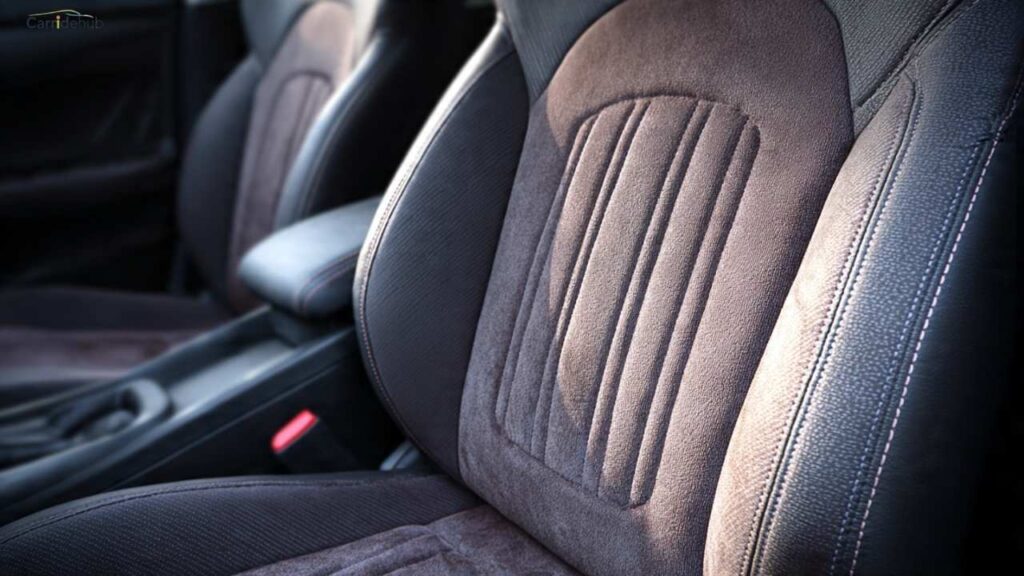
Cleaning your car’s cloth seats by hand is surprisingly effective when done correctly. From personal experience, using a gentle brush and quality upholstery cleaner allows me to target stubborn stains without soaking the fabric too much. Hand cleaning gives me complete control over pressure and technique, making it perfect for delicate or older fabrics that might not withstand machine cleaning.
Choose the Right Brush
Selecting the correct brush is the first step to effectively cleaning fabric seats. From my experience, a soft-bristled brush works best for delicate fabrics, while medium or stiff bristles are ideal for heavily soiled areas. Using the right brush prevents fraying the fibers and ensures you lift dirt without damaging the seat’s texture.
I always keep a small detailing brush for seams and crevices where dirt loves to hide. In my years of cleaning cars, I’ve learned that taking the time to match the brush to the fabric type makes the entire cleaning process smoother and more efficient.
Scrub the Surface
Once you’ve chosen your brush, scrubbing the seat evenly is key. I use gentle, circular motions, focusing on high-traffic areas while applying slightly more pressure on stubborn stains. This technique helps loosen embedded dirt and brings out the fabric’s natural look without causing wear.
I also like to work in small sections. Breaking the seat into manageable areas ensures that the cleaner doesn’t dry out too quickly and that every fiber gets treated. Over time, this method has consistently given me the deepest, most even clean for cloth seats.
Remove Residue
After scrubbing, removing any leftover cleaner is essential to prevent streaks or sticky residue. I always follow up with a clean, damp microfiber towel to wipe down each section, ensuring the fabric feels soft and looks spotless.
From personal experience, this step is often overlooked, but it makes a huge difference in the final result. Properly removing residue not only keeps the seats looking fresh but also extends the life of the fabric, making future maintenance much easier.
Cleaning Fabric by Drill
Using a drill-powered brush for cleaning car seats is a game-changer when dealing with stubborn dirt and stains. From my experience, it combines efficiency with control, allowing you to deep clean fabric seats faster than hand scrubbing while minimizing physical strain. It’s especially useful for larger areas or older cars where dirt has set in over time.
Select the Right Brush Attachment
Choosing the correct brush attachment for your DA (dual-action) machine is essential to achieve a deep, effective clean without damaging the fabric. From my experience, a soft or medium carpet and upholstery brush works best for most cloth seats, while firmer brushes are better suited for heavily soiled areas. Matching the brush to the fabric type ensures thorough dirt removal while keeping the seat material intact.
I always test the brush on a hidden area first. This simple step prevents surprises like discoloration or fraying and gives me confidence to tackle the entire seat. Over time, I’ve found that investing a few extra seconds in brush selection pays off with consistently professional results.
Start Scrubbing
Once the attachment is selected, it’s time to let the DA machine do the work. I lightly mist the fabric with a suitable cleaner, then work the brush across the seat in slow, overlapping motions. From personal experience, keeping the machine moving evenly prevents the fabric from becoming oversaturated or unevenly cleaned.
I like to focus on high-traffic areas and stubborn stains, giving them a few extra passes. Using a DA machine in this way combines power with precision, allowing me to lift deep-set grime while maintaining the integrity and softness of the fabric.
Wipe Away Residue
After scrubbing, removing excess cleaner and lifted dirt is critical. I use a clean, slightly damp microfiber towel to gently blot the fabric, ensuring no sticky residue remains. In my experience, skipping this step can leave the seats feeling rough or attracting new dirt faster.
I also make sure to work section by section, which guarantees an even clean and prevents streaks or water spots. Properly wiping away residue after DA machine cleaning is the final step that really brings the seats back to looking refreshed and almost like new.
Clean Fabric By DA Machine
Cleaning cloth seats with a DA (dual-action) machine is one of the most efficient ways to restore your car’s interior. From my experience, the DA machine’s spinning action combined with the right upholstery brush lifts deep-seated dirt and grime far more effectively than hand scrubbing. It’s especially helpful for larger areas or older vehicles where stains have settled over time.
I always start by lightly misting the fabric with a suitable carpet and upholstery cleaner. Working in small sections, I let the machine gently agitate the fibers, breaking down dirt while minimizing moisture saturation. Over the years, I’ve found that this method not only cleans thoroughly but also helps maintain the fabric’s texture and prevents premature wear.
Attach the Brush
The first step in using a DA machine effectively is attaching the correct brush for your fabric type. From personal experience, I always match the brush stiffness to the seat material—soft brushes for delicate fabrics, medium or firm brushes for stubborn stains. Using the right attachment ensures deep cleaning without fraying or damaging the fibers.
I also test the brush on a hidden section first to make sure it won’t leave marks. This small precaution saves a lot of frustration and gives confidence that the rest of the seat can be cleaned efficiently and safely.
Work the Fabric
Once the brush is attached, I move the machine in slow, controlled motions across the fabric. Light overlapping strokes help lift dirt evenly, while focusing on high-traffic areas ensures that stubborn grime is removed. From my experience, working in small sections prevents the cleaner from drying too quickly and ensures every fiber is treated.
I always keep an eye on moisture levels, misting lightly with cleaner as needed. This approach allows the DA machine to agitate the fabric effectively without oversaturating it, which is key to avoiding water stains or lingering odors.
Final Wipe
After scrubbing, removing excess cleaner and lifted dirt is crucial. I use a clean microfiber towel to gently blot each section, ensuring no residue or sticky spots remain. From my experience, this step makes a dramatic difference in both the look and feel of the seats, leaving them soft, fresh, and ready for use.
Wiping section by section also prevents streaking and helps the fabric dry evenly. I’ve found that taking the time for a careful final wipe consistently gives a professional, refreshed appearance almost like the seats are brand new.
Step 4: Allow the Seats to Dry
After cleaning, allowing your cloth seats to dry completely is essential for a fresh, long-lasting finish. From personal experience, I always leave the windows open or park in a well-ventilated area to speed up airflow and prevent moisture from lingering. Proper drying prevents water spots, mold, or unpleasant odors from developing on the fabric.
I also like to avoid using high heat directly on the seats, as it can shrink or weaken fibers over time. Patience here is key letting the fabric dry naturally ensures that your seats not only look clean but maintain their softness and durability for months to come.
How to Deep Clean Fabric Car Seats Without Leaving Water Stains
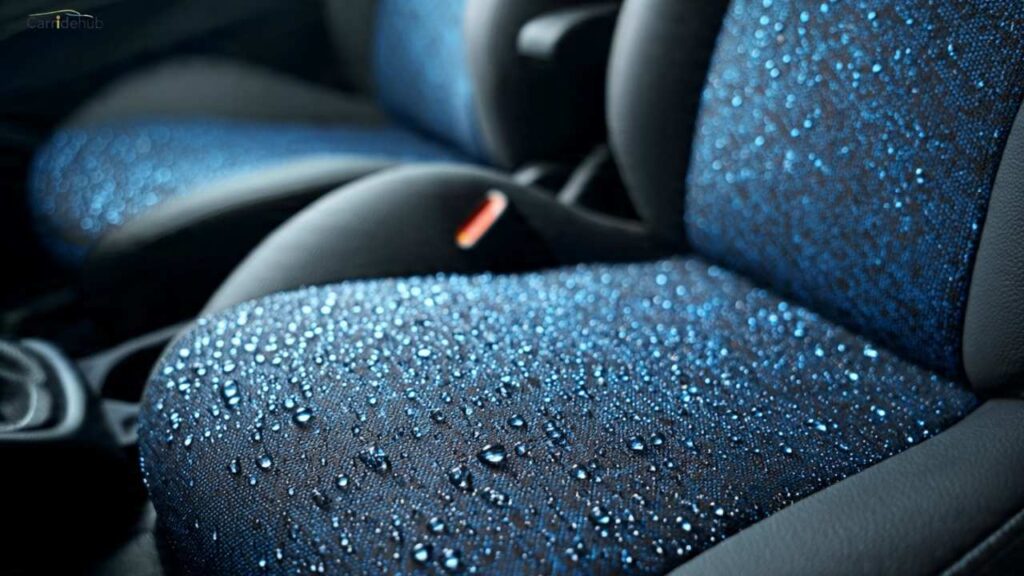
Deep cleaning fabric car seats can be tricky, especially when you want to avoid water stains. From my experience, the key is using minimal liquid and working in small sections. Light misting of a fabric-safe cleaner allows the fibers to absorb just enough moisture for effective cleaning without soaking the material.
I always start with a thorough vacuum to remove loose dirt and crumbs. This prevents debris from embedding deeper during scrubbing and ensures that the cleaner can do its job efficiently.
For scrubbing, I prefer a soft-bristled brush or a microfiber cloth in gentle circular motions. This technique loosens dirt while controlling moisture, reducing the risk of water marks.
Finally, I use a clean, slightly damp towel to blot any excess cleaner immediately. Patience in air drying, with windows open or fans circulating, ensures a smooth, residue-free finish that keeps the seats looking like new.
Best Ways to Remove Stains From Cloth Car Seats (With Household Solutions)
Household solutions like white vinegar, baking soda, or mild dish soap can be surprisingly effective on cloth seat stains. From personal experience, creating a diluted solution and applying it carefully to the affected area prevents over-saturating the fabric while lifting stubborn spots.
I often pre-treat tough stains by letting the solution sit for a few minutes before scrubbing. This softens dirt and grime, making it easier to remove without harsh scrubbing.
Using a soft brush or microfiber cloth, I gently agitate the stain in circular motions. Over time, I’ve learned that this method avoids spreading the stain while maximizing removal.
After scrubbing, I always wipe away excess solution with a clean towel and allow the area to air dry. This simple step prevents residue buildup and keeps the seat fibers soft and clean.
DIY Cloth Car Seat Cleaning: From Vacuuming to Fabric Protection
DIY cloth seat cleaning is all about consistency and technique. From my experience, a good routine starts with vacuuming to remove dust, crumbs, and pet hair, which sets the stage for deeper cleaning.
Next, I use a gentle fabric cleaner applied in sections to avoid oversaturating the seats. Working systematically ensures each area is treated evenly, preventing water marks or streaking.
After cleaning, scrubbing with a soft brush or microfiber cloth lifts dirt while preserving the fabric’s texture. I always focus on high-traffic areas where grime tends to accumulate.
Finally, I recommend applying a fabric protector or refresher spray once the seats are dry. This step adds a protective layer, making future stains easier to clean and helping maintain the overall appearance of your car’s interior.
How to Clean and Maintain Cloth Car Interior Fabric, Including Roof and Seats
Cleaning cloth interiors isn’t just about the seats—fabric roofs and side panels also collect dust and odors. From my experience, using a gentle upholstery cleaner with a microfiber cloth works well for all fabric surfaces without risking discoloration.
I start by lightly misting the cleaner on the surface and letting it sit for a minute. This loosens dirt and allows me to lift it with minimal scrubbing, which preserves the fibers over time.
For ceilings and hard-to-reach spots, a soft brush or detailing tool ensures dirt is removed without damaging the fabric. I’ve found this method particularly useful for preventing sagging or streaking on the roof lining.
Maintenance is key: regular vacuuming, prompt stain treatment, and occasional fabric refresher sprays keep the interior fresh, odor-free, and long-lasting. This approach saves time and effort compared to infrequent deep cleans.
How to Clean the Cloth Seats in My Car
Cleaning your car’s cloth seats properly requires a step-by-step approach. From personal experience, I always start by removing loose dirt and debris with a vacuum, which prevents grit from scratching the fabric during cleaning.
Next, I choose a suitable cleaner, whether a citrus-based upholstery shampoo or a mild DIY solution. Applying it sparingly in sections ensures even coverage without soaking the seats.
Scrubbing gently with a soft brush or microfiber cloth lifts dirt and stains while protecting the fibers. For me, working section by section prevents uneven drying or water marks.
Finally, blotting excess moisture with a clean towel and letting the seats air dry completes the process. Following this method consistently keeps my seats looking fresh, soft, and well-maintained.
How to Clean Fabric Car Seats Without a Machine
Cleaning fabric car seats without a machine is entirely possible with the right tools and techniques. From my experience, a spray-on cleaner, soft brush, and microfiber cloth are sufficient for deep, effective cleaning.
I start with vacuuming to remove dust and crumbs, which makes scrubbing more efficient. Pre-treating stains with a small amount of cleaner helps lift them without spreading or oversaturating the fabric.
Using gentle circular motions with a brush or cloth loosens dirt while preserving the texture. I’ve found that scrubbing carefully rather than forcefully achieves the best results.
Finally, wiping away residue with a damp towel and allowing the seats to air dry ensures no water marks or leftover soap remain. This method works just as well as a machine for regular maintenance and light to medium stains.
How to Clean Car Interior Fabric Roof
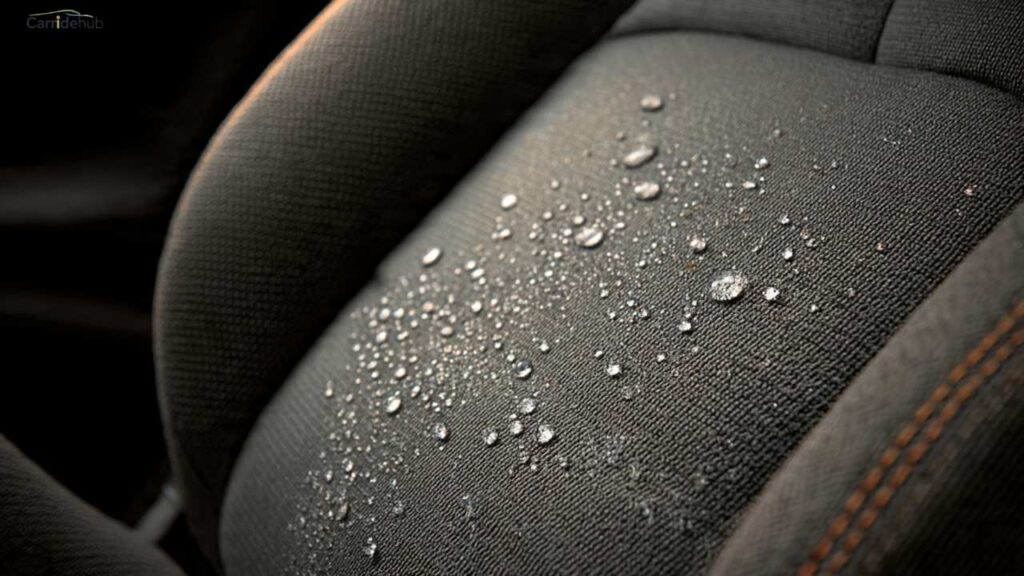
The fabric roof of a car can collect dust, smoke, and odors over time, making it look dull. From personal experience, lightly spraying a fabric-safe cleaner and gently wiping with a microfiber cloth works best to lift grime without soaking the lining.
For stubborn spots, a soft detailing brush helps agitate dirt without damaging the delicate fabric. I always work in small sections to avoid over-wetting and ensure even cleaning.
After scrubbing, I blot excess moisture with a clean towel. This step prevents water stains and ensures the roof dries evenly.
Regular maintenance, including light vacuuming and quick spot treatments, keeps the interior roof looking fresh and prevents buildup, saving time on deep cleans later.
👉🏻Discover More About Unique Informations[ How to Clean Leather Car Seats ]
Frequently Asked Questions
What’s the best way to clean fabric seats in a car?
The best way is a step-by-step approach: start by vacuuming to remove loose dirt, then apply a fabric-safe cleaner (commercial upholstery shampoo, citrus-based cleaner, or a mild DIY solution). Scrub gently with a soft brush or microfiber cloth in circular motions, blot excess moisture with a clean towel, and allow the seats to air dry. For tough stains, spot-treat before full cleaning.
Are you supposed to wash car seat fabric?
Yes, but carefully. Fabric car seats should not be soaked like clothing. Instead, use minimal liquid and targeted cleaning techniques, such as spray cleaners or foam upholstery shampoos, to prevent water stains, mildew, or fabric damage. Always work in small sections and dry thoroughly.
What not to use when cleaning car interior?
Avoid harsh chemicals like bleach, ammonia, or abrasive cleaners. Also, never use overly wet cloths or high-pressure water directly on fabric, as this can leave water stains or weaken fibers. Harsh scrubbing tools or brushes can also fray the material.
Can you use Dawn dish soap to clean cloth car seats?
Yes, but in moderation. A few drops of Dawn mixed with warm water can work for light stains, but it must be diluted. Too much soap or scrubbing too hard can leave residue or make the fabric sticky. Always rinse lightly with a damp microfiber towel and air dry.
What do professional detailers use to clean the inside of cars?
Detailers often use specialized upholstery cleaners, dual-action (DA) machines, microfiber brushes, and steam cleaners. They focus on using minimal moisture, professional-grade stain removers, and fabric-safe chemicals to lift dirt and odors while preserving seat integrity.
Is Dawn dish soap good for cleaning upholstery?
Dawn can be used for minor stains or DIY spot cleaning, especially on fabric, but it is not ideal for full-seat deep cleaning. It works best diluted, applied sparingly, and followed by blotting and air drying to avoid soap residue.
Conclusion
Cleaning your car becomes much easier when you follow the right steps for how to clean cloth seats in the car. Regular fabric seat cleaning, upholstery care, and vacuuming prevent dirt buildup and keep your seats looking fresh. Combining deep cleaning of fabric seats, car interior detailing, and consistent cloth car seat maintenance ensures grime is removed while maintaining the fabric’s texture.
For stubborn spots, using carpet and upholstery shampoo, citrus-based fabric cleaner, or a stain extractor along with scrubbing cloth seats, interior detailing brushes, or a drill brush can make a significant difference. Whether you choose manual cleaning, machine-assisted upholstery cleaning, or a dual-action machine, proper residue removal and using a cross-hatch scrubbing technique help restore cloth seats to a like-new condition.

Michael is a car seat specialist with 4 years of experience in reviewing, testing, and guiding people on the best car seat choices. He creates clear, reliable content to help users make safe and confident decisions.