
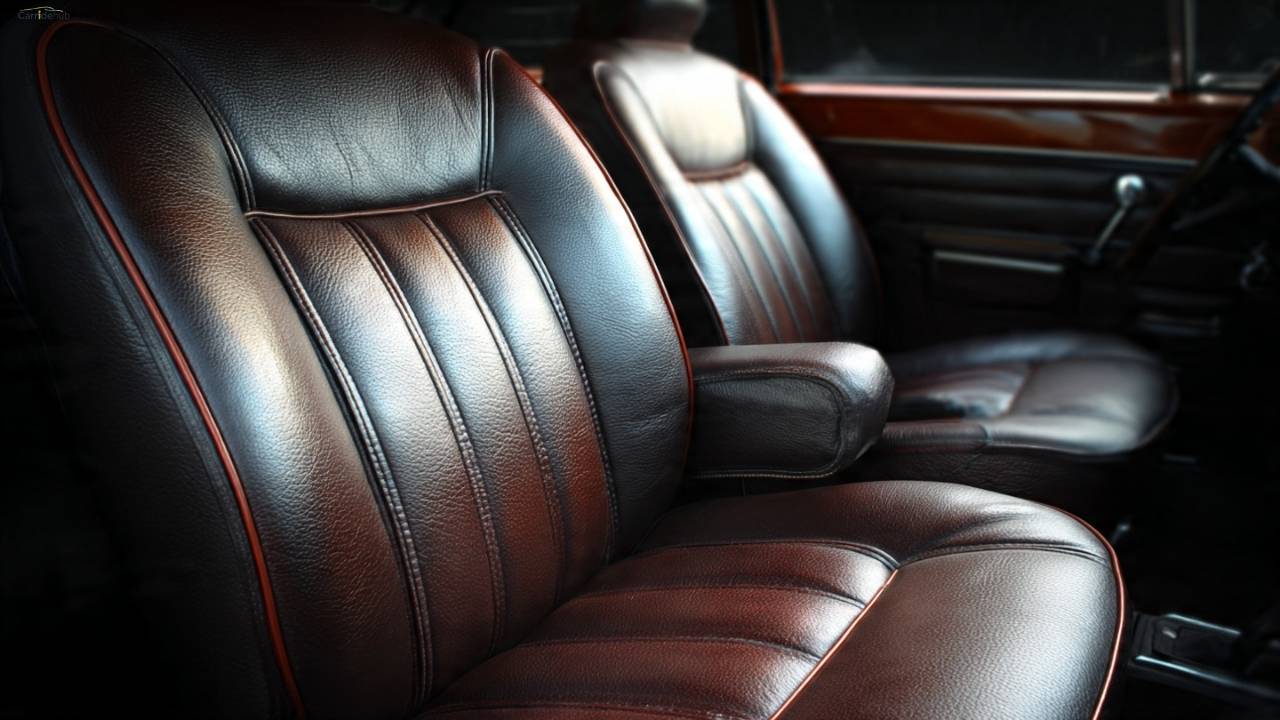
Keeping your leather car upholstery spotless is easier than it seems with the right approach. Regular leather seat cleaning and car leather maintenance using a leather cleaning solution or pH-neutral leather cleaner, along with a soft bristle brush and microfiber towel, helps tackle delicate leather cleaning and tough leather stains without damaging your seats. From my personal experience, combining vacuum cleaner for car sessions with dirt and debris removal makes a noticeable difference in vehicle interior cleaning.
To protect your investment, always follow home leather cleaning tips and use proper cleaning tools for leather. Applying an OEM-approved leather conditioner or gentle leather cleanser ensures leather seat protection, prevents cracking, and maintains premium leather maintenance. With simple steps like stain removal leather seats, clean and buff leather, and caring for perforated leather seats, your ride can enjoy car cabin luxury, leather seat restoration, and long-lasting leather seat longevity.
Gather Your Supplies
Before you start cleaning your leather car seats, it’s important to gather all the necessary supplies. You’ll need a soft microfiber cloth, a bucket of warm water, mild soap or a leather cleaner, and optionally, white vinegar for stubborn stains. Having everything ready ensures you don’t have to stop midway and risk uneven cleaning or damage.
Additionally, keep a soft-bristled brush or an old toothbrush handy for getting into creases and stitching. You might also want a leather conditioner to apply after cleaning to keep your seats supple and prevent cracking. Being prepared with the right tools makes the cleaning process faster, safer, and more effective.
What Leather Cleaning Materials Will You Need?
- Soft microfiber cloths for gentle cleaning and drying
- Bucket of warm water to mix with soap or cleaner
- Mild liquid soap or dedicated leather cleaner
- White vinegar for natural cleaning and stain removal
- Soft-bristled brush or old toothbrush for creases and seams
- Leather conditioner to maintain softness and prevent cracking
- Optional spray bottle for applying cleaning solution evenly
Vacuum the Seats
Start by removing any loose debris from your leather car seats. Dust, crumbs, and dirt can accumulate over time, especially in seams and creases. Clearing these particles first prevents them from scratching or damaging the leather during cleaning.
Use a vacuum cleaner equipped with a soft brush attachment. This ensures that the leather surface remains smooth and free from abrasions. Gently move the vacuum over the entire seat, including edges and hard-to-reach areas.
Pay special attention to seams, stitching, and seat creases where dirt tends to hide. These areas often collect crumbs, pet hair, and small particles that a simple wipe might miss. Skipping them can result in uneven cleaning and potential stains.
A thorough vacuuming prepares the seats for the next cleaning steps. With a clean, debris-free surface, your leather will better absorb cleaning solutions. This initial step makes the overall cleaning process more effective and helps maintain the leather’s appearance.
Spot Clean Stains
Start by identifying any visible stains on your leather seats. Treating spots individually ensures they don’t spread or set into the leather. Using a targeted approach allows you to clean effectively without over-saturating the surface.
Apply a mild leather cleaner or a soap-and-water solution to a soft cloth. Gently work the cleaner into the stained area using small circular motions. Avoid scrubbing aggressively, as this can damage or discolor the leather.
For stubborn or old stains, a mixture of water and white vinegar can be effective. Lightly dab the solution onto the stain and let it sit for a few minutes before wiping. Always follow with a clean, damp cloth to remove any residue.
Once the stain is removed, dry the area thoroughly with a soft, dry cloth. Proper drying prevents water spots and keeps the leather supple. Finishing this step ensures the seat is ready for a full wipe-down and conditioning.
Clean the Entire Seat
After spot cleaning, wipe down the entire leather seat with a damp cloth and mild cleaner. Work in small sections, using gentle circular motions to remove dust, dirt, and oils. This ensures an even clean and prepares the leather for conditioning.
Here’s what you need to clean your seats:
Protecting leather
- Apply a quality leather conditioner regularly to keep seats soft and prevent cracking.
- Avoid prolonged exposure to direct sunlight to prevent fading and drying.
- Clean spills immediately to stop stains from setting into the leather.
- Use seat covers or sunshades when possible to reduce wear and tear.
- Avoid harsh chemicals or abrasive cleaners that can damage the leather surface.
Cleaning tools:
- Soft microfiber cloths for gentle wiping and drying
- Bucket or spray bottle for water or cleaning solution
- Mild leather cleaner or gentle soap
- Soft-bristled brush or old toothbrush for creases and stitching
- Leather conditioner for after cleaning
Having the right cleaning tools makes leather care easier and more effective. Using soft cloths and brushes prevents scratches while ensuring dirt is removed from seams and textured areas.
A proper leather cleaner and conditioner maintain the seat’s appearance and longevity. Preparing all tools beforehand helps you clean efficiently and protects the leather from damage.
Condition the Leather

After cleaning your leather seats, it’s important to apply a high-quality leather conditioner. Conditioning restores moisture that may have been stripped during cleaning and prevents the leather from drying out or cracking. Use a soft, clean cloth to spread the conditioner evenly across the entire surface.
Pay special attention to seams, creases, and stitching, as these areas are more prone to losing natural oils. Work the conditioner gently into these spots using small circular motions to ensure thorough absorption without damaging the leather.
Allow the conditioner to sit for several minutes so the leather can fully absorb the nutrients. This step helps restore suppleness and keeps the seats soft and flexible. Avoid wiping it off too soon, as premature removal reduces effectiveness.
Once absorbed, buff the seats lightly with a clean, dry cloth to remove any excess product. This gives the leather a smooth, polished finish and enhances its natural shine. Proper buffing also helps prevent sticky or greasy residue from building up.
For long-term care, repeat the conditioning process every few months. Regular conditioning protects against cracks, fading, and general wear, keeping your leather seats looking new and well-maintained for years to come.
Damage-Free Leather Seat Care
- Always use gentle, non-abrasive cloths when cleaning leather.
- Avoid harsh chemicals, bleach, or ammonia-based cleaners.
- Keep leather away from direct sunlight for prolonged periods.
- Don’t over-saturate the leather with water or cleaning solutions.
- Apply conditioners and cleaners sparingly to prevent buildup.
Leather is a delicate material that requires careful handling. Using the right tools and mild cleaning products prevents scratches, stains, and discoloration. Even simple actions, like wiping too hard, can damage the surface if not done carefully.
Sunlight, heat, and moisture are major factors in leather wear. Protecting seats from these elements helps maintain softness and color. Small, consistent steps in care can prevent long-term damage and extend the lifespan of your leather.
Regular maintenance ensures your car interior remains attractive and comfortable. By following gentle cleaning, proper conditioning, and avoiding harmful chemicals, you can keep your leather seats looking new for years. Consistency is key to damage-free leather care.
Products to Avoid Using On Leather Seats:
- Bleach or ammonia-based cleaners, which can discolor and damage leather
- Harsh detergents or multi-surface cleaners not formulated for leather
- Household vinegar in high concentrations without proper dilution
- Abrasive scrubbing pads or brushes that scratch the surface
- Oil-based or silicone sprays that can clog pores and cause stains
Cleaning Leather Car Seats with Soap and Water
Cleaning leather car seats with mild soap and water is a classic, reliable method I’ve used on my own car over the years. I always start by mixing a few drops of gentle liquid soap with warm water too much soap can leave residue, so moderation is key.
Using a soft microfiber cloth, I gently wipe the surface in small circular motions. This helps lift dirt and oils without scratching the leather. I’ve found that focusing on one section at a time prevents uneven cleaning.
For stubborn spots, I dip the cloth lightly in the soap solution rather than pouring water directly on the seat. This controlled method keeps the leather from getting overly saturated, which could lead to water spots.
Once the seats are clean, I wipe them again with a damp cloth to remove any leftover soap. Drying immediately with a soft towel keeps the leather smooth and ready for conditioning, which is essential for maintaining softness.
How to Clean Leather Car Seats Naturally
If you prefer a natural approach, I’ve had great results using ingredients like white vinegar or olive oil. A simple mixture of equal parts water and vinegar works wonders on mild stains without introducing harsh chemicals.
I usually dampen a soft cloth with the solution and gently dab or wipe the affected area. It’s important to avoid soaking the leather; a light touch is always safer. Over time, this method keeps the leather clean while preserving its natural oils.
For conditioning naturally, a tiny amount of olive oil rubbed in lightly can restore softness and luster. I’ve done this occasionally on my car seats, and it keeps the leather looking supple without leaving a greasy feel.
Consistency is key when using natural methods. Cleaning regularly with these gentle solutions prevents dirt buildup and extends the lifespan of your leather, all while keeping chemical exposure to a minimum.
Best for Cleaning Leather Car Seats
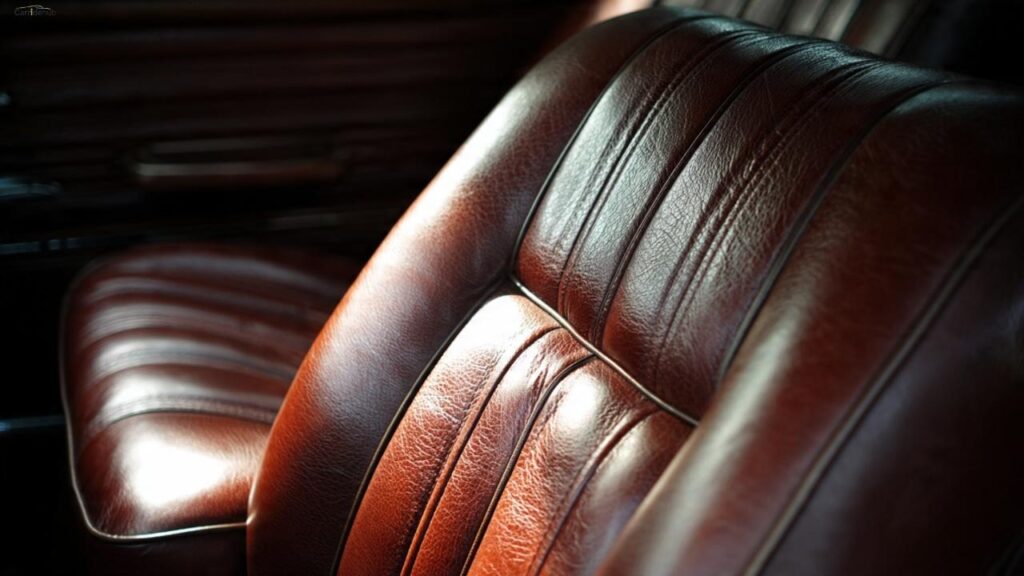
Over the years, I’ve experimented with a variety of products to find what really works best. Dedicated leather cleaners are my top choice—they’re formulated specifically to lift dirt without drying or cracking the leather.
A microfiber cloth is essential to go along with any product. I like using one for cleaning and a separate one for buffing afterward. This keeps the surface clean while enhancing its natural shine.
For deeper cleaning, soft-bristled brushes can help reach seams and stitching where dirt hides. I’ve noticed that these small details make a big difference in overall cleanliness and appearance.
Ultimately, the best approach combines gentle products, proper tools, and a little patience. I’ve found that investing in quality leather care supplies saves a lot of effort and preserves the car interior for years.
How to Clean Leather Car Seats with Holes
Leather seats with perforations or holes require extra care to avoid damage or trapped moisture. I start by vacuuming carefully with a soft brush attachment to remove dust and crumbs from the holes before any liquid touches the leather.
When applying cleaner, I use a lightly dampened cloth rather than spraying directly on the leather. This prevents excess liquid from seeping into the perforations, which could lead to staining or mildew.
Small, precise circular motions work best for cleaning around and inside the perforations. I’ve learned that rushing this step can push dirt further into the holes, so patience is important.
After cleaning, I lightly dry the area with a soft cloth and allow the leather to air out. Following up with a thin layer of conditioner keeps perforated leather soft and prevents cracking, maintaining both comfort and aesthetics.
How to Clean Leather Car Seats with Vinegar
Using vinegar to clean leather is a surprisingly effective and natural method I often rely on for light stains. I mix equal parts white vinegar and water in a small bowl, ensuring it’s diluted enough to avoid harming the leather’s finish.
I always apply the solution to a soft microfiber cloth instead of pouring it directly onto the seat. This allows me to control the moisture and prevent excess liquid from seeping into seams or stitching.
Gently wiping the leather in small circular motions lifts dirt and light stains without scratching. I find that this method works particularly well for everyday dirt, like dust or food crumbs.
After cleaning, I wipe the area with a damp, clean cloth to remove any vinegar residue. Following up with a leather conditioner restores natural oils and keeps the leather soft and supple.
Can I Use a Damp Cloth to Clean Leather Car Seats
Yes, a damp cloth is one of the simplest tools I use regularly to maintain my leather seats. Lightly dampening a microfiber cloth with water allows me to wipe away dust, spills, and surface dirt without applying harsh chemicals.
I never soak the cloth, because too much water can leave stains or warp the leather. Instead, I work in small sections, gently wiping the surface to lift grime effectively.
For stubborn spots, I combine the damp cloth with a mild soap or leather cleaner. This method ensures I only use a gentle touch while still achieving a deep clean.
Finally, I always dry the seats immediately after using a damp cloth. This prevents water marks and keeps the leather smooth, shiny, and ready for conditioning.
Clean Leather Car Seats with Dish Soap
Dish soap can be an effective cleaning agent if used carefully, and I’ve tried this method when traditional leather cleaners weren’t available. I mix a few drops of mild dish soap in warm water to create a gentle solution.
Using a soft microfiber cloth, I dip it lightly in the solution and wring out excess water. Then I wipe the leather in small circular motions to lift dirt without over-saturating the material.
I pay special attention to seams and stitching, where dirt tends to hide. Using a soft-bristled brush along with the cloth ensures a deeper clean without damaging the leather surface.
After cleaning, I wipe the seats with a clean, damp cloth to remove soap residue. Finally, I condition the leather to restore moisture, keeping the seats soft and preventing cracks.
Steam Clean Leather Car Seats
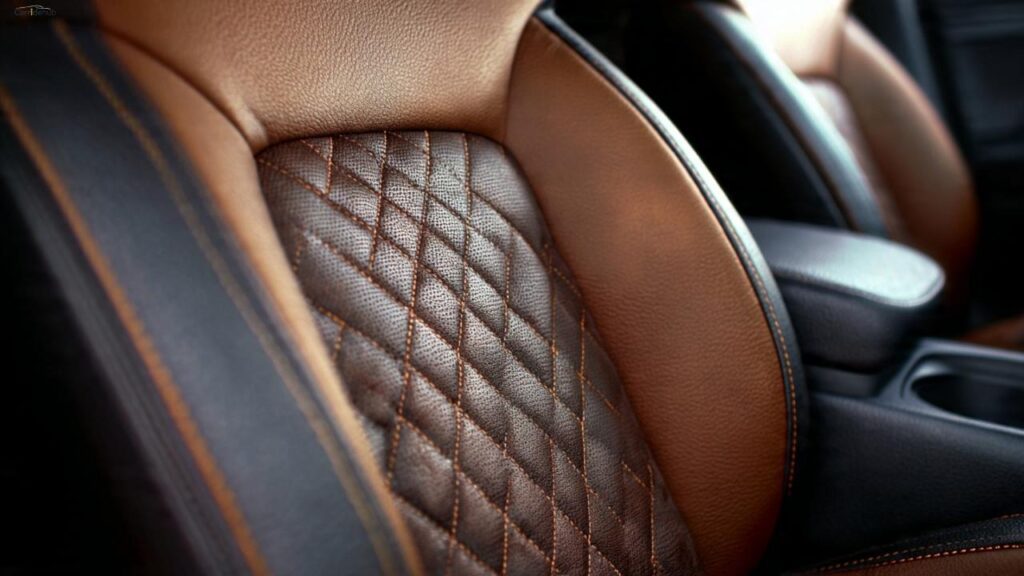
Steam cleaning leather seats can be effective if done cautiously, though it’s a method I use sparingly. I always keep the steam at a low setting and maintain a safe distance to prevent overheating or damaging the leather.
I start by vacuuming the seats thoroughly to remove loose debris before any steam touches the surface. This prevents particles from scratching the leather when exposed to moisture.
While steaming, I move the device continuously across small sections, avoiding lingering in one spot. The steam helps loosen dirt and grime, which I then wipe away with a soft cloth.
Afterward, I dry the leather immediately and follow up with a conditioner. This protects against drying out and keeps the leather supple, preserving both its appearance and longevity.
👉🏻Discover More About Unique Information[ Can You Use Car Heated Seats When Pregnant ]
Frequently Asked Questions
What is the best way to clean my leather car seats?
The best way is a gentle, multi-step approach: vacuum first to remove debris, then use a soft microfiber cloth with a dedicated leather cleaner or a mild soap-and-water solution. Work in small sections with circular motions, avoid over-saturating the leather, and finish by applying a quality leather conditioner to maintain softness and prevent cracking.
What should you not clean leather with?
Avoid harsh chemicals like bleach, ammonia, multi-surface cleaners, or any abrasive products. These can discolor, dry out, or crack leather. Also, steer clear of oil-based sprays or silicone products, which can clog pores and leave a sticky residue.
Can you use Dawn and water to clean leather car seats?
Yes, in moderation. Use a few drops of Dawn dish soap mixed with warm water and apply it with a lightly damp microfiber cloth. Avoid soaking the leather, rinse any residue with a clean damp cloth, and finish with leather conditioner to maintain natural oils.
How do car detailers clean leather seats?
Professional detailers vacuum the seats first, then apply a pH-balanced leather cleaner with microfiber cloths or soft brushes. They pay special attention to seams and perforations, remove residue, and always finish with a leather conditioner to restore softness and prevent cracking. Some may also use low-heat steam for deep cleaning, but carefully to avoid damage.
What not to use on leather car seats?
Never use bleach, ammonia-based cleaners, abrasive scrubbing pads, or concentrated vinegar. Avoid harsh household detergents and any cleaner that is not specifically formulated for leather, as these can dry out or damage the material.
Is it better to shampoo or steam clean car seats?
For leather seats, gentle shampooing with a leather cleaner is generally safer than steam cleaning. Steam can be risky if too much heat or moisture is applied, potentially causing stains, warping, or cracks. Shampooing combined with conditioning maintains cleanliness and leather health without overexposure to water.
Can I use a damp cloth alone to clean leather seats?
Yes, a lightly dampened microfiber cloth is often sufficient for routine maintenance. It removes dust, surface dirt, and light spills without the need for chemical cleaners, as long as you dry the leather immediately afterward.
How often should I condition my leather car seats?
Leather seats should be conditioned every 3–6 months, depending on climate and usage. Regular conditioning restores natural oils, prevents cracking, keeps the leather soft, and maintains the seat’s appearance over time.
Conclusion
Regular leather seat cleaning and car leather maintenance can make a huge difference in keeping your ride fresh and luxurious. Using the right leather cleaning solution, pH-neutral leather cleaner, soft bristle brush, and microfiber towel helps remove dirt and tough stains while protecting your leather car upholstery from damage. From experience, combining vacuum cleaner for car sessions with careful dirt and debris removal keeps your interior looking like new.
Following home leather cleaning tips and using proper cleaning tools for leather ensures long-lasting leather seat protection. Applying a gentle leather cleanser or OEM-approved leather conditioner prevents cracking, supports premium leather maintenance, and enhances car cabin luxury. With simple care routines like stain removal leather seats, clean and buff leather, and attention to perforated leather seats, you can enjoy leather seat restoration and lasting leather seat longevity.

Michael is a car seat specialist with 4 years of experience in reviewing, testing, and guiding people on the best car seat choices. He creates clear, reliable content to help users make safe and confident decisions.