

Many parents ask, can you leave the car seat handle up while driving, especially during those rushed mornings when every second counts. I remember double-checking this myself after installing my first infant car seat, unsure if convenience was risking safety. This question matters because car seat handle position can directly affect your baby’s protection during sudden stops or accidents. Understanding what manufacturers and safety experts actually recommend helps parents drive with more confidence and peace of mind.
From my experience and research, the answer isn’t always a simple yes or no—it depends on the specific infant car seat model and its design. Some seats are tested and approved for driving with the handle up, while others clearly require it to be down. Knowing the correct car seat handle position while driving, checking your seat manual, and following child passenger safety guidelines can make a real difference in keeping your baby safe on the road.
Car Seat Handle Up or Down
One of the most common questions new parents ask is whether a car seat handle should be up or down while driving. It’s a small detail, but it can feel stressful when you’re responsible for a newborn’s safety. I remember double-checking the handle position every single trip in the early days.
The truth is, there isn’t one universal rule for all infant car seats. Some brands allow the handle to stay up, while others require it to be positioned down or in a specific locked position. That’s why understanding your specific seat’s design matters more than following general advice online.
From a safety perspective, the handle can act as a rebound point during a crash, which is why manufacturers test seats with the handle in approved positions only. Using an unapproved position can change how the seat performs in an accident.
The safest approach is simple: always place the handle in a manufacturer-approved locked position before driving. This small habit can make a meaningful difference in protecting your baby during everyday travel.
Infant Car Seat Handle Position
The infant car seat handle position is not just about convenience—it’s part of the seat’s safety system. While the handle is designed to help carry the seat, it also interacts with crash forces when installed in a vehicle.
Many parents assume the handle must always be down, but that’s not always true. Some modern infant seats are specifically tested with the handle left upright, while others require it to be moved back or forward.
Based on experience, the biggest mistake parents make is leaving the handle in a halfway or unlocked position. Even if a seat allows multiple handle positions, it must always be fully locked into place before driving.
If you’re unsure, checking the instruction label on the side of the seat or inside the manual takes less than a minute and it provides peace of mind that you’re installing the seat exactly as intended.
Car Seat Handle Safety Rules
Car seat handle safety rules are set by manufacturers based on crash testing, not convenience. These rules are carefully designed to reduce injury risk during sudden stops, collisions, or rollovers.
One important rule that often gets overlooked is ensuring the handle does not press against the vehicle seat in front. Contact with other surfaces can change how crash forces are absorbed, which may reduce protection.
Another key safety rule is never assuming all infant car seats follow the same guidelines. Even within the same brand, different models can have different approved handle positions.
From personal experience, treating the handle position as part of your regular pre-drive checklist just like buckling the harness helps build safer habits and prevents rushed mistakes.
Car Seat Handle While Driving
When it comes to the car seat handle while driving, consistency is crucial. Babies rely on adults to install and position seats correctly every single trip, even short ones.
Driving with the handle in the wrong position doesn’t usually cause immediate problems, which is why many parents don’t realize the risk. The concern lies in how the seat behaves during an unexpected crash.
I’ve found that parents feel more confident once they understand why handle position matters, rather than just being told what to do. Knowledge removes anxiety and replaces it with informed decision-making.
Ultimately, the safest practice is to follow your seat’s manual, use only approved handle positions, and avoid guessing. When used correctly, infant car seats are remarkably effective at protecting little passengers.
Graco Car Seat Handle Up or Down
Graco infant car seats are often praised for being parent-friendly, especially when it comes to handle position. When I first used a Graco seat, I remember how reassuring it felt that the handle didn’t need to be moved every single time before driving.
Most Graco infant car seats allow the handle to stay up or down as long as it is locked into an approved position. This flexibility makes daily trips easier, particularly when you’re juggling bags, bottles, and a sleeping baby.
From a safety standpoint, Graco tests its seats with the handle in permitted positions, meaning crash protection isn’t compromised when the manual is followed. The key is avoiding in-between positions that aren’t fully locked.
A quick glance at the label on the side of the seat or the manual confirms the correct setting. Making that check part of your routine helps ensure your baby rides safely every time.
Nuna Car Seat Handle Position While Driving
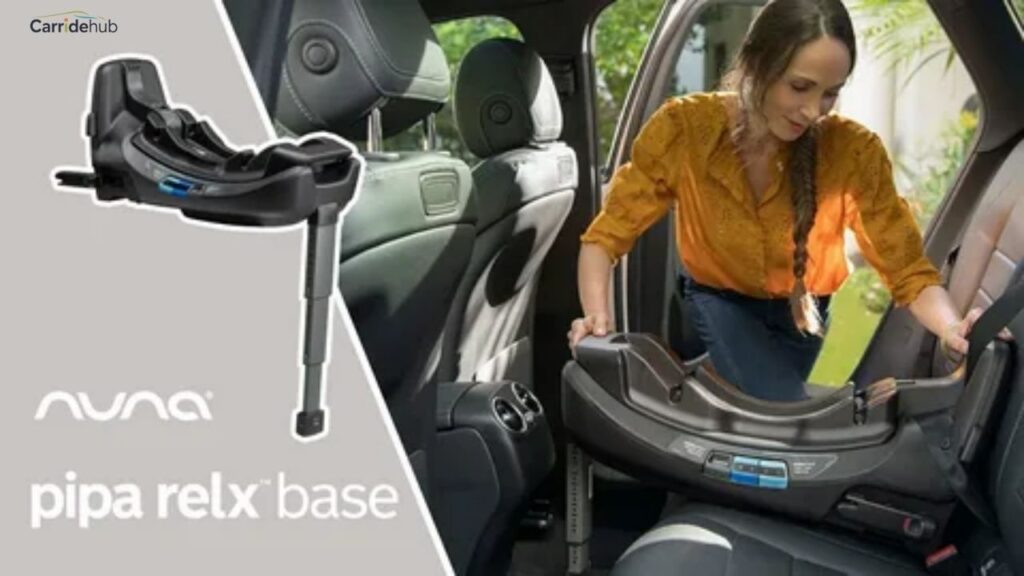
Nuna car seats are known for their thoughtful design, and handle positioning is no exception. Many parents, myself included, appreciate how Nuna clearly explains handle use in their manuals.
For most Nuna infant seats, including popular models, the handle can remain in any locked position while driving. Some Nuna models even recommend keeping the handle upright, which surprises parents who assume it must always be lowered.
What matters most is that the handle is fully clicked into place and not resting against the vehicle seat or dashboard. Contact with other surfaces can interfere with how the seat absorbs crash forces.
Once you understand Nuna’s guidelines, it becomes second nature. That confidence removes unnecessary stress and allows you to focus on what matters—your baby’s comfort and safety.
Cybex Car Seat Handle Up or Down
Cybex car seats often follow more specific handle rules due to their advanced safety engineering. When using a Cybex seat, I noticed that the handle position felt more deliberate, not optional.
Many Cybex infant car seats require the handle to be placed in a designated driving or rebound position during travel. This position is part of how the seat manages energy in a collision.
Unlike some other brands, Cybex may not allow multiple handle positions while driving, which makes reading the manual especially important. Assuming the same rules apply across brands can lead to mistakes.
Once the correct position is set, it stays consistent. That clarity actually makes Cybex seats easier to use long-term because there’s no guessing involved.
Joie Car Seat Handle Up or Down
Joie infant car seats are widely used in many countries, and their handle rules can vary by model. In my experience, Joie seats strike a balance between practicality and safety.
Some Joie infant seats allow the handle to stay up or in certain locked positions while driving, while others specify a particular setting. The difference usually depends on the seat’s structure and testing standards.
The most common issue I see is parents assuming Joie follows the same rules as another brand they’ve used before. Even small differences can matter in a crash situation.
Taking a moment to confirm the approved handle position ensures the seat performs exactly as designed. It’s a simple step that adds an extra layer of protection for your child.
Maxi-Cosi Car Seat Handle Up or Down When Driving
Maxi-Cosi infant car seats are some of the most popular choices among new parents because of their user-friendly design. When I first installed a Maxi-Cosi, I appreciated how clear the manual was about handle positioning.
For most Maxi-Cosi models, the handle can remain up or down as long as it is fully locked. This flexibility makes loading the baby in and out of the car much easier, especially during busy mornings.
From a safety perspective, these seats are crash-tested in approved handle positions, so keeping the handle upright or lowered won’t compromise protection as long as the manual’s instructions are followed.
Personally, I make it a habit to double-check the handle before every drive. That small routine gives peace of mind and ensures my baby is always riding as safely as possible.
Nuna PIPA Car Seat Handle Up or Down
Nuna PIPA seats are praised for their elegant design and thoughtful safety features. The handle is one area where Nuna clearly communicates what’s safe for travel.
Most PIPA models allow the handle to remain in any locked position while driving, though some manuals suggest keeping it upright. This often surprises parents who assume it must always be lowered.
What I’ve learned is that the handle’s primary role during travel is structural ensuring the seat responds correctly in a crash. Leaving it unlocked or halfway can reduce its effectiveness.
Making a habit of locking the handle into place before every ride has always helped me feel confident. Even on short trips, that little check ensures the seat performs exactly as tested.
Evenflo Car Seat Handle Position
Evenflo infant seats are widely used for their practicality and affordability. Unlike some other brands, many Evenflo seats require the handle to be in the down or travel position while driving.
When I first switched to an Evenflo seat, I realized that leaving the handle up could interfere with safety. The travel position ensures proper crash energy management and prevents unwanted movement.
Evenflo manuals emphasize avoiding in-between or partially locked positions. While it might feel more convenient to leave the handle upright, following the rules is critical for safety.
Over time, I built a routine of always checking the handle before driving. This simple step became as automatic as buckling my child’s harness, reducing stress and ensuring safety.
Chicco KeyFit 35 Car Seat Handle Up or Down
Chicco KeyFit 35 is one of the most recommended infant seats for first-time parents. Its handle is versatile, and using it correctly makes daily travel much smoother.
For the KeyFit 35, the handle can stay up or down in any locked position during driving. This flexibility is particularly helpful when you’re carrying the seat in and out of the car multiple times a day.
From my experience, the key is always ensuring the handle is fully clicked into place. Even a slight looseness can make the seat feel less secure and affect crash performance.
I find that treating handle position as part of my pre-drive checklist—alongside buckling the harness makes every trip safer and more confident. It’s a small step that adds real peace of mind.
Can You Leave the Car Seat Handle Up While Driving?
Many parents wonder if it’s safe to leave the car seat handle up while driving. I remember feeling unsure the first time I tried it with my newborn. It’s one of those details that can feel minor but actually matters for safety.
The answer depends on the brand and model of your infant seat. Some seats, like Maxi-Cosi and Chicco KeyFit 35, allow the handle to stay upright, while others, such as Evenflo, require it down during travel. Checking your manual is the fastest way to know for sure.
From a practical standpoint, leaving the handle up can make carrying the seat in and out of the car easier. Many parents, myself included, find it convenient for quick trips or airport travel.
However, convenience should never outweigh safety. Ensuring the handle is locked into an approved position every trip is key. Even small mistakes can affect how the seat performs in a crash.
Is It Safe to Drive With a Car Seat Handle Up?
Driving with a car seat handle up is often safe if the manufacturer approves it. I’ve noticed that parents tend to overthink this step, but most modern infant seats are tested for multiple handle positions.
Some brands, such as Nuna and Graco, specifically allow the handle to remain upright while installed in the vehicle. This means crash performance won’t be compromised as long as the handle is fully locked.
It’s important to avoid leaving the handle in a partially locked or unstable position. Even if it seems minor, it can reduce the seat’s ability to absorb forces in a collision.
From experience, making it a habit to double-check the handle before driving builds confidence. When you know the seat is installed correctly, you can focus on the road and your baby’s comfort.
What Happens If a Car Seat Handle Is Left Up in the Car?
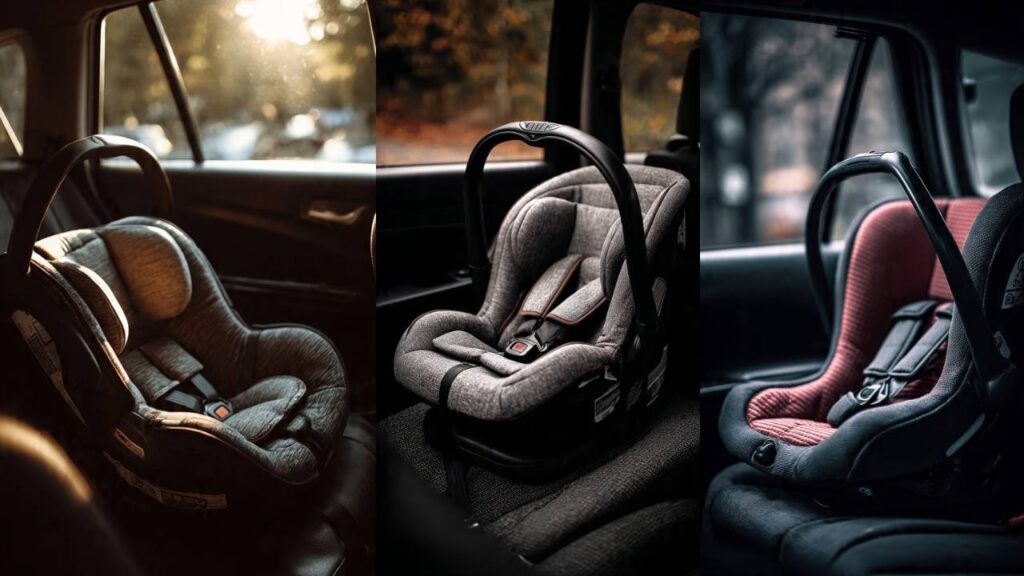
Leaving the car seat handle up when the manual doesn’t approve it can cause problems during a crash. I once witnessed a parent unaware of this detail, and it reminded me how small adjustments can have big safety consequences.
If the handle isn’t in an approved position, the seat may not absorb crash forces as designed. In rare but serious accidents, this could increase the risk of injury.
Even when there’s no accident, a handle that touches the vehicle seat or leans forward can shift during braking. This can startle a sleeping baby or interfere with the seat’s stability.
The best practice is simple: always follow your car seat’s instructions. A locked, approved handle position ensures the seat functions exactly as tested, giving you peace of mind every time you drive.
👉🏻Discover More About Unique Informations[ Is It Safe to Put a Car Seat in the Front Seat ]
Frequently Asked Questions
Do you leave the handle up on a car seat?
You can leave the handle up only if the manufacturer allows it. Some brands, like Maxi-Cosi, Chicco KeyFit 35, and Nuna, allow the handle to remain upright while installed in the car, as long as it is fully locked. Others, such as Evenflo, require the handle to be down during driving. Always check the seat manual to be sure.
Can a car seat handle be up while driving?
Yes, a car seat handle can be up while driving if the seat’s instructions permit it. The most important factor is that the handle must be in a fully locked, approved position. Leaving it in a partially locked or incorrect position can reduce safety in a crash.
Should the handle be up or down on a Graco car seat?
Most Graco infant seats allow the handle to be up or down while driving, as long as it is fully locked into an approved position. Always refer to the specific model manual for the correct handle position to ensure proper crash protection.
What is the Alabama law on car seats?
In Alabama, children under 1 year or under 20 pounds must ride in a rear-facing car seat. Children ages 1–5 must use a child safety seat, and all children under 6 years old must be properly restrained in a car seat or booster. Violating these rules can result in fines for the driver.
Which seat is the death seat in a car?
The so-called “death seat” is usually the front passenger seat, especially for infants, because airbags can cause serious injury. The rear center seat is considered the safest, assuming it has proper seatbelt anchorage and the seat is installed correctly.
Is it safe to recline a car seat while driving?
Infant car seats are designed with a specific recline angle to protect both the child’s head and airway. Adjusting the seat too upright or too reclined can compromise safety. Always follow the recline indicators on the base or the manual for correct installation.
How do you know the car seat is installed correctly?
A car seat is installed correctly when it is tight with less than 1 inch of movement side-to-side at the belt path, the harness fits snugly on the child, and the handle or base is positioned as per the manufacturer’s instructions. Many parents also use the “pinch test” or have a certified technician inspect the seat.
Can a rear-facing car seat be used in the front seat?
It is not recommended to place a rear-facing car seat in the front seat due to airbags. Front airbags can seriously injure an infant in a crash. Always place rear-facing seats in the back seat, preferably in the center, for maximum safety.
Conclusion
So, can you leave the car seat handle up while driving? From my own experience as a parent and after carefully reading multiple car seat manuals, the safest answer is to always follow the manufacturer’s instructions. Every infant car seat is designed and crash-tested differently, which means the correct handle position can vary. Taking a few seconds to check the label or guide can greatly improve infant car seat safety. That small habit builds confidence every time you drive.
In real-life parenting, convenience often tempts us to ignore small details, but car seat handle position while driving is one detail worth respecting. I’ve learned that using the approved position reduces injury risk during sudden stops or collisions. Whether the handle is up or down, what truly matters is proper installation and following child passenger safety recommendations. When you know your baby’s car seat is used correctly, every trip feels safer and less stressful.

Michael is a car seat specialist with 4 years of experience in reviewing, testing, and guiding people on the best car seat choices. He creates clear, reliable content to help users make safe and confident decisions.