
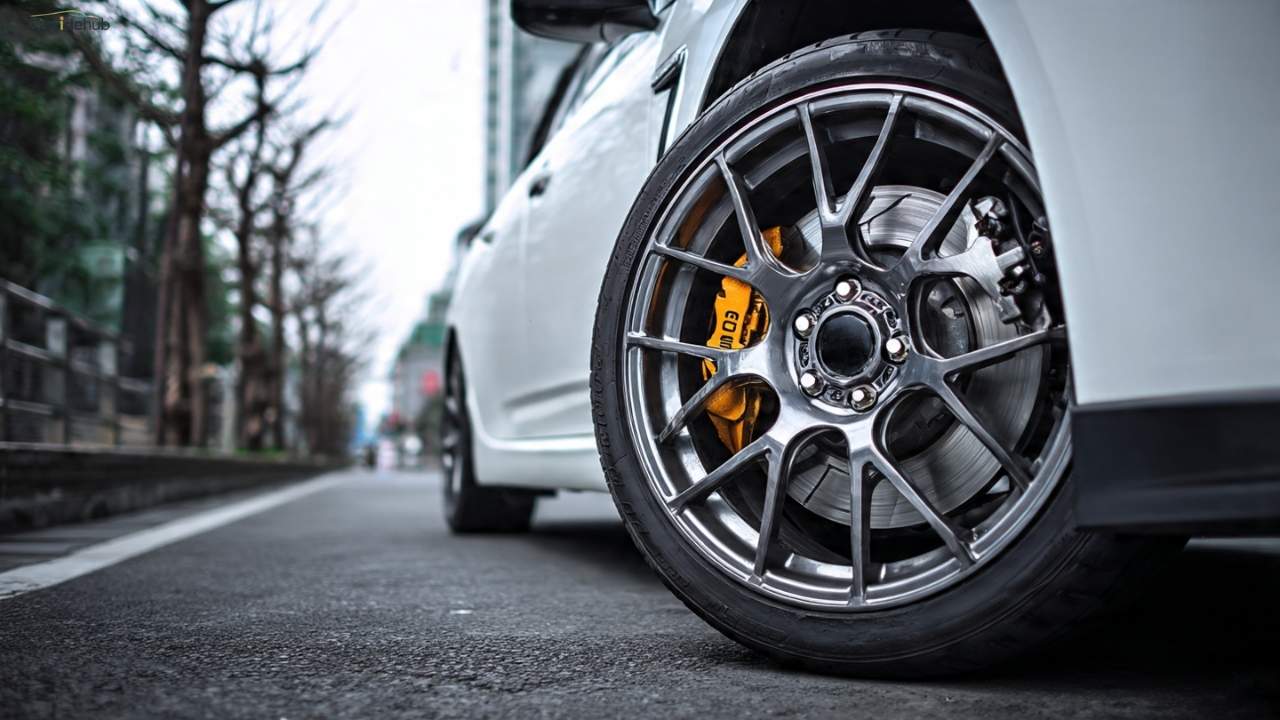
Understanding the difference between front brakes and rear brakes is essential for vehicle safety and proper brake system care. The braking system works by balancing stopping power and braking force between the front wheel braking and rear wheel braking, ensuring smooth deceleration and controlled stops. Proper brake maintenance helps prevent brake fade and issues like brake pedal vibration or brake noise.
Front brakes handle most of the braking force due to weight transfer, making front brake wear faster than rear brake wear. Meanwhile, rear brakes provide braking support, aid in vehicle stability, and assist with skidding prevention during emergency stops. Regular brake inspection, monitoring brake pads, brake rotors, disc brakes, or drum brakes ensures consistent stopping power and overall braking efficiency for daily commuting.
How Front and Rear Brakes Work
Front brakes handle most of your car’s stopping power, usually around 70–80%, because weight shifts forward when braking. They are often disc brakes, providing strong, consistent stopping performance even during sudden stops.
Rear brakes assist in slowing the car and maintaining stability, especially during turns or on slippery roads. They are often drum or disc brakes and help balance braking forces, preventing the car from skidding or tipping forward.
Front Brakes: The Primary Stopping Force
Front brakes are the primary stopping force in most vehicles, handling the majority of braking power. They work harder because the car’s weight shifts forward during braking, making them crucial for safety and effective stopping.
Key Points:
- Handle 70–80% of total braking power
- Usually equipped as disc brakes for better performance
- Provide strong stopping during sudden brakes
- Require more frequent maintenance than rear brakes
- Essential for safe and stable vehicle control
Rear Brakes: Stability and Support
Rear brakes provide stability and support, helping to balance braking forces and prevent the car from skidding or tipping forward. They work alongside the front brakes to ensure smooth, controlled stops.
Key Points:
- Assist in overall braking and vehicle stability
- Often drum or disc brakes depending on the car
- Help maintain control during turns or slippery conditions
- Reduce wear on front brakes by sharing braking load
- Crucial for safe, balanced stopping performance
Key Differences Between Rear and Front Brakes
Front Brakes: Handling Most of the Load
During braking, a car’s weight naturally shifts forward, placing the majority of the stopping force on the front brakes. This makes them the primary brakes for deceleration, ensuring rapid and effective stops. Proper maintenance of front brakes is essential to maximize safety.
Rear Brakes: Supporting Stability and Balance
Rear brakes play a supportive role by maintaining vehicle stability and balance. They help prevent skidding or tipping forward, especially during sharp turns or slippery conditions, ensuring smooth and controlled braking for all driving situations.
Brake Wear and Maintenance
Front brakes endure more stress during stopping, so they need more frequent servicing and replacement than rear brakes. Regular inspection ensures optimal performance and safety for your vehicle.
- Front Brake Pads: Typically last around 30,000–60,000 miles, but heavy braking or city driving can shorten their lifespan.
- Rear Brake Pads: Usually last 50,000–80,000 miles, providing supportive braking and helping maintain stability.
- Front Rotors: Experience faster wear due to heat buildup and friction during deceleration, often requiring resurfacing or replacement sooner.
- Rear Rotors: Generally have a longer lifespan, though they should be checked periodically to prevent uneven wear and ensure balanced braking.
Brake Types: Disc vs. Drum Brakes
Front brakes are typically fitted with disc brakes, which are highly efficient at managing heat and delivering consistent, dependable stopping performance even under heavy or repeated braking.
- Front Disc Brakes: Provide precise stopping power, excellent heat dissipation, and reliable performance during sudden or frequent braking.
- Rear Disc Brakes: Common in modern and high-performance vehicles, they help balance braking forces and improve overall vehicle control.
- Rear Drum Brakes: Often used in budget-friendly or older models; they are durable, cost-effective, and enhance emergency brake effectiveness.
- Heat Management: Disc brakes outperform drum brakes in preventing overheating and brake fade, ensuring safer and smoother stops over time.
Case Study: Why Front Brakes Wear Faster Than Rear Brakes
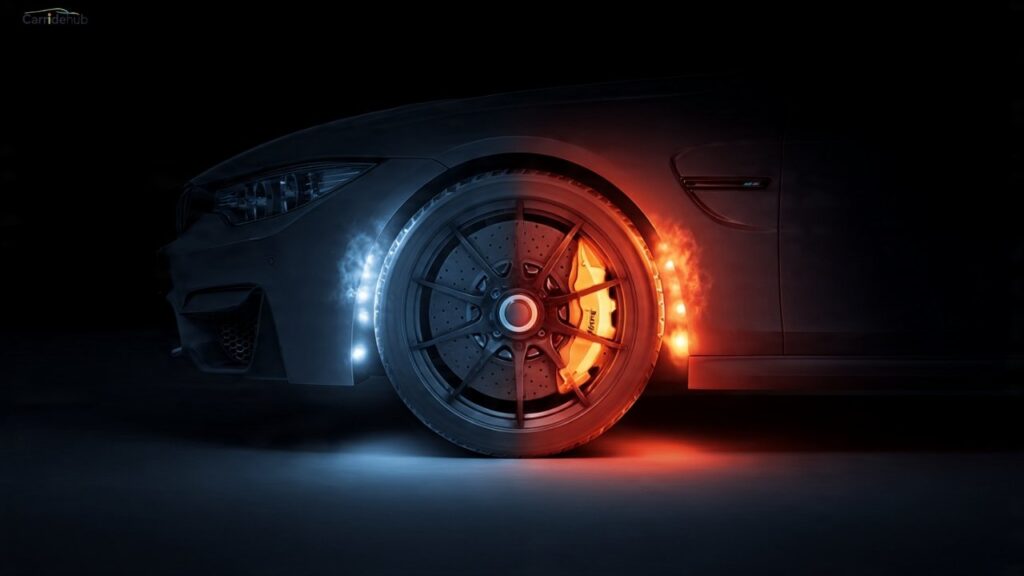
Front brakes handle the majority of a vehicle’s stopping force because weight shifts forward during braking. This increased load causes more friction and heat, leading to faster wear of pads and rotors.
Rear brakes primarily provide support and stability, sharing less of the braking load. As a result, they experience slower wear, lasting longer before needing replacement or maintenance.
When to Replace Front vs. Rear Brakes
Signs Your Front Brakes Need Replacement
- Squealing or grinding noises when braking, indicating worn pads.
- Reduced braking performance or longer stopping distances.
- Vibrations or pulsations in the brake pedal during braking.
- Visible thinning of brake pads or scoring on rotors.
- Dashboard brake warning light turns on, signaling a potential issue.
Signs Your Rear Brakes Need Replacement
- Squeaking or scraping sounds from the rear wheels while braking.
- Car pulls forward or sideways, showing uneven braking force.
- Soft or spongy brake pedal when pressing the brakes.
- Longer stopping distances despite normal front brake function.
- Rear brake drums or rotors show visible wear, rust, or grooves.
Brakes 101 – the basics
Brakes are essential for slowing down and stopping your vehicle safely. They convert kinetic energy into heat through friction, allowing controlled deceleration.
Most cars use a combination of front and rear brakes, with the front handling most of the stopping power and the rear providing support and stability.
Regular maintenance, including checking pads, rotors, and brake fluid, ensures brakes remain effective and prevents costly repairs or safety hazards.
Disc Brakes
Disc brakes use a rotor attached to the wheel that a caliper squeezes with brake pads to create friction, slowing the vehicle. They are highly effective at dissipating heat, making them ideal for high-performance or heavy-use conditions.
They provide more consistent braking performance in wet conditions since water is easily shed from the disc surface. This reduces the risk of brake fade compared to other systems.
Disc brakes generally require less pedal effort and offer better modulation, allowing drivers to control braking more precisely. This makes them popular in modern cars and motorcycles.
Maintenance is straightforward; pads are easily replaced, and the rotors can be resurfaced if worn. They tend to be more expensive initially but offer long-term performance benefits.
Drum Brakes
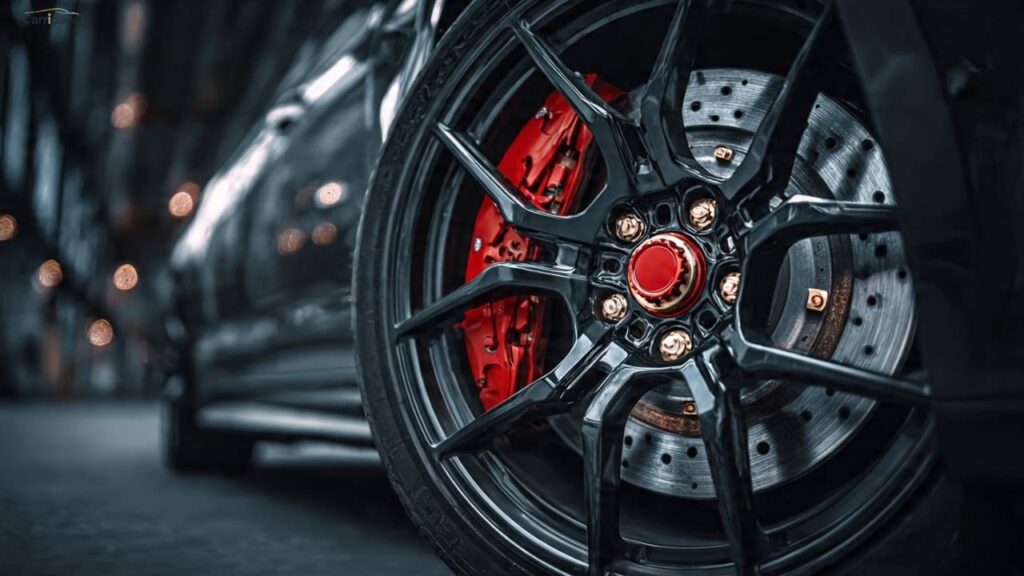
Drum brakes consist of a drum attached to the wheel and brake shoes that push outward to create friction and stop the vehicle. They are commonly found on older vehicles and some rear wheels of modern cars.
They are usually less expensive to manufacture and maintain compared to disc brakes, making them cost-effective for low-performance vehicles.
Drum brakes are enclosed, which provides some protection from dirt and debris but can trap heat, leading to reduced performance under heavy braking.
Although less precise and prone to fade in extreme conditions, drum brakes can still provide reliable stopping power for lighter vehicles and are often paired with parking brakes for added functionality.
Which is better?
Disc brakes are generally better for most modern vehicles because they offer stronger and more consistent stopping power, especially in wet or high-speed conditions. Their ability to dissipate heat quickly reduces the risk of brake fade.
Drum brakes are more cost-effective and durable for lighter vehicles or rear-wheel applications, but they don’t perform as well under heavy braking or prolonged use. They can overheat and lose effectiveness more easily than disc brakes.
Overall, disc brakes are preferred for safety and performance, while drum brakes are suitable for budget-friendly or low-demand applications. For most drivers, having disc brakes on the front wheels is the ideal compromise.
How to keep your brakes in good working order
Regular inspection is key to keeping brakes in top condition. Check the brake pads, rotors, and drums for wear, cracks, or uneven surfaces, and replace any parts that show significant damage.
Keep the brake fluid clean and at the proper level. Contaminated or low brake fluid can reduce braking efficiency and cause corrosion in the brake system.
Avoid aggressive braking whenever possible. Gradual stops reduce stress on the pads and rotors, extending their lifespan and preventing overheating.
Listen for unusual noises like squealing or grinding and address them immediately. Timely maintenance can prevent costly repairs and ensure safe driving.
How Many Brakes Does a Car Have
Most cars have four brakes, one on each wheel, to provide balanced stopping power. Each wheel typically has either a disc or drum brake, depending on the car’s design and performance needs.
Some vehicles also have additional braking systems like a parking brake or electronic brake assist. Together, these systems ensure safe and controlled stopping under different driving conditions.
Are Front or Rear Brakes More Important
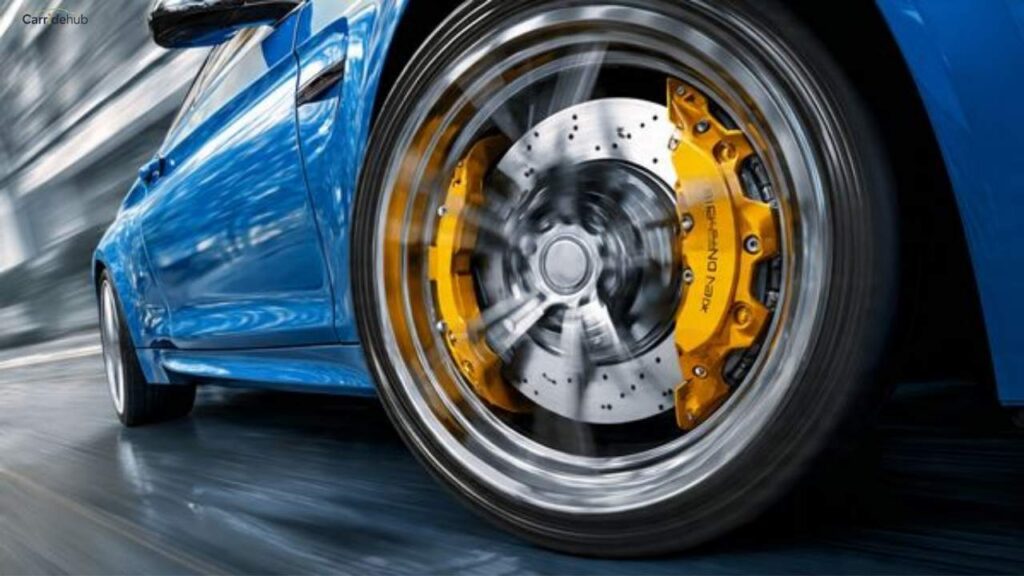
Front brakes handle the majority of stopping force usually around 60–70% because weight shifts forward during braking. This makes them crucial for overall vehicle safety and control.
Rear brakes support the front brakes and help maintain stability, especially during sudden stops. While less powerful, they are essential for balanced braking and preventing skidding or fishtailing.
👉🏻Discover More About Unique Information[ Can You Sell a Used Car Seat ]
Frequently Asked Questions
Which Brake Is Better, Front or Back?
Front brakes are generally more effective because they handle the majority of the stopping force due to weight transfer during braking. Rear brakes support stability but contribute less to actual stopping power.
What Is the Difference Between Rear and Front Brakes?
Front brakes usually use disc systems for better heat dissipation and stronger stopping power, while rear brakes can be either drum or disc. Front brakes do most of the work, and rear brakes help with balance and parking brake functionality.
Why Are Front Brakes More Effective?
When a vehicle slows down, weight shifts forward, pressing the front tires harder against the road. This increases traction at the front wheels, allowing the front brakes to stop the car more efficiently.
When Should I Use the Front Brake?
The front brakes should be used for most stopping situations, including normal driving and emergency braking. They provide the majority of the stopping force while maintaining control and stability.
Which Kind of Brake Is Better?
Disc brakes are generally superior to drum brakes for most vehicles due to better heat dissipation, consistent performance, and easier maintenance. Drum brakes are suitable for light-duty or budget vehicles.
What Is the 30‑30‑30 Rule for Brakes?
The 30‑30‑30 rule suggests easing off brakes after every 30 minutes of continuous heavy braking, allowing a 30-second cool-down to prevent overheating, and keeping the brake fluid temperature below 30°C above normal. This helps prevent brake fade.
How Often Should I Inspect My Brakes?
Brakes should be checked at least every 6–12 months, or sooner if you notice squealing, grinding, or reduced responsiveness. Regular inspection ensures safety and prevents expensive repairs.
Can Using Only Rear Brakes Cause Problems?
Yes, relying mostly on rear brakes can cause longer stopping distances, reduced stability, and potential skidding. Balanced braking between front and rear is essential for safety.
Conclusion
Proper maintenance of front brakes and rear brakes is key to vehicle safety and long-lasting brake performance. Regular brake inspection helps detect brake wear, brake pad issues, or brake rotors damage, ensuring consistent stopping power. A well-balanced braking system improves braking efficiency, controlled stops, and smooth deceleration during daily commuting.
Replacing worn front brake pads or rear brake components on time prevents brake fade, brake pedal vibration, and brake noise. Monitoring disc brakes, drum brakes, brake fluid, and overall brake system care ensures braking support, skidding prevention, and optimal stopping distance. Investing in proper brake upgrades and brake functionality enhances front wheel braking, rear wheel braking, and overall vehicle care.

Michael is a car seat specialist with 4 years of experience in reviewing, testing, and guiding people on the best car seat choices. He creates clear, reliable content to help users make safe and confident decisions.