
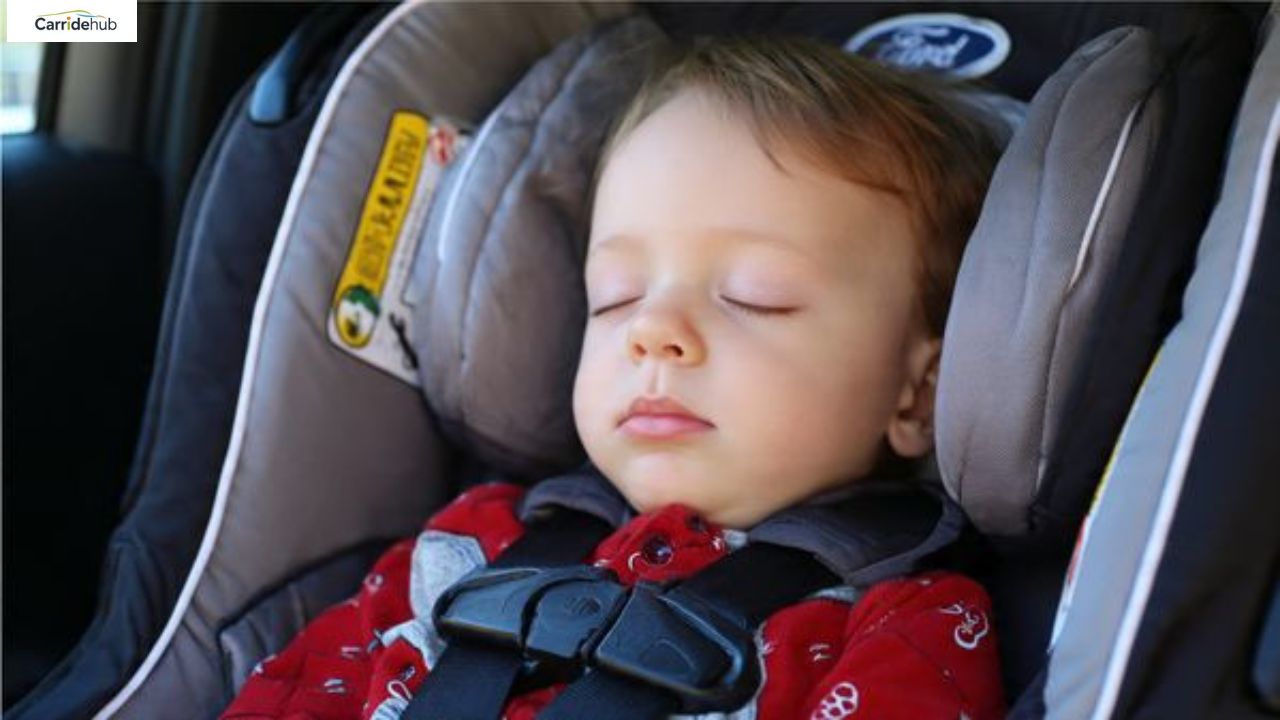
Choosing the right car seat for your child is crucial for safety, especially when considering rear-facing to 50 pounds. These car seats allow toddlers to stay rear-facing longer, providing better protection for their head, neck, and spine during sudden stops. Parents now have multiple extended rear-facing car seat options to keep their children safe.
Many convertible and high weight limit car seats support children up to 50 pounds in rear-facing mode. This extended period ensures maximum child safety and comfort while traveling. By selecting the best rear-facing car seat, caregivers can confidently provide top-level protection for their little ones on every ride.
Rear Facing Weight Limit
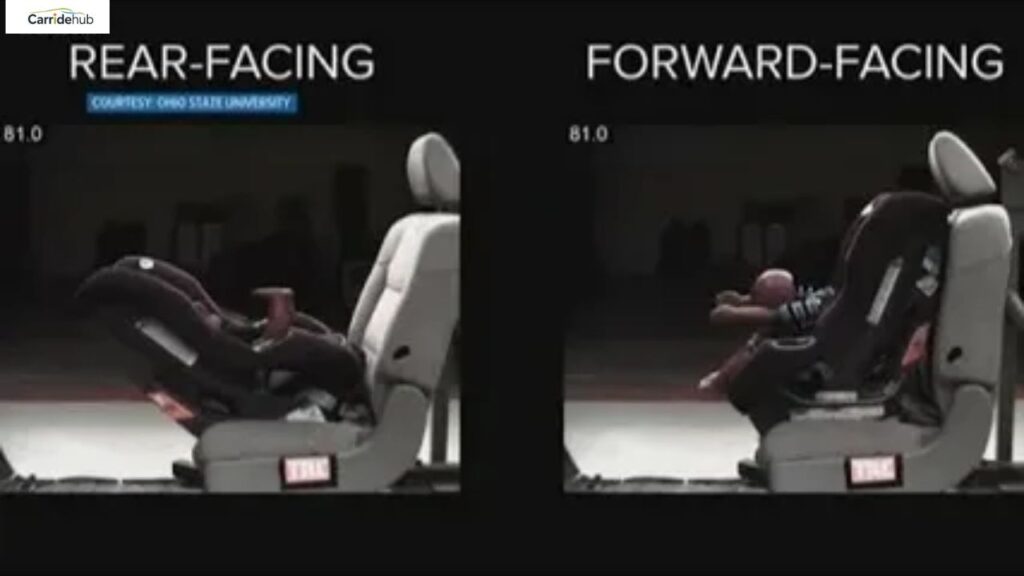
Rear-facing car seats are the safest option for infants and toddlers, distributing crash forces across the head, neck, and spine. Children who ride rear-facing experience significantly less injury in collisions compared to forward-facing seats. Weight limits vary by manufacturer, usually from 22 to 50 pounds.
Keeping a child rear-facing for as long as possible is strongly recommended by pediatricians. Extended rear-facing ensures toddlers remain in the safest seating position until they grow taller and stronger. Parents should monitor both weight and height limits carefully.
Proper harness adjustment is essential for rear-facing safety. A snug, well-fitted harness keeps the child secure during sudden stops or collisions. Seats with higher weight limits allow families to maximize safety without needing frequent upgrades.
Modern rear-facing seats often include additional comfort features, such as extra padding, adjustable headrests, and multiple recline positions. These additions make long rides more comfortable while maintaining top-level safety. Side-impact protection and energy-absorbing foam are standard in most high-quality models.
Installation methods vary, with many seats supporting both LATCH systems and seatbelt installation. Following manufacturer instructions is critical for proper placement and stability. Regular inspection of the seat ensures ongoing safety and reliability.
Parents must consider both height and weight when deciding to transition to forward-facing seats. Even if the child hasn’t reached the weight limit, exceeding the height limit can compromise safety. Adhering to these guidelines maximizes protection during every ride.
Rear Facing Car Seat Up to 50 lbs
Convertible car seats that support rear-facing up to 50 pounds are ideal for growing toddlers. These seats accommodate taller or heavier children who outgrow standard rear-facing models quickly. Adjustable harnesses and headrests provide comfort and proper support for long rides.
Extended rear-facing positions children in the safest posture for longer, reducing the risk of injury. Parents can safely delay the transition to forward-facing seats without compromising protection. Many models provide multiple recline positions for enhanced comfort.
Seats supporting 50 pounds rear-facing also reduce the need for frequent upgrades. Families can use the same seat longer, saving both time and money. High-quality padding and reinforced frames help protect children during side impacts.
Popular brands such as Graco, Britax, and Chicco offer 50-pound rear-facing options. These seats combine comfort, safety, and durability in one unit. Energy-absorbing materials help reduce the impact forces during collisions effectively.
Safety experts consistently recommend keeping toddlers rear-facing as long as possible. Extended rear-facing seats are particularly helpful for taller children who might otherwise outgrow smaller seats. Choosing the right seat ensures optimal protection and convenience.
Installation and harness adjustment are crucial for safety in high-weight rear-facing seats. Correct placement prevents movement during sudden stops, and following manufacturer guidelines ensures maximum protection. Regularly inspecting the seat helps maintain long-term performance and reliability.
50 lb Rear Facing Car Seat
A 50-pound rear-facing car seat accommodates toddlers well into early childhood, making it suitable for larger children. Extra padding and side-impact protection ensure comfort and maximum safety during every ride. Multiple recline positions enhance comfort for longer journeys.
High-weight-capacity seats allow families to follow pediatric safety recommendations longer. Some models even convert to forward-facing once children reach the limit. Proper installation is critical for achieving maximum protection in case of a collision.
Adjustable headrests and harnesses allow the seat to grow with the child. Energy-absorbing materials reduce the impact on sensitive areas, providing extra security during accidents. Trusted brands are tested extensively to meet safety standards.
Extended rear-facing is highly recommended by both safety experts and pediatricians. Seats with higher limits delay the need for frequent upgrades, making them a practical investment for families. Parents can ensure both safety and comfort simultaneously.
Most 50-pound rear-facing seats support LATCH and seatbelt installations for versatile fitting. Following manufacturer instructions ensures stability and security during every trip. Routine checks guarantee the seat remains safe and functional.
Choosing a 50-pound rear-facing car seat provides peace of mind for parents. It accommodates growth without compromising protection. Extended rear-facing usage ensures toddlers remain in the safest seating position for longer.
Complete Comparison of Rear-Facing Car Seats: Weight, Height, and Price
| Carseat | Weight Limits | Height Limits | MSRP |
| Babyark Classic and Smart | RF: 4-50 lbs | FF: 26.5-65 lbs | RF: 17-49″ |
| Baby Jogger City Turn | RF: 4-50 lbs | FF: 26.5-65 lbs | RF: head 1″ below headrest adjustment handle |
| Britax One4Life | RF: 5-50 lbs | FF: 22-65 lbs | booster: 40-120 lbs |
| Britax One4Life Slim | RF: 5-50 lbs | FF: 30-65 lbs | booster: 40-120 lbs |
| Britax Poplar | RF: 5-50 lbs | FF: 30-65 lbs | RF: head 1″ below top edge of headrest |
| Britax Poplar S | RF: 5-50 lbs | FF: 30-65 lbs | RF: head 1″ below top edge of headrest |
| Clek Fllo | RF: 14-50 lbs | FF: 22-65 lbs | RF: 25-43″ (19-33″ using infant insert) |
| Clek Foonf | RF: 14-50 lbs | FF: 22-65 lbs | RF: 25-43″ (19-33″ using infant insert) |
| Diono Radian 3R | RF: 5-50 lbs | FF: 22-65 lbs | booster: 40-120 lbs |
| Diono Radian 3RXT SafePlus | RF: 5-50 lbs | FF: 22-65 lbs | booster: 40-120 lbs |
| Diono Radian 3RXT SafePlus Max | RF: 5-50 lbs | FF: 26.5-65 lbs | booster: 40-120 lbs |
| Evenflo Revolve360 Extend | RF: 4-50 lbs | FF: 30-65 lbs | booster: 40-120 lbs |
| Evenflo Revolve360 Slim | RF: 4-50 lbs | FF: 30-65 lbs | RF: 17-48″ |
| Graco Extend2Fit | RF: 4-50 lbs | FF: 26.5-65 lbs | RF: 49″ or less |
| Graco Extend2Fit 3-in-1 | RF: 4-50 lbs | FF: 26.5-65 lbs | booster: 40-100 lbs |
| Graco Extend2Fit 3-in-1 with Anti-Rebound Bar | RF: 4-50 lbs | FF: 26.5-65 lbs | booster: 40-100 lbs |
| Graco Premier 4Ever DLX Extend2Fit SnugLock with Anti-Rebound Bar | RF: 5-50 lbs | FF: 26.5-65 lbs | highback booster: 40-100 lbs |
| Nuna EXEC | RF: 5-50 lbs | FF: 30-65 lbs | booster: 40-120 lbs |
| Nuna RAVA | RF: 5-50 lbs | FF: 25-65 lbs | RF: 18-49″ |
| Peg Perego Primo Viaggio All in One | RF: 5-50 lbs | FF: 26.5-65 lbs | booster: 40-120 lbs |
| Romer Veni | RF: 5-50 lbs | FF: 25-65 lbs | RF: head 1″ below top edge of headrest |
| UPPAbaby Rove | RF: 14-50 lbs | FF: 30-65 lbs | RF: head 1″ below top edge of headrest |
Car Seats That Rear Face to 50 lbs
Several popular brands now offer rear-facing car seats supporting up to 50 pounds. Convertible options provide durability, comfort, and extended protection for growing toddlers. Adjustable harnesses and headrests make these seats suitable for taller children.
Extended rear-facing is strongly recommended for children of all sizes. Energy-absorbing foam and reinforced frames provide superior crash protection. Choosing a certified, trusted brand ensures the seat meets the highest safety standards.
Many seats feature multiple recline positions and adjustable headrests for extra comfort. Parents can keep toddlers rear-facing longer without frequent seat replacements. High-quality materials ensure long-lasting durability.
Installation options include both LATCH and seatbelt systems, offering flexibility in various vehicles. Proper installation following manufacturer instructions is critical for maximum safety. Regular harness adjustments allow the seat to accommodate growth over time.
Seats supporting up to 50 pounds rear-facing are ideal for taller and heavier toddlers. Side-impact protection and reinforced frames reduce injury risk in collisions. Extended limits allow parents to follow pediatric safety guidelines effectively.
Choosing certified, crash-tested brands guarantees reliable safety. Proper installation and maintenance ensure children remain secure on every journey. Extended rear-facing maximizes protection during the toddler years.
Rear Facing Height and Weight Limit
Height is as important as weight when using a rear-facing car seat. Most seats have top harness heights ranging from 49 to 53 inches, depending on the model. Children should remain rear-facing until they reach either the weight or height limit.
Exceeding height or weight limits reduces the protection provided by the seat. Following manufacturer guidelines ensures maximum safety in every ride. Properly adjusted harnesses keep children secure and snug.
Different models allow varying height capacities for safe rear-facing use. Parents should monitor their child’s growth regularly to remain within recommended limits. Extended rear-facing seats can accommodate both tall and heavier toddlers comfortably.
High-quality seats feature energy-absorbing padding and reinforced frames to reduce crash impact. Selecting a car seat within the proper height and weight range ensures compliance with safety standards. Durable materials help protect children on both short and long trips.
Parents should always check both weight and height before transitioning to forward-facing. Even if the child’s weight is within limits, exceeding height can compromise safety. Adjusting the harness as the child grows maintains proper fit and security.
Following expert recommendations allows children to remain rear-facing longer. Safety guidelines prioritize extended rear-facing until maximum height or weight is reached. Combining comfort and protection ensures children stay safe on every journey.
Rear-Facing Car Seat Height Limit
Rear-facing car seats are designed to accommodate children based on both weight and height limits. Most models can safely hold toddlers up to 49–53 inches tall, depending on the manufacturer. Parents must carefully check the specifications to ensure their child remains within these limits, as exceeding them can compromise safety.
The height limit is critical because a child who outgrows the seat can be at higher risk during a collision. A properly adjusted harness and headrest ensure that the child remains secure and fully supported. Seats with adjustable features help parents extend rear-facing for taller toddlers without sacrificing safety.
Monitoring both height and weight ensures children remain in the safest possible seating position. Convertible and all-in-one seats are designed to grow with children, allowing extended rear-facing. Following manufacturer guidelines for height and weight is essential for compliance with safety standards.
High-quality extended rear-facing seats provide ample room and side-impact protection. Extra padding, energy-absorbing foam, and adjustable harnesses improve both comfort and safety. These features help children remain in the safest seating position until they meet forward-facing criteria.
Highest Rear-Facing Weight Limit Car Seat
Some rear-facing car seats now support children up to 50 pounds or more, making them ideal for larger toddlers. High-weight-limit seats allow families to delay transitioning to forward-facing safely while maintaining crash protection. These models typically feature adjustable harnesses and headrests to accommodate growth.
Brands like Britax One4Life and Graco Extend2Fit provide extended weight limits along with energy-absorbing foam and reinforced frames. Multiple recline positions offer additional comfort during long rides, which is especially important for active toddlers. High-weight rear-facing seats combine safety, comfort, and practicality.
Extended rear-facing ensures toddlers remain in the safest possible position for as long as possible. It reduces the risk of injury during collisions by protecting the head, neck, and spine. Parents benefit from the convenience of longer usage without the need for frequent seat upgrades.
Following manufacturer guidelines is critical to maintain safety. Proper installation, correct harness adjustment, and regular seat inspection are essential. High-weight rear-facing seats allow families to maximize protection while keeping toddlers comfortable and secure.
Extended Rear-Facing Car Seat Benefits

Extended rear-facing significantly reduces the risk of severe injury in car accidents. By keeping children in the safest seating position, it protects the head, neck, and spine during sudden stops or collisions. Children who remain rear-facing longer have better overall crash safety compared to forward-facing peers.
These seats often include superior side-impact protection, energy-absorbing foam, and adjustable harnesses. Extra padding ensures comfort during longer drives, while providing additional security. Parents can avoid the need for early transitions, which is especially important for taller or heavier toddlers.
Extended rear-facing accommodates growth effectively, allowing both taller and heavier children to remain safely seated. Convertible seats are particularly beneficial because they grow with the child, combining practicality and safety in one unit. This approach supports a child’s physical development while maintaining maximum protection.
Pediatricians and safety experts recommend keeping children rear-facing at least until age two, though many families extend this to three or four. Following both weight and height limits ensures optimal safety. Extended rear-facing supports both comfort and convenience for families during everyday travel.
Rear-Facing Car Seat 60 lbs
Some advanced all-in-one and extended rear-facing seats support children up to 60 pounds. These seats are ideal for older toddlers and preschoolers who are taller or heavier than average. The higher capacity allows families to maintain rear-facing safety for longer periods, reducing the risk of injury.
High-capacity rear-facing seats often include reinforced frames, energy-absorbing foam, and multiple recline positions. Adjustable harnesses and headrests ensure a secure fit as the child grows. These features provide both comfort and protection for long trips and daily use.
Using a 60-pound rear-facing seat helps families follow expert safety recommendations. By remaining rear-facing, toddlers are better protected during collisions. These seats also reduce the need for early upgrades, offering practical and long-term use for families.
Proper installation is crucial for ensuring safety, even in high-weight seats. Parents must follow manufacturer guidelines for harness adjustment and placement. Regular inspections maintain optimal performance, making these seats a reliable choice for extended rear-facing.
Extended Rear-Facing Statistics
Studies show that children in extended rear-facing car seats are up to five times safer in crashes than those in forward-facing seats. Keeping toddlers rear-facing reduces head and neck injuries significantly, as crash forces are distributed more evenly across the body. Safety experts recommend following both weight and height limits for maximum protection.
Data indicates that most children benefit from rear-facing until at least age three or four. Extended rear-facing seats with higher weight limits allow parents to keep children safely positioned longer. Pediatric research consistently supports longer rear-facing use to reduce serious injuries in collisions.
Families who adhere to extended rear-facing guidelines experience fewer hospital visits from car accidents. Convertible and all-in-one seats provide the flexibility to support growth while maintaining safety. Statistics consistently show that rear-facing is the safest seating option for young children.
Max Rear-Facing Weight Graco Extend2Fit
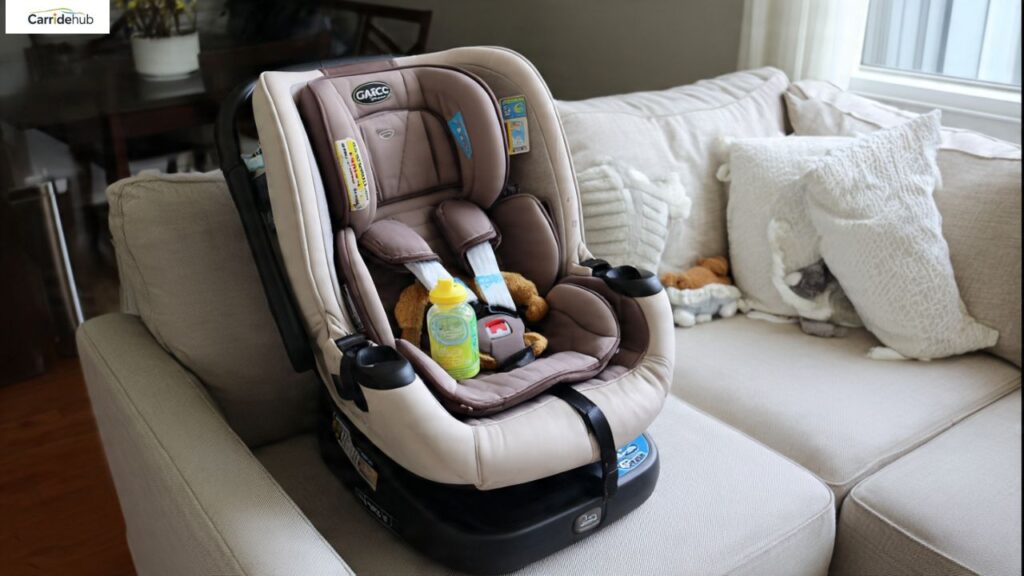
The Graco Extend2Fit allows children to rear-face up to 50 pounds, one of the highest limits available for a convertible car seat. It provides extra legroom with an additional five inches of extension, giving toddlers more comfort without compromising safety.
This seat includes adjustable harnesses and multiple recline positions to accommodate growing children. Side-impact protection and energy-absorbing foam further enhance crash safety, making it a reliable choice for families seeking extended rear-facing options.
Installation is flexible, with both LATCH and seatbelt options, and the seat is easy to adjust as the child grows. The Graco Extend2Fit combines durability, comfort, and long-term safety, allowing parents to maximize rear-facing use.
👉🏻Discover More About Unique Information[ Best Car Seats for 4 Year Olds in 2025 ]
Frequently Asked Questions
What is the highest rear-facing weight limit among these car seats?
Several seats, like Graco Extend2Fit and Britax One4Life, support rear-facing up to 50 lbs, keeping toddlers safer longer.
How do height limits affect rear-facing car seat safety?
Exceeding the height limit can reduce protection. Most seats fit children up to 49–53 inches, ensuring proper harness and head support.
Which car seats offer both rear-facing and forward-facing options?
Convertible and all-in-one seats, like Peg Perego Primo Viaggio and Diono Radian 3RXT, allow rear-facing first, then forward-facing and booster stages.
What is the price range of high rear-facing weight limit car seats?
Budget models like Diono Radian 3R start around $220, while premium seats like Nuna EXEC can cost up to $780–$990.
Do all car seats have the same installation options?
Most support LATCH and seatbelt installation, but premium models may include anti-rebound bars or SnugLock systems for extra stability.
Conclusion
Choosing a rear-facing car seat to 50 pounds ensures your child stays safe during every ride. Extended rear-facing seats provide extra protection for toddlers’ head, neck, and spine, making them a smart choice for parents. Always check weight and height limits before selecting the perfect seat.
With so many high weight limit rear-facing car seats available, parents can confidently extend rear-facing use. Prioritizing child safety and comfort helps reduce injury risks in case of accidents. Investing in the best rear-facing seat guarantees peace of mind on every journey.

Michael is a car seat specialist with 4 years of experience in reviewing, testing, and guiding people on the best car seat choices. He creates clear, reliable content to help users make safe and confident decisions.